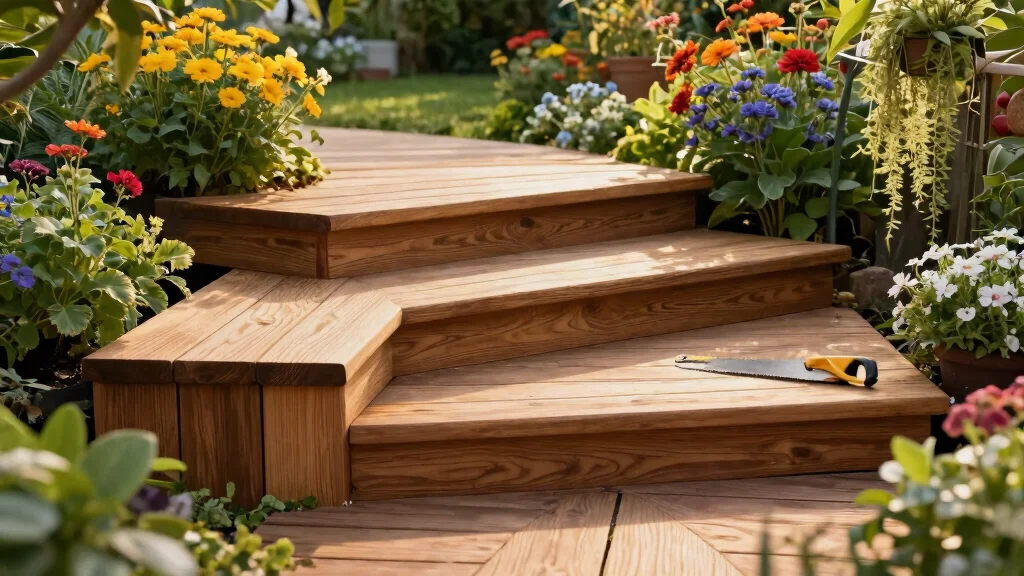
Creating a beautiful and functional outdoor space is a dream for many homeowners. With the warmer seasons approaching, I found myself craving ways to elevate my garden’s charm and safety. That’s why I put together this guide on 8 Outdoor Wood Step Designs That Make Every Level of Your Yard Feel Safe and Beautiful. If you’ve been rethinking your garden landscaping and looking for outdoor design ideas that blend safety with aesthetics, you’re in the right place.
This post is crafted for garden enthusiasts and DIY lovers eager to enhance their yards. Whether you’re a seasoned gardener or just starting out, these wood steps can transform your outdoor space. You’ll discover designs that not only elevate your yard but also ensure safety for family and friends. Plus, I’ve included tips on wood step construction that make it easy to implement these ideas yourself. You’ll walk away with various decorative garden steps that add both beauty and function to your backyard.
In this guide, we’ll explore a range of designs, from classic timber options to eco-friendly creations featuring native plants. Each idea brings its own beauty and character, ensuring your yard feels inviting and safe. Let’s dive in and find the perfect wood steps for your outdoor haven!
Key Takeaways
– Discover creative wood step designs that enhance both safety and aesthetics in your garden, such as classic timber plank steps and stacked log steps.
– Learn how to integrate tiered wooden steps with planters for a functional and decorative feature that adds greenery and charm to your space.
– Get inspired by decorative wooden steps that allow you to express your unique style while ensuring safe transitions between different levels in your yard.
– Find out how reclaimed wood can not only be eco-friendly but also add a rustic charm to your garden steps, making them both stylish and sustainable.
– Explore innovative ideas like floating wooden steps and eco-friendly designs that incorporate native plants, perfect for creating a harmonious outdoor experience.
1. Classic Timber Plank Steps
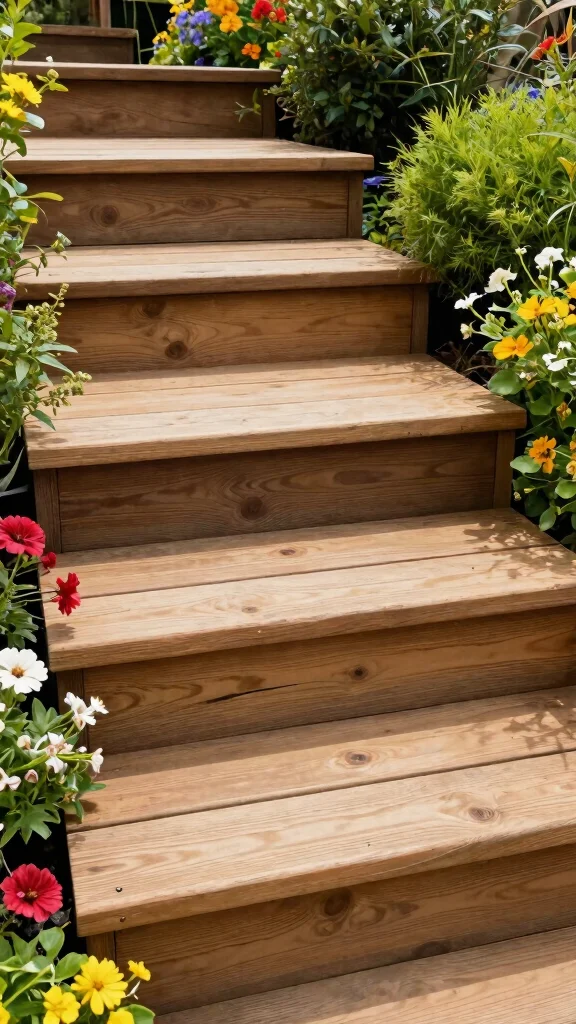
Classic timber plank steps bring a timeless charm to your garden. These steps, crafted from sustainably sourced wood, blend seamlessly with your landscape, providing a natural look. Their simple design allows for easy customization, fitting any incline or yard shape beautifully. You can have an eco-friendly solution that enhances your outdoor space without sacrificing style.
Start by selecting high-quality timber that suits your aesthetic. You can paint or stain the wood to match your garden’s theme, ensuring they complement your existing décor. This style is perfect for those seeking a rustic yet elegant touch in both modern and traditional settings.
Key design highlights:
– Create easily with straightforward construction methods.
– Customize with color options to suit your garden.
– Add a rustic touch to enhance your landscape’s appeal.
By including anti-slip treatments or textured finishes, you ensure that these steps provide safe footing, making your outdoor space as functional as it is beautiful.
Key Trade-offs & Our Top Pick
Option 1: Classic Timber Plank Steps
– Pros:
– Simple to construct, making them a great DIY project.
– Classic look that fits well with various garden styles.
– Cons:
– May require periodic sealing to protect against weather.
– Can be slippery when wet without proper treatment.
– Best for: Homeowners looking for an easy-to-build option that enhances their garden’s aesthetics.
Option 2: Stacked Log Steps
– Pros:
– Offers a rustic and natural appeal that’s eco-friendly.
– Provides good traction and stability for foot traffic.
– Cons:
– Installation can be time-consuming and labor-intensive.
– Logs may decompose over time, needing replacements.
– Best for: Gardeners wanting a unique and earthy look that blends seamlessly with nature.
Option 3: Curved Wooden Steps
– Pros:
– Adds a modern flair to your outdoor space.
– Can be customized to fit specific garden layouts and designs.
– Cons:
– More complicated to build, requiring precision in measurements.
– Typically more expensive due to the complexity of design.
– Best for: Homeowners aiming to create a stunning focal point in their garden.
Option 4: Tiered Wooden Steps with Planters
– Pros:
– Provides both function and beauty by integrating planting spaces.
– Helps with drainage and soil erosion issues in sloped yards.
– Cons:
– Maintenance for both the steps and the plants can be demanding.
– Requires planning to ensure proper water flow and plant selection.
– Best for: Gardeners looking for a multifunctional solution that enhances garden beauty and health.
Expert Recommendation:
Best Overall: Classic Timber Plank Steps
Classic Timber Plank Steps are the top choice for most homeowners. They are affordable and relatively simple to construct. You can achieve a beautiful look that complements various outdoor themes. With proper care, these steps can last for years, making them a practical choice for your garden.
Why We Picked This:
If you prefer a simple and straightforward approach, the Classic Timber Plank Steps are perfect. However, if you want an eco-friendly option, consider the Stacked Log Steps. For those aiming for a modern design, Curved Wooden Steps may be your go-to. Choose the option that best fits your garden’s style and your personal needs!
Classic Timber Plank Steps
Editor’s Choice

StrongTek Bamboo Two Step Stool for Adults and Kids, Bed Stepstool with …


Thompson’s WaterSeal Multi-Surface Waterproofer Stain, Clear, 1 Gallon
2. Stacked Log Steps
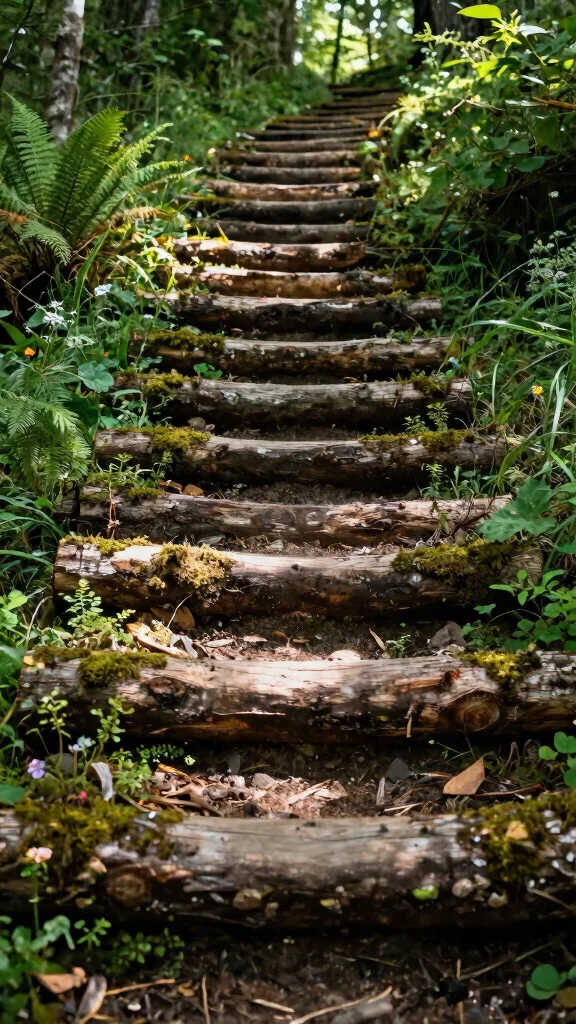
Introduce a natural feel to your garden with stacked log steps. These steps, formed by layering large logs, create a stair-like effect reminiscent of forest trails. Not only do they offer an organic aesthetic, but they also support wildlife by providing natural habitats. Stacked log steps are ideal for gardens that celebrate a rustic, wilderness vibe.
Consider the size and type of logs you use to enhance drainage and prevent water accumulation. You can choose to leave the logs rough for a rustic appearance or sand them for a smoother finish. This design encourages biodiversity, as the logs can host fungi and insects that enrich your garden.
Benefits of stacked log steps:
– Enhance drainage to keep your garden dry.
– Customize finish for a personal touch.
– Foster biodiversity with natural materials.
Use untreated wood to maintain your garden’s eco-friendly approach, allowing your steps to break down gracefully over time.
Stacked Log Steps
Editor’s Choice

Thompson’s WaterSeal Clear Wood Sealer, Clear, 1 Gallon
3. Curved Wooden Steps
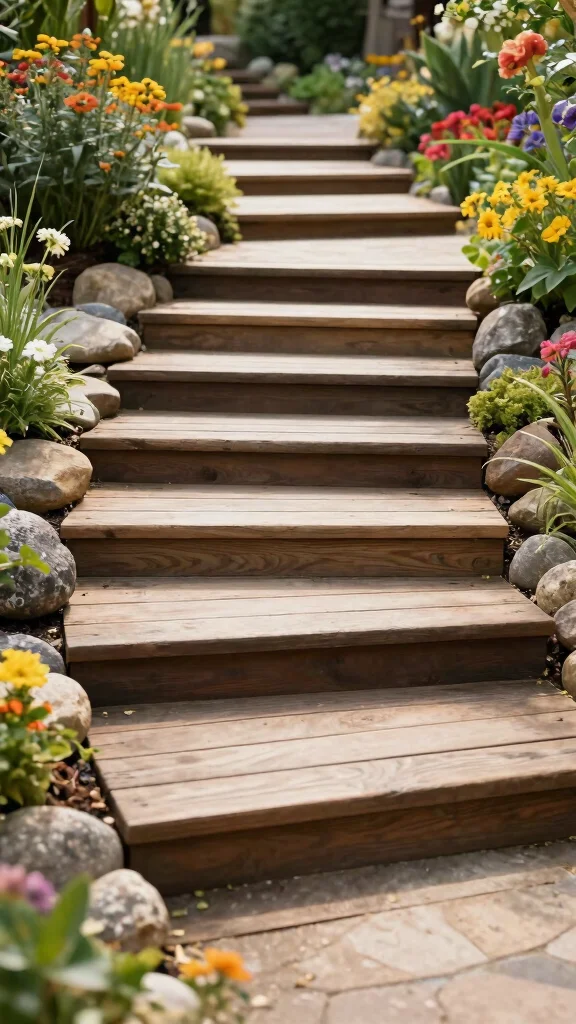
Curved wooden steps can add an artistic touch to your landscape design. These steps create a gentle, flowing path that invites exploration while softening the overall aesthetic of your garden. The curve not only enhances visual interest but also allows for flexible landscaping options.
When designing, consider how these steps can connect different garden areas without harsh angles. You can combine them with decorative elements like stones or gravel for a more intricate look. Integrating plantings alongside the steps will create a lush, vibrant effect that enhances the beauty of your space.
Key features of curved wooden steps:
– Smooth transitions between various garden areas.
– Combine with stones for added texture.
– Integrate plantings for a richer appearance.
If you want a seamless look, consider hiring a professional for the construction, as curved steps can be more complex to build.
Curved Wooden Steps
Editor’s Choice

Spoontiques – Garden Décor – Scatter Kindness Stepping Stone – Decorati…

Roxil Wood Sealer Liquid (1 Gallon Clear) – 10 Year Waterproof Outdoor W…

TINAMO 25″ Long Step Stool for Adult & Kid – Acacia Wood Two Step Stool …
4. Tiered Wooden Steps with Planters
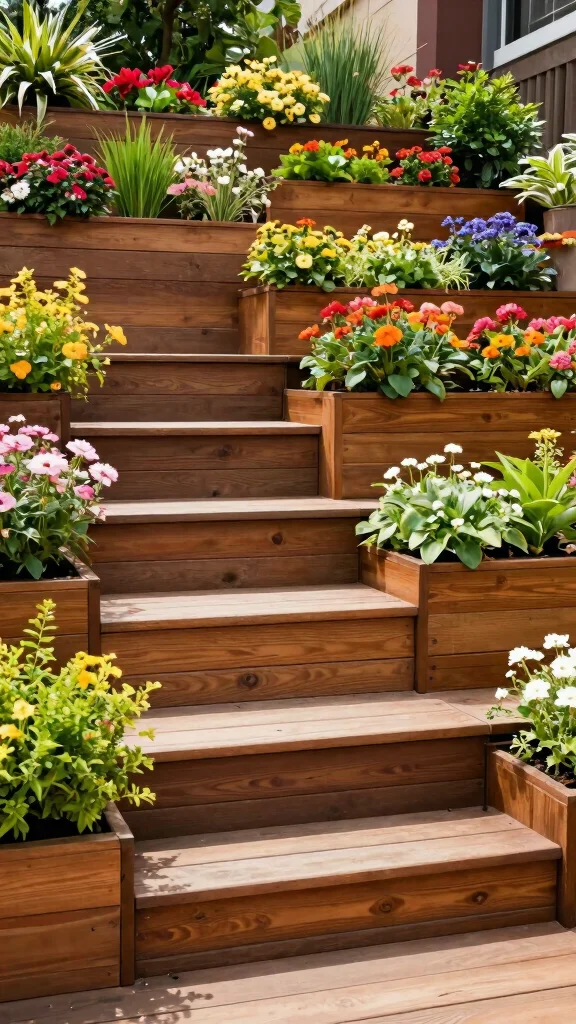
Elevate your garden’s design with tiered wooden steps that include built-in planters. This innovative approach maximizes space and creates a stunning visual impact. Each level can showcase various plants or flowers, infusing color and life into your steps.
Ensure that the wood used can withstand moisture, as it will support live plants. You can also create proper drainage to keep your plants healthy and thriving. This design not only increases planting space but also provides stability and safety, with each tier acting as a natural landing area.
Advantages of tiered wooden steps:
– Expand planting options in smaller yards.
– Create visual interest with varying plant heights.
– Enhance safety with stable tiers.
This design transforms your garden into a multi-level sanctuary, making it both functional and beautiful.
Tiered wooden steps with planters turn a flat yard into a living staircase—functional, beautiful, and endlessly doable. Add built-in planters, ensure moisture-ready wood, and proper drainage, and you’ve got extra planting space and safer outdoor wood steps.
You might also like
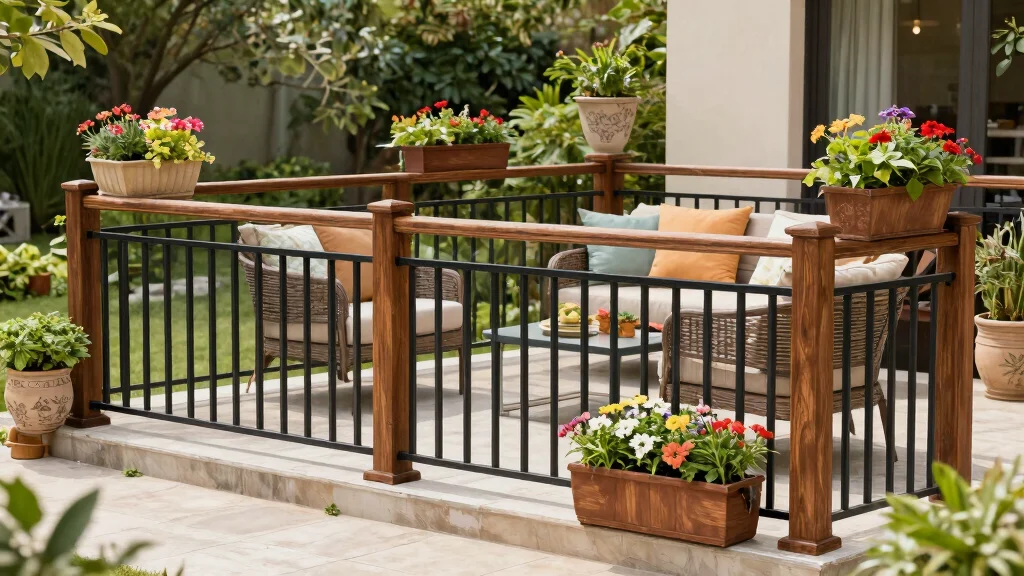

Tiered Wooden Steps with Planters
Editor’s Choice

LOCONHA Window Box Planter, Plastic Vegetable Flower Planters Boxes 17 I…

Traditional Hard Wax Oil – Durable Satin Finish with Mineral Oil, Hard W…

63*83IN Raised Garden Bed Liner, 2pcs Non Woven Fabric for Large Veg Tro…
5. Decorative Wooden Steps
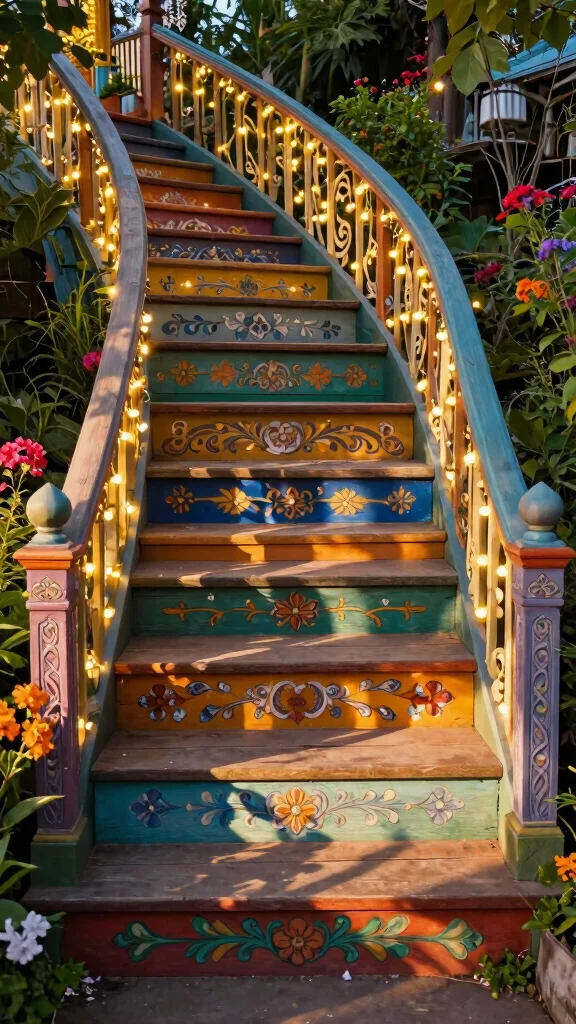
Add a whimsical touch to your garden with decorative wooden steps. These steps can feature intricate carvings or vibrant painted patterns, turning them into a focal point of your outdoor space. From floral motifs to geometric designs, decorative steps can personalize your landscaping beautifully.
Use stencils to paint unique designs, adding a playful element to your garden. Consider mixing different wood types for a creative, mixed-material effect. To enhance the nighttime ambiance, think about adding fairy lights or lanterns, creating a magical atmosphere after sunset.
Creative ideas for decorative wooden steps:
– Apply stencils for fun designs.
– Mix wood types for visual diversity.
– Install lights for enchanting evening views.
Make sure that all decorative elements are durable enough for outdoor conditions, ensuring they last for years to come.
Did you know wood steps outdoor decor can boost curb appeal by up to 40%? Use stencils for floral or geometric designs, mix wood types, and add nighttime lighting to turn a path into a charming focal point.
Decorative Wooden Steps
Editor’s Choice

Stencils for Painting on Wood, Reusable Flower Stencils Painting Crafts …
Roxil Wood Sealer Liquid (1 Gallon Clear) – 10 Year Waterproof Outdoor W…
6. Reclaimed Wood Steps
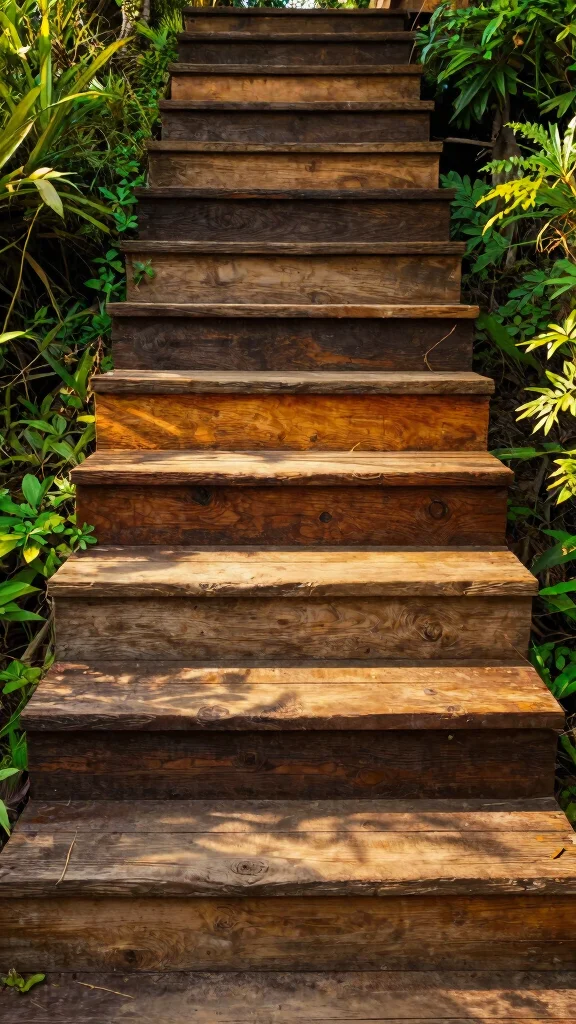
Opt for reclaimed wood steps to embrace sustainability while adding unique charm to your garden. Using salvaged wood reduces waste and introduces weathered textures that tell a story. Each piece showcases its own character, making your steps a conversation starter.
When choosing reclaimed wood, look for pieces that are sturdy and free from harmful chemicals. Each step will have its unique color and grain, adding to the overall aesthetic appeal. This choice often results in stronger and more durable steps due to the aging process of the wood.
Benefits of using reclaimed wood:
– Decrease demand for new lumber, minimizing environmental impact.
– Enjoy unique colors and grains for added charm.
– Benefit from enhanced durability over new wood.
Properly treating reclaimed wood ensures it is safe for outdoor use, maintaining both your garden’s beauty and sustainability.
📹 Related Video: Rustic Reclaimed Staircase for a Barndominium – The Recreational Woodworker – Dailey Woodworks
Reclaimed Wood Steps
Editor’s Choice

Wolman 1904A WOODLIFE CopperCoat Green Wood Preservative, Quart

AMBIRD Wooden Step Stool, Two Step Stools Toddler 300 lbs Capacity with …
7. Floating Wooden Steps
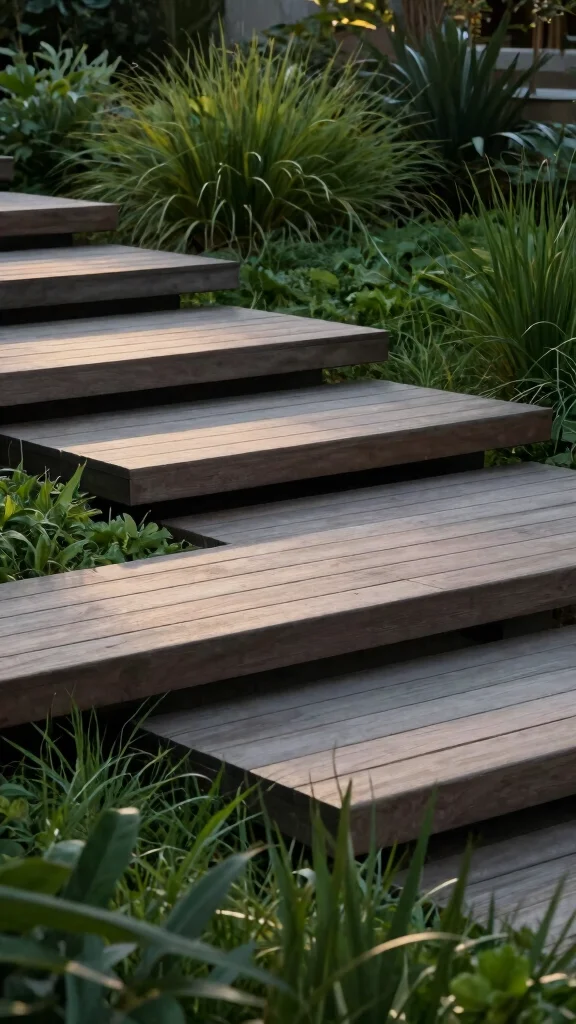
Consider floating wooden steps for a modern and sleek garden design. These steps appear to hover above the ground, creating an airy feel that enhances your outdoor space. Floating steps lend a contemporary look, making them ideal for minimalist gardens or entertainment areas.
Pair floating steps with glass or metal railings for an ultra-modern finish. This design creates the illusion of a larger space, allowing for showcasing landscaping below the steps. While they look stunning, building floating steps can be challenging, so you might need professional assistance for installation.
Design elements of floating wooden steps:
– Combine with glass for a sleek look.
– Create an illusion of more space.
– Showcase landscaping beneath steps.
These steps not only elevate your garden’s aesthetic but also provide a unique visual experience.
Floating Wooden Steps
Editor’s Choice

DIY Floating Stair Riser Brackets,Bolt Type Modern Floating Steps Vert…

4ft-8ft Complete Set 36″ Cable Railing System 33° Drilled with Cuttable…
8. Eco-Friendly Steps with Native Plants
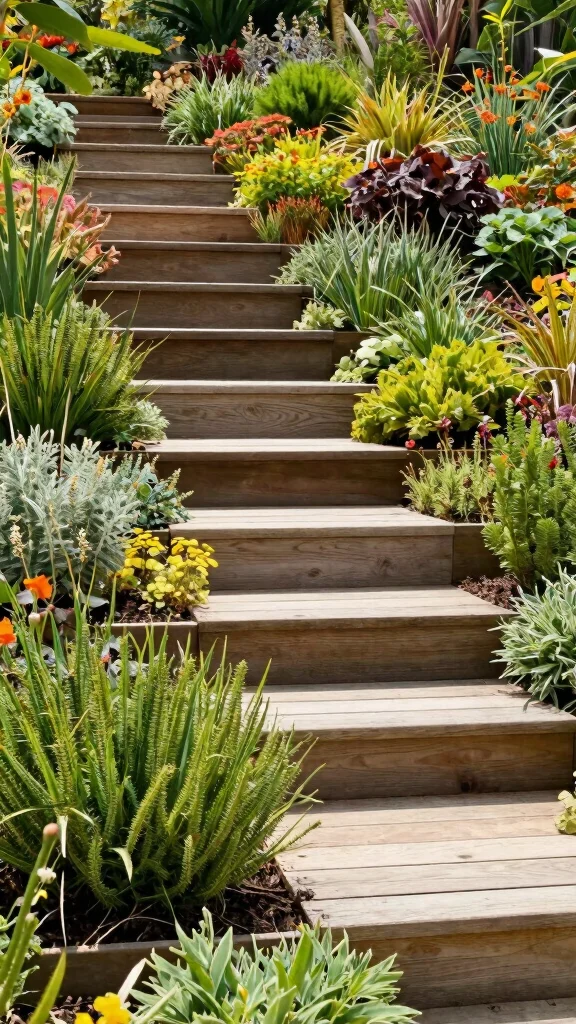
Merge functionality with environmental responsibility by creating eco-friendly steps that incorporate native plants. This design not only provides safe walking paths but also supports local biodiversity through the introduction of native flora. The steps can be structured to hold soil and planting areas, seamlessly blending form and function.
Choose plants that thrive in your local environment, as they usually require less maintenance. By opting for drought-tolerant varieties, you ensure sustainability while also reducing upkeep. This design creates visually stunning steps that change beautifully with the seasons.
Advantages of eco-friendly steps:
– Support local wildlife and ecosystems.
– Minimize maintenance with native plants.
– Enjoy seasonal changes in appearance.
These steps not only enhance safety but also contribute positively to your garden’s ecological balance.
Fun fact: Native plants can cut outdoor water use by up to 50% when used with wood steps outdoor designs. Pair drought-tolerant species with soil pockets to create safe, biodiverse paths that’s both practical and beautiful.
Eco-Friendly Steps with Native Plants
Editor’s Choice

Jute Erosion Control, Soil Saver Mesh Blanket – 48″ Wide x 20 Yards (60 …

Wildflower Seeds Bulk Mix – 10,000+ Perennial & Annual Seeds – Texas, Ca…
Conclusion
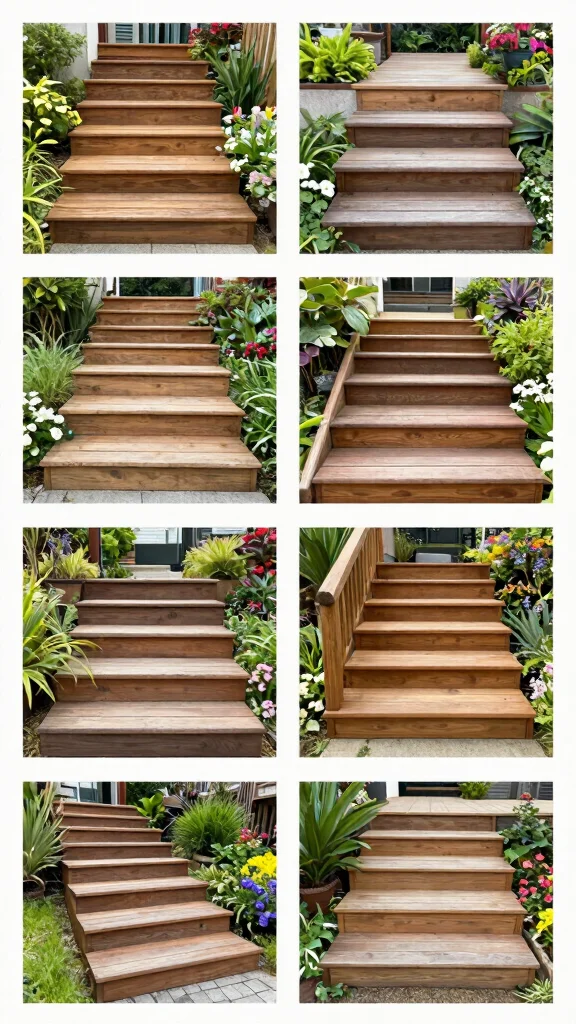
Wood steps can transform your garden into a stunning and functional space, enhancing its beauty while ensuring safety. With these eight outdoor wood step designs, you can create a welcoming environment that reflects your style and values. Whether you lean towards classic, modern, or eco-friendly designs, there’s a perfect solution for every garden. Explore these ideas and let your creativity blossom!
Note: We aim to provide accurate product links, but some may occasionally expire or become unavailable. If this happens, please search directly on Amazon for the product or a suitable alternative.
This post contains Amazon affiliate links, meaning we may earn a small commission if you purchase through our links, at no extra cost to you.
Frequently Asked Questions
What are some durable and decorative wood steps outdoor designs to improve safety and curb appeal across different yard levels?
Durable wood steps outdoor designs start with your terrain and style. For practical level changes, try a straight run with wide, shallow steps or a gentle curved sequence that follows garden beds. Floating steps anchored with brackets create a modern look with minimal soil disruption. For a cottage vibe, wide, chunky steps with built-in side planters add decorative garden steps flair. When you want eco-friendly options, select FSC-certified woods like cedar or redwood, or use durable engineered wood finished with a low-VOC sealant. Ensure proper drainage and lighting, and add a sturdy handrail if you have more than two steps. These are great outdoor design ideas for safer, more beautiful transitions between yard levels.
How can I ensure backyard safety features when building wood step construction on uneven terrain?
Safety first with wood step construction on uneven terrain. Start by mapping the slope and planning rises and runs that fit comfortable dimensions (a common guideline is about 7 inches in rise and 11 inches in run). Use non-slip treads or add textured inserts to every step. Install sturdy handrails on at least one side, and consider dual rails for wider stairs. Ensure proper drainage to prevent water pooling and wood rot, with a slight slope away from structures and gravel or built-in drainage. Use weatherproof, corrosion-resistant hardware and rot-resistant woods (eco-friendly options like cedar or redwood). Regularly inspect for loose boards and screws, and address wobbly steps promptly. These backyard safety features keep your garden byways secure and inviting.
What materials and finishes are best for eco-friendly wood steps outdoor that withstand weather?
Materials and finishes for eco-friendly wood steps outdoor should balance sustainability and durability. Choose woods that are responsibly sourced, like FSC-certified cedar, redwood, or durable engineered woods, or consider composites designed for outdoor use. For finishes, pick low-VOC, water-based sealants or stains that provide UV protection and water resistance without harmful fumes. Re-seal every 1–3 years depending on climate, and re-sand rough spots to maintain a non-slip surface. If weather or budget is tight, combine a wooden frame with stone or gravel treads to reduce ongoing maintenance while keeping an eco-conscious aesthetic. This approach keeps your wood steps outdoor beautiful and long-lasting.
How can I integrate decorative garden steps into garden landscaping without looking out of place?
Integrating decorative garden steps into garden landscaping means thinking about color, scale, and planting. Match the wood finish to nearby fencing or furniture so the steps feel intentional. Keep step widths proportional to the path and space, using wider treads for longer flights. Add edging and lighting to guide the eye and provide night safety. Plant hardy groundcovers, grasses, or small perennials along the sides to soften edges and create a cohesive look with garden landscaping. Consider modular designs that let you swap components as plants grow, and use planters or trellises that echo the step materials to unify the space with outdoor design ideas.
What maintenance tips will prolong outdoor wood steps and keep them looking new?
Maintenance tips to prolong outdoor wood steps include regular cleaning to remove dirt and mold, quick inspections for loose boards or wobbling stringers, and timely sealing. Clean with a mild soap solution and a soft brush, then rinse and dry thoroughly. Reapply a UV-blocking, low-VOC sealant every 1–3 years, more often in harsh sun or wet climates. Check for rot at the joists and posts and replace as needed. Use non-slip strips or re-sand rough surfaces to preserve traction in wet weather. Clear debris and ensure proper drainage to avoid standing water. With these simple habits, your wood steps outdoor stay safe, durable, and beautiful as part of your decorative garden steps and garden landscaping.
Related Topics
wood steps outdoor
garden landscaping
eco-friendly design
backyard safety features
DIY garden steps
decorative wood steps
easy installation
outdoor design ideas
natural materials
level yard solutions
landscape architecture
sustainable gardening