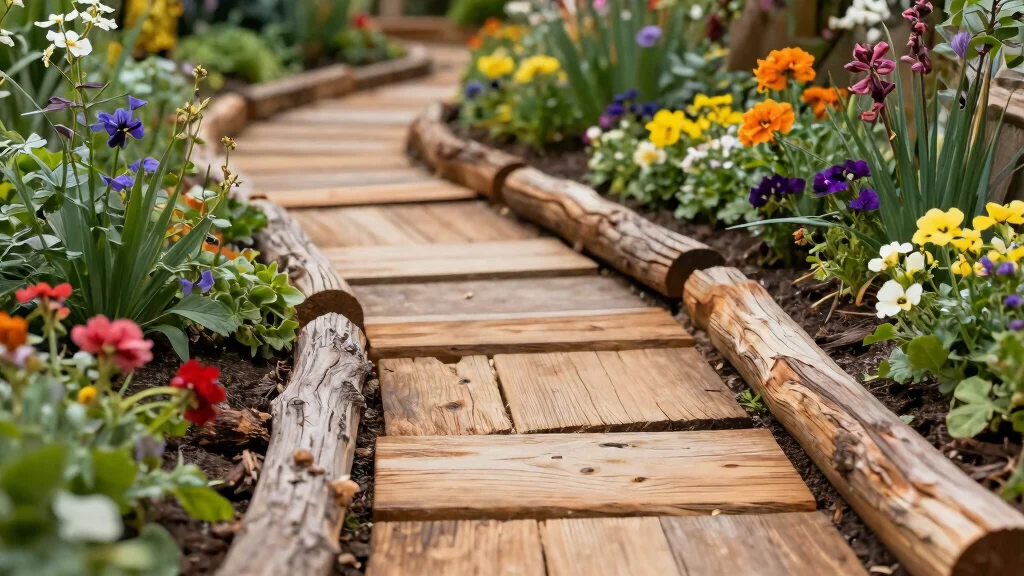
Creating a garden that radiates warmth and charm can feel a bit overwhelming, especially when it comes to defining spaces and adding natural elements. That’s why I put together this post about wood edging landscape ideas. I wanted to share creative ways to use rustic wood to frame your paths and garden beds, adding that cozy cottage vibe we all adore. If you find yourself dreaming of a backyard oasis—a spot where nature meets creativity—then you’re in the right place.
This guide is perfect for garden enthusiasts who appreciate the beauty of natural materials. Whether you’re an experienced gardener or just starting your journey, you’ll discover easy-to-implement ideas that will elevate your outdoor space. From reclaimed wood to charming log borders, these suggestions will help you create inviting edges that not only define your garden beds but also enhance your overall landscape design.
Get ready to explore seven inspiring wood edging landscape concepts that are not only practical but also infused with rustic charm. By the end of this post, you’ll have a toolbox full of design ideas and practical tips to frame your paths and flower beds beautifully.
Key Takeaways
– Discover how rustic log edging can make a bold statement while blending seamlessly with your garden’s natural aesthetic.
– Learn how timber planks create clean lines and add a touch of style that suits various garden themes.
– Understand the benefits of bark mulch borders for a soft, organic look that complements your plants beautifully.
– Explore how rustic fencing can do double duty as both a border and an attractive feature in your yard.
– Find out how reclaimed wood edging promotes sustainability while adding unique character to your outdoor decor.
Recommended Products
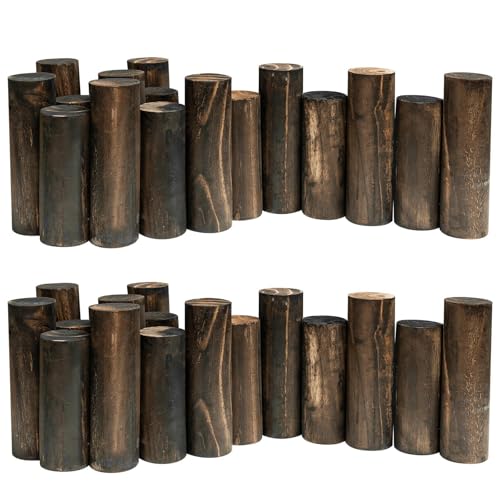
Great Value: These nice edging for landscaping are made from whole logs, while most others are assembled from planks or halved wood. It can be used for a longer time without the need for annual replacement.
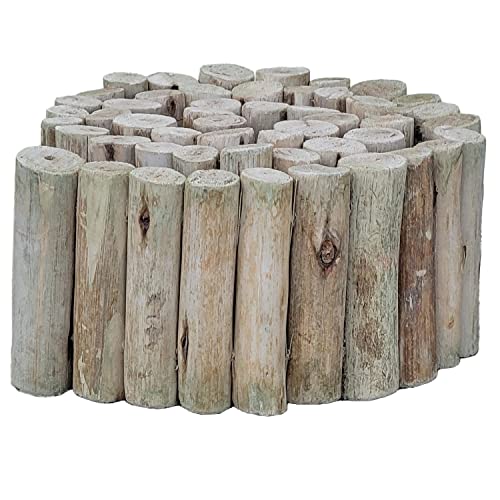
DECORATIVE GARDEN BORDERS: Create a beautiful floral display in your garden and enhance your landscape curb appeal with Eucalyptus wood flower bed borders

Dimensions: 6.5/5 in. H x 47 in. L, Diameter per log: 1.7 in., Weight: 8 lb.
1. Rustic Log Edging for a Bold Statement
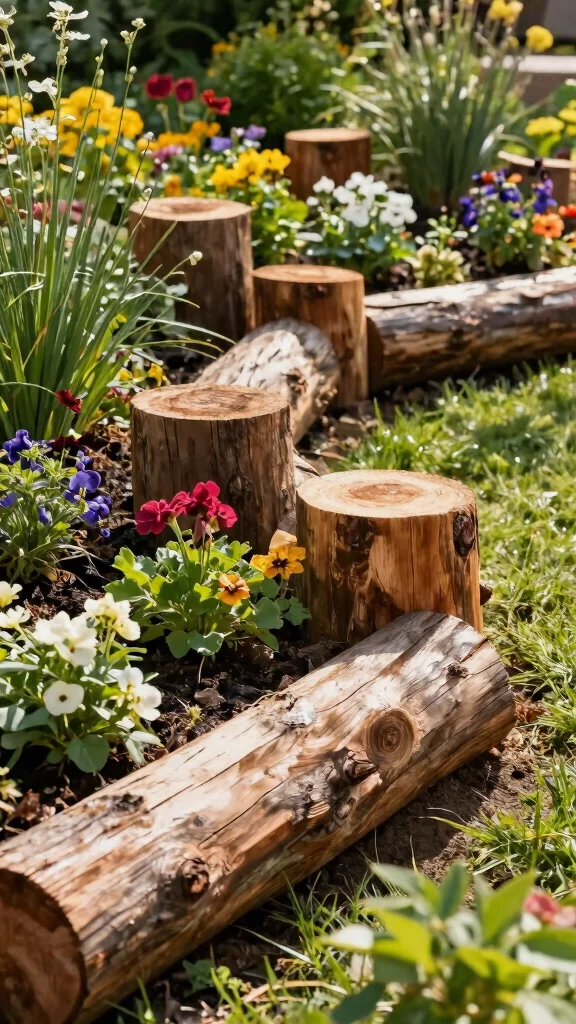
If you’re looking to make a striking impression in your garden, log edging is the perfect choice. Utilizing whole logs or split halves can frame your flower beds and pathways, bringing a warm, earthy vibe to your outdoor space. This natural material harmonizes beautifully with vibrant perennials and lush grasses, adding a rugged charm that stands out. It’s an ideal option for those wanting an authentic, rustic look in their landscaping. To get started, consider the size and orientation of the logs for a visual impact. You can mix and match heights to create dynamic borders that suit your style. Additionally, pairing log edging with other natural elements, like stones or bark mulch, can enhance the depth and interest of your landscape. Key benefits of using log edging:
– Achieve a sturdy and long-lasting barrier
– Create visual interest with varied heights
– Support local wildlife by providing natural habitats With log edging, your garden gains a unique touch that invites nature in while making a bold statement.
Recommended Products

Create your own unique designs with flexible wooden lawn edging that beautifully accents your flower beds, garden beds, landscape, lawn boarders and walk ways.
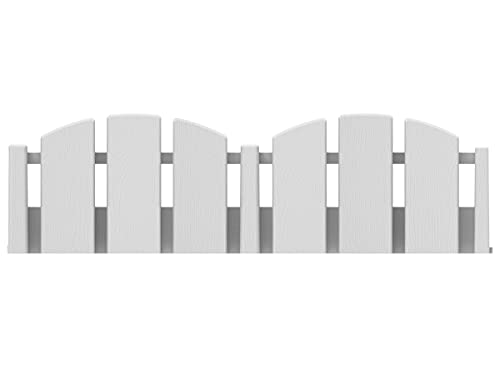
EASYFLEX DECORATIVE NO-DIG LANDSCAPE EDGING: Get a beautifully landscaped yard without all the work of a dig-in lawn edging; simple installation without trenches or shovels
Rustic Log Edging for a Bold Statement
Editor’s Choice
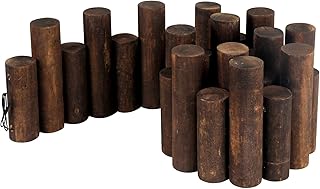
Worth Garden Log Rolls Edging – Wooden Short Fence Border – 6.5 in. H x …


Colwelt Saw-Tooth Edger Lawn Tool, Half Moon Lawn Edger with T-Grip, Sid…
2. Timber Planks for Clean Lines and Style
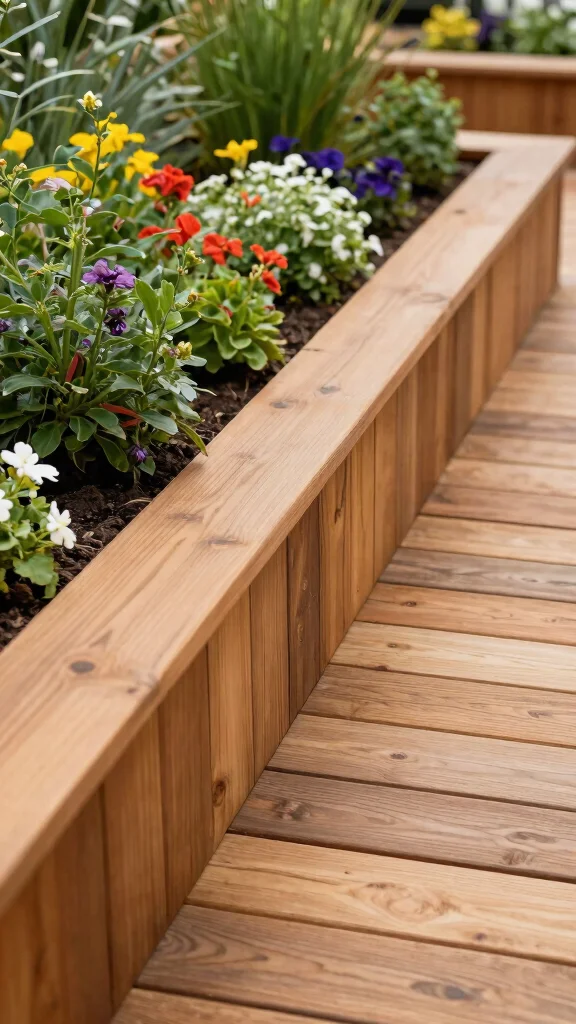
For a more polished look, timber planks are a fantastic choice. These straight pieces can be arranged in sleek lines, guiding the eye through your landscape effortlessly. Perfect for modern minimalist gardens or vegetable patches, timber offers both beauty and function. It’s a reliable option that brings a structured charm to any garden design. Consider placing the planks either horizontally or vertically to create a distinctive layout. You can also choose untreated wood for a rustic vibe or treated options for added durability. Pairing timber with gravel or pebbles can enhance texture and contrast, making your garden even more inviting. Explore these timber plank advantages:
– Introduce clean lines for a modern aesthetic
– Enjoy easy maintenance and flexibility in design
– Create visual contrast with textured materials Incorporating timber planks into your garden not only elevates its style but also creates a lasting impression.
Recommended Products
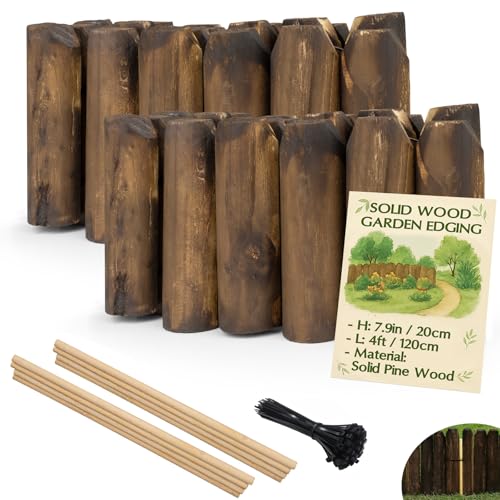
Optional Quantity & Size: There are different quantities, you can choose one or more as your needs more economically. A beautiful rustic style fence that can decorate your garden, available for your garden edging timber needs.

Durable & Flexible Material GTSABWAY garden edging is crafted from premium galvanized steel, ensuring superior durability and flexibility. Easily shape it into straight lines,curves, circles, or unique contours ,without cracking,Can withstand all kinds of weather conditions, ensuring long-term durability and reliability. providing reliable Garden Border solutions.

Durable Metal Construction: SnugNiture garden edging is made of high-quality metal materials. It is strong and durable, capable of withstanding outdoor sunlight, rain, and snow. Thus, it has a long service life.
Timber Planks for Clean Lines and Style
Editor’s Choice

SEAL-ONCE MARINE – 1 Gallon Penetrating Wood Sealer, Waterproofer & Stai…

Wood Garden Edging, Wooden Fence Border Decorative Small Picket Panels f…
Colwelt Saw-Tooth Edger Lawn Tool, Half Moon Lawn Edger with T-Grip, Sid…
3. Bark Mulch Borders for a Natural Touch
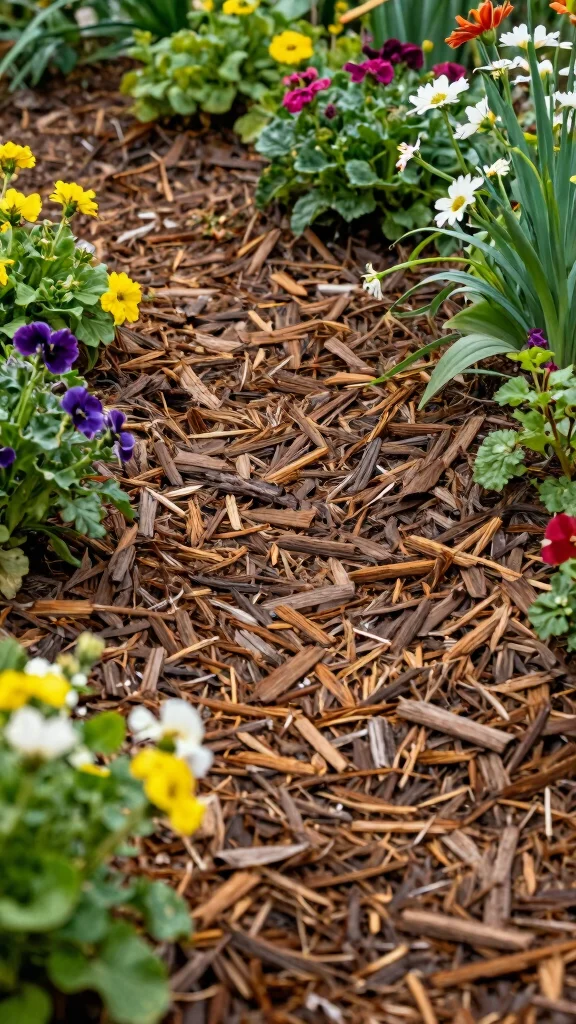
Add a touch of nature to your garden with bark mulch borders. This option not only defines your spaces but also enriches the soil, helping to retain moisture and suppress weeds effectively. It’s an excellent choice for eco-conscious gardeners looking to blend aesthetics with functionality. The earthy tones of bark mulch seamlessly integrate with your plants, enhancing their beauty. To achieve the best results, use recycled bark to minimize waste and support sustainability. Mixing different types of bark or layering it with stones can add even more texture to your garden. The soft transition it creates between plants gives a gentle, organic feel to your landscaping. Benefits of bark mulch borders include:
– Promote an eco-friendly approach
– Create a soft texture for a natural transition
– Enhance aesthetics with earthy tones By choosing bark mulch, you not only beautify your garden but also support its health and sustainability.
Fun fact: Bark mulch borders can reduce weed growth by up to 70% and improve soil moisture retention by 15–20% in a wood edging landscape. Recycled bark blends naturally with cottage-style plants, creating a low-maintenance, eco-friendly border you can install this weekend.
Recommended Products
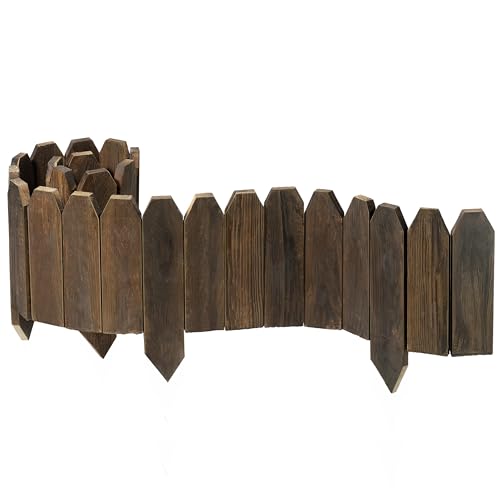
Charred for Durability:Our wooden edging is treated with high-temperature carbonization to resist moisture, rot, and cracking—perfect for withstanding changing seasons in any outdoor space.

SHIPMENT CONTAINS: One 5 inch x 40 foot brown flexible landscape edging coil with 10 matching stakes for securing garden borders
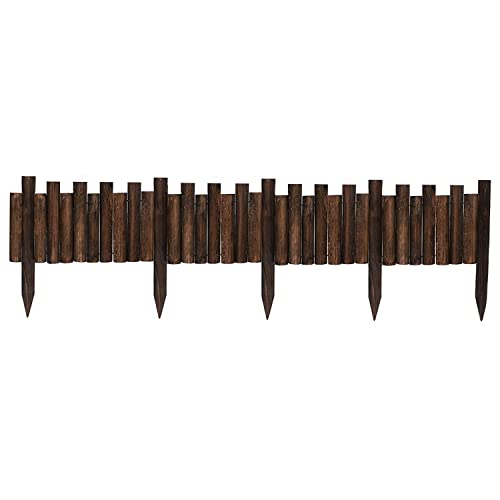
About the Edging: 8 inch height above ground, stakes Height 4 inch, 3.6 Feet total Length; Made from sturdy wood with a carbonized finish, this short fence is durable and long-lasting, standing up to outdoor elements.
Bark Mulch Borders for a Natural Touch
Editor’s Choice

Back to the Roots 25.7qt (1 Cubic ft) Organic Premium Mulch
4. Rustic Fencing as Edging
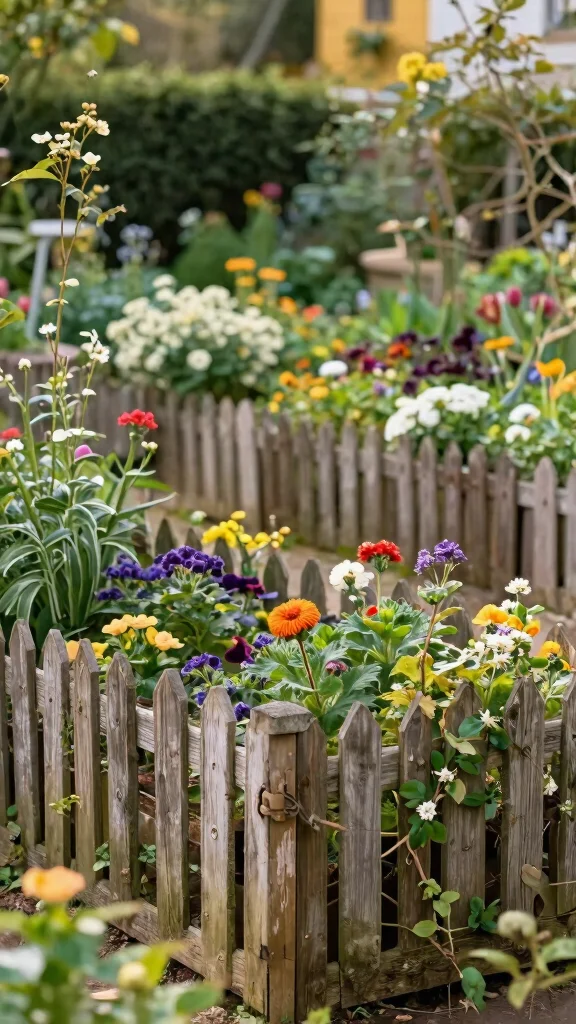
Transform your garden with rustic fencing as an eye-catching edging solution. Weathered wooden fences or charming pickets can provide a clear boundary while adding visual appeal to your outdoor space. These elements infuse a cottage-like atmosphere, perfect for creating inviting and magical areas in your garden. When selecting fencing, consider different styles like split-rail or bamboo to match your garden’s character. This fencing also serves a dual purpose, offering support for climbing plants while defining your garden’s borders. Mixing various heights can create a dynamic landscape that draws the eye. Explore the advantages of rustic fencing:
– Establish a clear garden boundary
– Choose from varied styles for personalized appeal
– Utilize as a support for climbing plants Using rustic fencing enriches your garden’s look while adding practical benefits that enhance its charm.
Did you know rustic fencing can boost curb appeal by up to 30%? As a practical wood edging landscape, weathered fences define paths and beds with cottage charm, while split-rail or picket styles are easy to install on weekends.
Recommended Products

Charred for Durability:Our wooden edging is treated with high-temperature carbonization to resist moisture, rot, and cracking—perfect for withstanding changing seasons in any outdoor space.

Natural Wooden Garden Border Design: This wooden garden border features a unique burnt wood finish that adds rustic charm and warmth to your outdoor space. Perfect as decorative garden fence edging for flower beds, walkways, and landscaping accents.

[Rich Vintage Rustic Style] Transform your garden into a serene and natural retreat with our beautiful edging for landscaping. It adds a touch of rustic charm and neatly separates different areas of your garden, ensuring an organized outdoor space.
You might also like
Key Trade-offs & Our Top Pick
When choosing wood edging for your garden, it’s essential to weigh the options available. Each type brings its unique flavor to rustic landscaping and has its own set of advantages and disadvantages. Let’s break down some popular choices for wood edging landscape.
Option 1: Rustic Log Edging
– Pros:
– Creates a bold and striking visual impact.
– Excellent for defining paths and garden beds with a natural feel.
– Cons:
– Can be expensive, depending on the wood type.
– May require additional maintenance to prevent rot.
– Best for: Homeowners looking for a standout, rustic look that enhances the overall garden design.
Option 2: Timber Planks
– Pros:
– Provides clean lines for a neat appearance.
– Very versatile and can fit various garden styles.
– Cons:
– Requires regular staining or sealing to prevent weathering.
– May be prone to warping over time if not treated properly.
– Best for: Those who prefer modern aesthetics along with a rustic charm.
Option 3: Bark Mulch Borders
– Pros:
– Offers a natural touch that blends well with plants.
– Helps retain moisture in the soil.
– Cons:
– Can decompose quickly, needing replacement every few seasons.
– Might attract pests if not maintained properly.
– Best for: Gardeners looking for a low-cost, natural edging solution that supports plant health.
Option 4: Rustic Fencing as Edging
– Pros:
– Easily defines boundaries in a charming way.
– Can enhance security while providing aesthetic appeal.
– Cons:
– Installation can be labor-intensive and may require permits.
– Not as flexible for changing garden layouts.
– Best for: Homeowners who want a functional yet beautiful border that adds character and security.
Option 5: Reclaimed Wood Edging
– Pros:
– Eco-friendly choice that promotes sustainability.
– Unique textures and colors add charm to any garden.
– Cons:
– May need treatment to prevent pests and decay.
– Availability can be inconsistent, making sourcing challenging.
– Best for: Environmentally conscious gardeners who appreciate rustic aesthetics.
Expert Recommendation:
Best Overall: Rustic Log Edging
Rustic log edging stands out as a top choice for many gardeners. It offers a striking visual appeal while effectively defining paths and beds. Its longevity, combined with a natural look, makes it a great value for money. Plus, it works well in various garden settings, from cottage-style to modern landscapes.
Why We Picked This:
We chose rustic log edging for its all-around charm and durability. If you’re on a budget or looking for a less maintenance-intensive option, bark mulch borders or reclaimed wood might be more suitable. Each option has its merits, so consider your specific needs and aesthetics when selecting the right wood edging for your space.
Recommended Products
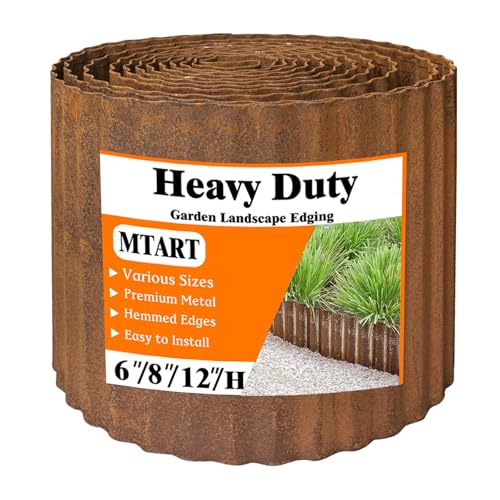
【Premium Material & Weather-Resistant】 Crafted of high-quality PRE-RUSTED Metal, the MTART Corrugated Metal Garden Edging is built to withstand harsh weather conditions, ensuring long-term durability and reliability. Its rusted patina offers an elegant, rustic charm, This patina naturally deepens in color as it ages, creating a unique finish, perfect for who love the rusted look.

2 PACK: This "30x6” landscape edging comes with metal stakes that are not installed and are packed separately. They need to be installed upon receiving the product. The edging is flexible and can easily adjust to square, rectangle, and circle shapes.
Rustic Fencing as Edging
Editor’s Choice

6ft Dog-Ear Fence Picket 5.9 inch x 0.5 inch Fir Wood Fence Boards 15-Pa…

5ft x 24ft Outdoor Fence Fence Kit with Rods and Rails Ground Nails No P…

Jollybower 6ft x 8ft x 0.4″ D Natural Bamboo Fence, Outdoor Rolled Bambo…
5. Reclaimed Wood Edging for Sustainability
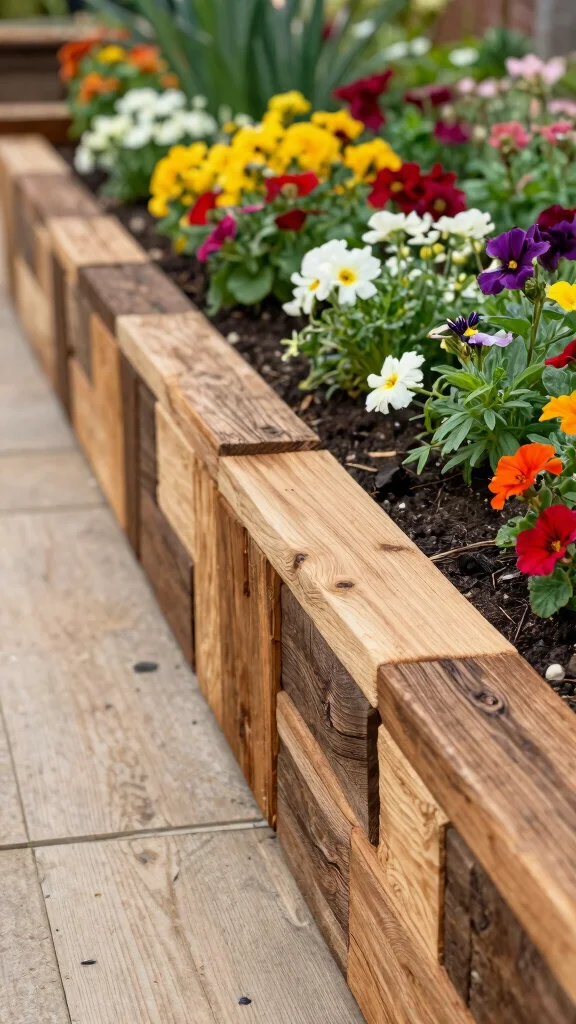
Go green with reclaimed wood for your garden borders. This sustainable choice not only preserves the environment but also brings character and a story to your landscaping. Materials like old pallets or barn wood create a unique aesthetic that new wood simply can’t match. When using reclaimed wood, try mixing different styles for a quirky and eclectic border. Consider treating the wood with natural sealants to ensure durability while maintaining its rustic charm. This approach showcases your commitment to sustainability while beautifying your outdoor space. Key features of reclaimed wood edging:
– Adds unique character to your garden
– Supports sustainable practices and waste reduction
– Allows for creative designs with various styles With reclaimed wood, your garden not only looks stunning but also embodies a meaningful commitment to the planet.
Recommended Products

Weather Resistant Materials: Our wooden garden fence is made of high-quality pine wood, which has been carbonized at high temperature, and has strong weather resistance and...
📹 Related Video: EASY Lawn Edging Installation – Garden Wood Edge Ideas
Reclaimed Wood Edging for Sustainability
Editor’s Choice
Garden Box Sealer | FDA Food Contact Safe Plant-Based Wood Sealant for R…

Wooden Garden Edging – 13.1ft x 11.8in Pine Landscape Border, Flexible W…
6. Split Rail Edging for a Classic Look
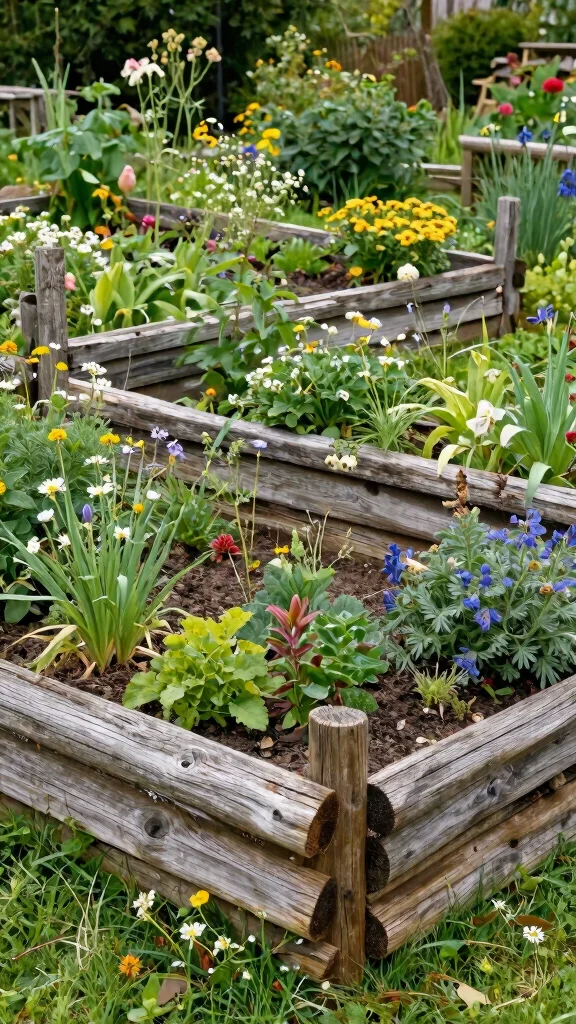
For that timeless countryside charm, split rail edging is an excellent option. This traditional style features wooden rails that create a simple yet effective boundary, seamlessly blending with the natural surroundings. It’s perfect for larger properties, providing character while clearly delineating pathways or flower beds. Consider using split rails to allow easy access and maintenance in your garden. Their open structure also supports local wildlife, creating habitats for beneficial creatures. Enhance the look with climbing plants or wildflowers for an extra touch of beauty and biodiversity. Benefits of split rail edging include:
– Evokes a timeless countryside aesthetic
– Promotes easy access for garden maintenance
– Supports wildlife habitats within your garden Incorporating split rail edging brings a classic appeal and charm to your outdoor space, enhancing both its beauty and functionality.
Recommended Products

𝐅𝐥𝐞𝐱𝐢𝐛𝐥𝐞 & 𝐄𝐚𝐬𝐲 𝐭𝐨 𝐈𝐧𝐬𝐭𝐚𝐥𝐥: Each panel measures 40" (L) × 5" (H), including 3" underground stakes for strong anchoring, leaving 2" visible above ground for a clean, low-profile border. The hammer-in design makes installation fast and effortless—perfect for creating neat, professional-looking edges without digging.

【Upgraded Landscape Edging】These edging for landscaping are made of protection PP material, stable and not easily crushed. No peeling, no corrosion and not deformed, And include 20Pcs anchoring stakes can withstand 60mph strong wind. You don't worry about your garden damaged by strong winds.And the garden edging is suitable for long-term use, creating clean lines in your garden with some landscape edging.
Split Rail Edging for a Classic Look
Editor’s Choice

CR Fence & Rail Horizontal Guard Rail Kit, 4’Wx3’H DIY Railing Balusters…
Colwelt Saw-Tooth Edger Lawn Tool, Half Moon Lawn Edger with T-Grip, Sid…
7. Wooden Crates for Unique Garden Borders
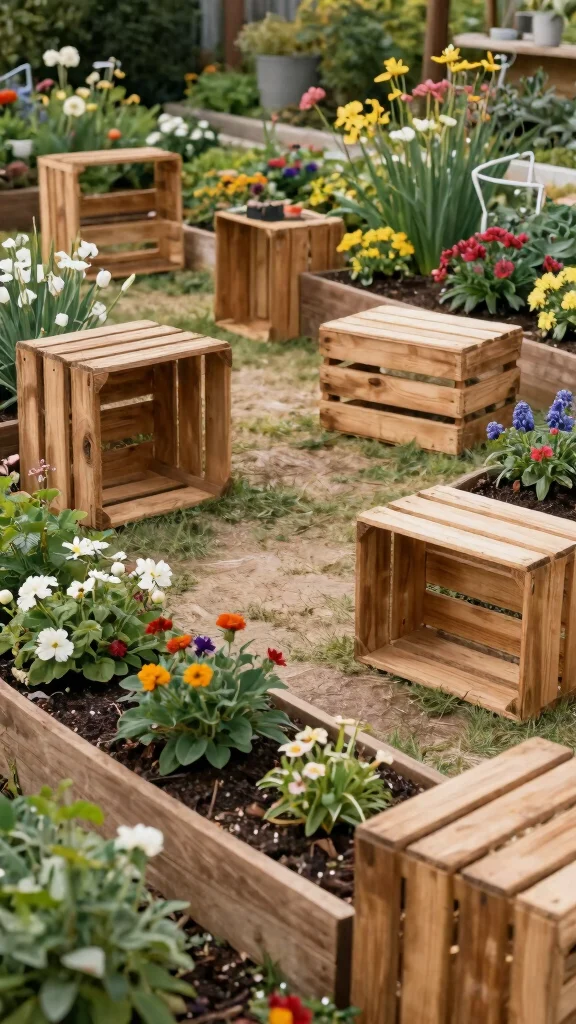
For a truly creative touch, think about using wooden crates as garden edging. This innovative choice not only provides rustic charm but also offers practical storage for tools or pots. By placing crates on their sides, you can craft a whimsical and eye-catching boundary that invites conversation. Get creative by painting the crates or leaving them natural for a more rustic vibe. Stacking or arranging them in various ways can add a playful element to your garden, making it perfect for those who love unique designs. Discover the advantages of using wooden crates:
– Create a unique garden design that stands out
– Utilize crates for functional storage
– Repurpose old crates for an eco-friendly solution Using wooden crates adds character to your garden while giving it a functional twist, making your outdoor space truly one-of-a-kind.
Wooden crates turn wood edging landscape into a practical, playful border. They add rustic charm while storing tools or pots right where you need them. Paint or stack them—it’s an easy swap that sparks conversation and simplifies garden organization.


Wooden Crates for Unique Garden Borders
Editor’s Choice
Wooden Crates for Display 6 Pack Large Rustic Nesting Wooden Basket with…
Garden Box Sealer | FDA Food Contact Safe Plant-Based Wood Sealant for R…
Conclusion
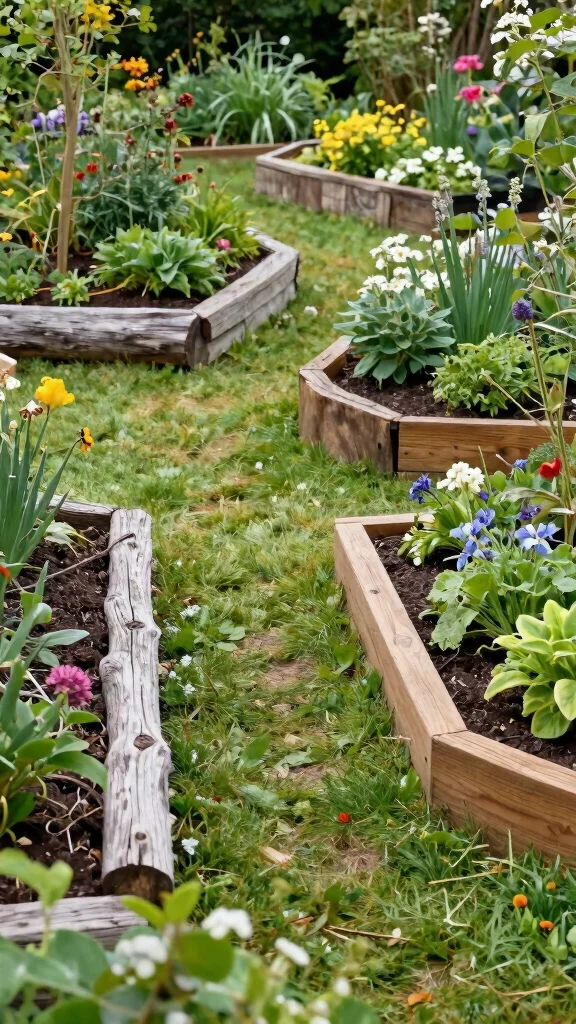
Integrating wood edging into your landscape not only enhances the aesthetic appeal but also provides practical benefits for maintaining your garden. Each of these seven ideas embodies rustic charm and showcases the versatility of wood in garden design. Whether you choose robust logs, reclaimed wood, or creative crates, your paths and flower beds can shine with natural beauty.
Consider what resonates with your personal style and the overall vibe of your garden. Happy gardening!
Note: We aim to provide accurate product links, but some may occasionally expire or become unavailable. If this happens, please search directly on Amazon for the product or a suitable alternative.
This post contains Amazon affiliate links, meaning we may earn a small commission if you purchase through our links, at no extra cost to you.
Recommended Products

Refined Carbonized Pine Wood: Crafted from premium pine, our wood landscape edging is carbonized for durability, sanded smooth, and coated for superior weather resistance. Unlike untreated wood, it won’t leave messy carbon residue on your hands.

Refined Carbonized Pine Wood: Crafted from premium pine, our wood landscape edging is carbonized for durability, sanded smooth, and coated for superior weather resistance. Unlike untreated wood, it won’t leave messy carbon residue on your hands.
Frequently Asked Questions
What are the top benefits of using wood edging landscape in a cottage-style garden?
When you use wood edging landscape, you define paths and beds with natural, rustic charm.
It creates clear garden borders, reduces turf damage, and adds warmth to cottage-style spaces. Best of all, it’s typically affordable and easy to install with basic tools.
Choose rot-resistant woods like cedar or redwood for lasting beauty, and let the wood weather over time to fit your rustic landscaping look. Regularly inspect for rot and damage, and replace sections as needed to keep the edge neat.
How do I choose the right wood edging for rustic landscaping and landscape design?
Think about wood type, durability, and how it ages. For cottage gardens, choose cedar or redwood; avoid pressure-treated wood if you prefer a natural look.
Height and thickness matter: 4-6 inches tall for typical bed borders; curved edges soften paths and enhance landscape design. Use natural materials to match rustic landscaping aesthetics. Consider sealing for color retention, or let the wood weather to a silvery patina.
What are simple installation ideas for wood edging to frame paths and beds?
Start with a plan: mark the layout with string and stakes, then dig a shallow trench to seat the edging.
Lay boards with the flat side down, trim to fit curves, and secure with landscape staples or short posts. Backfill with soil and mulch to stabilize, then brush with natural finishes if desired.
For curves, consider flexible edging or pre-cut bend sections to keep the look tidy.
How can I maintain and preserve wood edging to keep a timeless cottage look?
Keep it looking fresh by inspecting for rot, cracking, and insect damage each season.
Clean away moss and debris, then re-seal or re-stain every 2-3 years to preserve color and durability. If sections show heavy wear, replace them with matching boards. Choose rot-resistant woods and avoid direct soil contact when possible to extend life, and consider a light mulch layer to protect the base.
Can wood edging be combined with other natural materials to enhance landscape design and borders?
Absolutely. Pair wood edging with stone, gravel, brick, or brick pavers to create contrasting textures in your landscape design.
Try a layer of gravel between boards and stepping stones, or a narrow stone border to accent the garden borders. Mix in mulch and plantings to soften edges while using natural materials to keep the rustic charm intact.
Related Topics
wood edging landscape
rustic landscaping
garden borders
cottage-style gardens
natural materials
landscape design
outdoor decor
DIY gardening
beginner friendly
easy landscaping
seasonal gardening
eco-friendly design