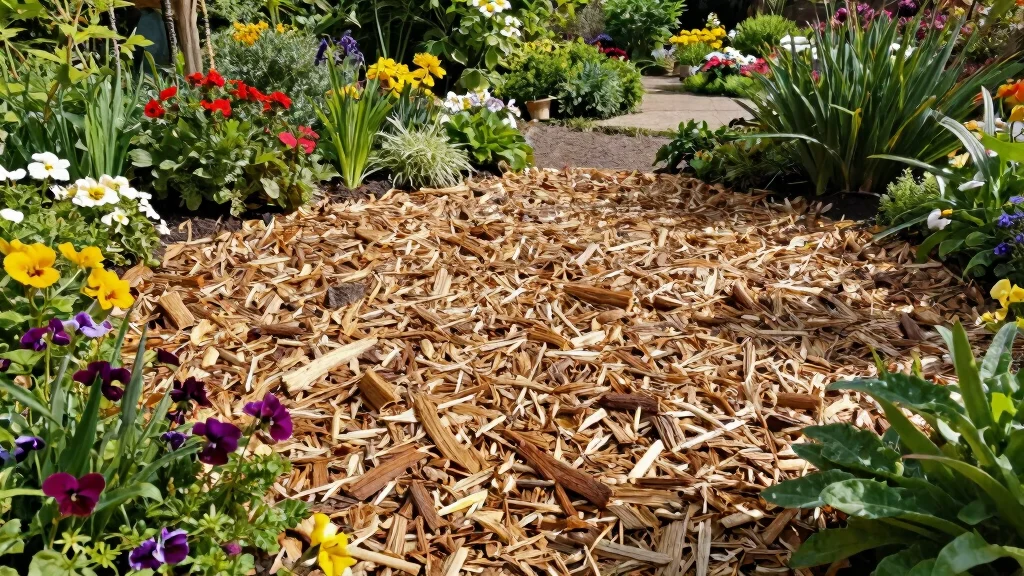
Creating a beautiful and inviting yard doesn’t have to mean hours of maintenance and high costs. I’ve been inspired to share this post because wood chips are a fantastic way to transform your outdoor space naturally. They not only add texture but also serve practical purposes like weed suppression and moisture retention. Using wood chips in your garden is an eco-friendly choice that enhances your yard’s beauty while keeping upkeep low.
If you’re someone who loves gardening, enjoys sustainable practices, or simply wants to elevate your outdoor living space, this post is for you. You’ll discover a range of wood chip landscaping ideas that can fit any garden style or budget. Whether you’re a seasoned gardener or a beginner looking for easy projects, I’ve gathered eight creative concepts that allow you to incorporate wood chips beautifully.
Get ready to explore eight wood chip landscaping ideas that are not only practical but also provide a warm, inviting feel to your yard. You’ll learn how to create stunning pathways, mulched flower beds, and even a natural play area for kids. Let’s dive in and see how you can enhance your outdoor oasis with these low-maintenance, decorative wood chip arrangements.
Key Takeaways
– Create Beautiful Pathways: Use wood chips to establish charming walkways that define your garden layout while being easy to walk on and maintain.
– Mulch for Flower Beds: Enhance your flower beds by using wood chips as mulch to retain moisture and suppress weeds, keeping your plants healthy.
– Define Edging with Wood Chips: Install wood chip borders around garden beds or pathways to create clear boundaries and add a natural texture.
– Create a Natural Play Area: Set up a safe and soft area for children to play using wood chips, making it an inviting spot for fun and creativity.
– Sustainable Landscaping with Wood Chips: Choose wood chips as an eco-friendly alternative for your garden, reducing waste while improving soil health and aesthetics.
1. Create Beautiful Pathways
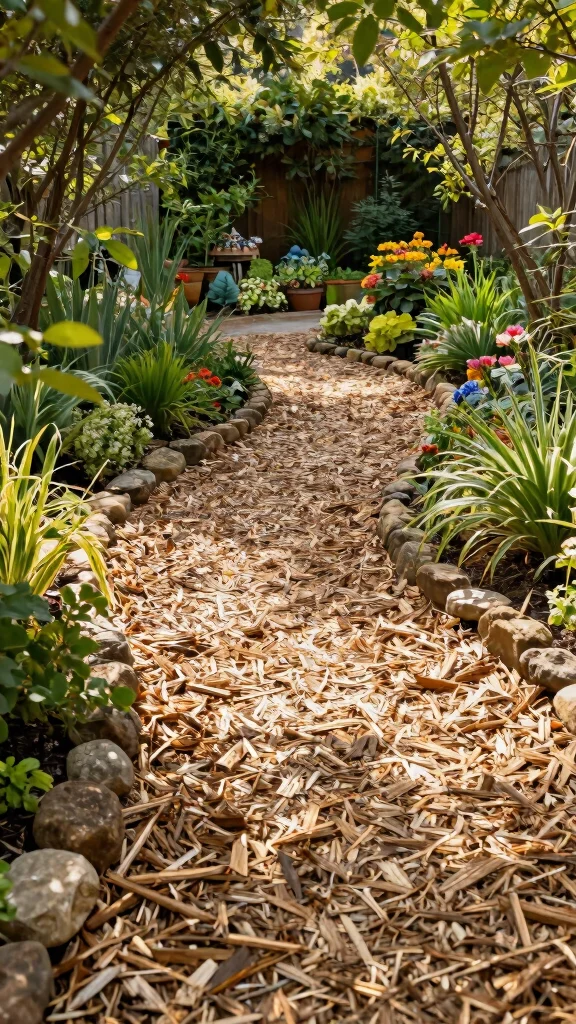
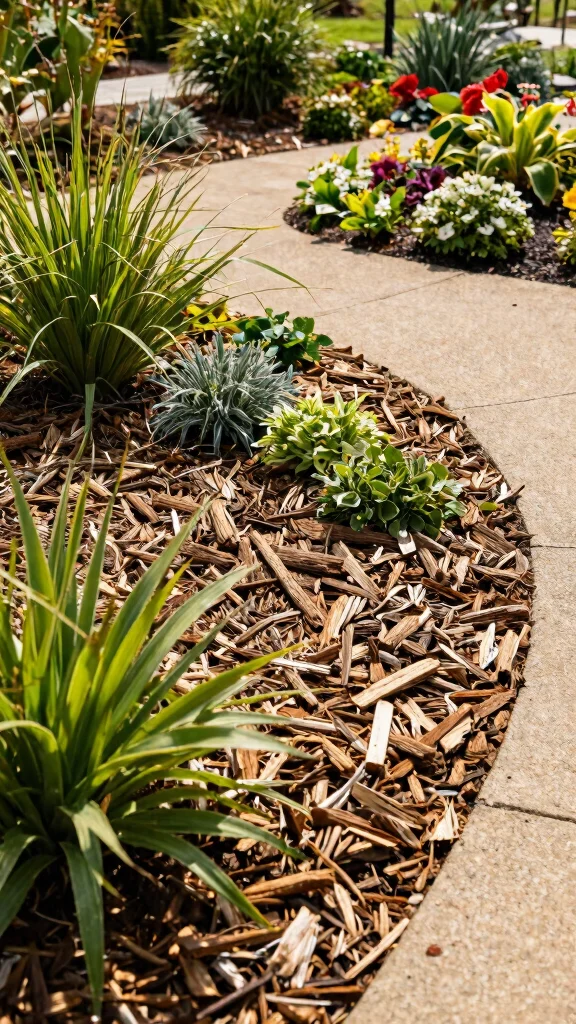
Are you looking to add charm to your garden? Wood chips offer a unique and inviting pathway option that feels soft underfoot. They not only enhance the beauty of your landscape but also improve drainage and provide a stable walking surface. Go for larger chips for that rustic, natural vibe or smaller ones for a more polished appearance.
To achieve the perfect pathway:
– Layering: Start by laying down a weed barrier. Add wood chips, aiming for a thickness of 2-3 inches.
– Borders: Frame your path with stones or logs to define the edges.
– Maintenance: Occasionally rake to keep the surface even.
These pathways do more than guide your feet; they elevate your garden’s overall aesthetic.
Fun fact: wood chips landscaping ideas can transform a yard—layer weed barrier, then 2–3 inches of chips, and your path stays soft underfoot. It also boosts drainage and reduces maintenance by up to 40%.
Create Beautiful Pathways
Editor’s Choice
![MODELLOR Premium Super Washed, Clean, Coco Chips [10 lb], Yields 2 cu ft...](https://m.media-amazon.com/images/I/91aeQTpfxhL._AC_UL320_.jpg)
MODELLOR Premium Super Washed, Clean, Coco Chips [10 lb], Yields 2 cu ft…


iropro 3ftx300ft Weed Barrier Fabric 3.2oz Landscape Fabric Heavy Duty, …
2. Mulch for Flower Beds
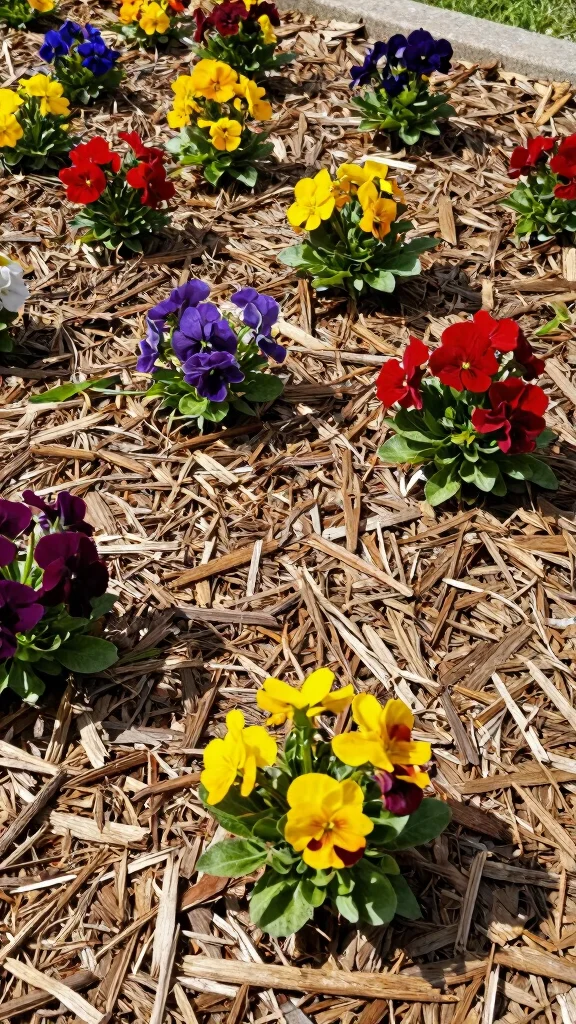
Using wood chips as mulch in your flower beds is a game changer! This natural material not only looks great but also helps retain moisture and suppress weeds, allowing your flowers to thrive without competition. The benefits are clear: your blooms will be healthier and more vibrant.
Consider these perks of wood chip mulch:
– Water Retention: Wood chips are great at holding moisture, which means less frequent watering.
– Soil Enrichment: As they break down, they enrich the soil with organic matter.
– Pest Deterrent: Some wood types naturally repel pests like slugs, giving your flowers a better chance.
Pick chips that enhance your garden’s look—cedar offers a lovely scent and pest resistance, while hardwood is durable and effective.
📹 Related Video: How To Choose the Right Mulch | Mulch Buying Guide
Mulch for Flower Beds
Editor’s Choice

Mulch Film Laying Machine – Metal Agricultural Film Applicator for Veg…

100% Natural Cedar Chips | Mulch | Great for Outdoors or Indoor Potted P…
3. Define Edging with Wood Chips
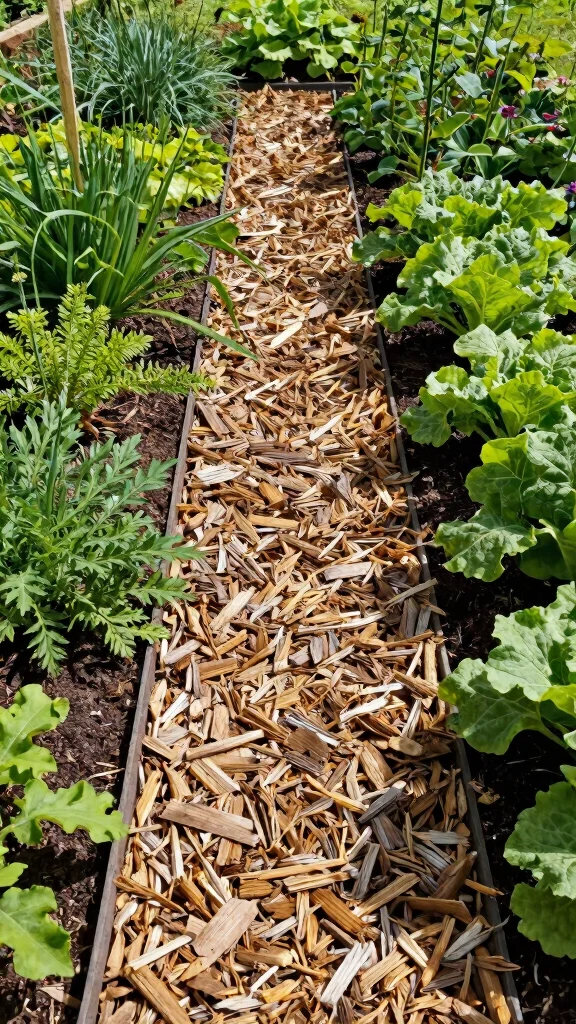
Wood chips are perfect for creating clean edges in your garden. They can beautifully separate areas like flower beds from vegetable patches, adding an organized touch that’s easy to maintain. Unlike traditional materials, wood chips blend effortlessly into the landscape.
Here’s how to use wood chips for edging:
– Depth: Aim for at least 3 inches to ensure stability and weed control.
– Shape: Use curves or straight lines that fit your garden’s design.
– Blending: Mix different chip types for a more dynamic look.
This method not only beautifies your space but also reduces upkeep, allowing you to enjoy your garden more.
Fun fact: For wood chips landscaping ideas, edging with wood chips at a 3-inch depth creates a natural barrier that cuts weed growth by up to 80%. It also blends curves and lines for a tidy, maintenance-friendly garden.
Define Edging with Wood Chips
Editor’s Choice

Camerons All Natural Hickory Wood Chips for Smoker -420 Cu. In. Box, App…

3ftx50ft Weed Barrier Landscape Fabric Heavy Duty,Weed Block Gardening…

Colwelt Saw-Tooth Edger Lawn Tool, Half Moon Lawn Edger with T-Grip, Sid…
4. Create a Natural Play Area
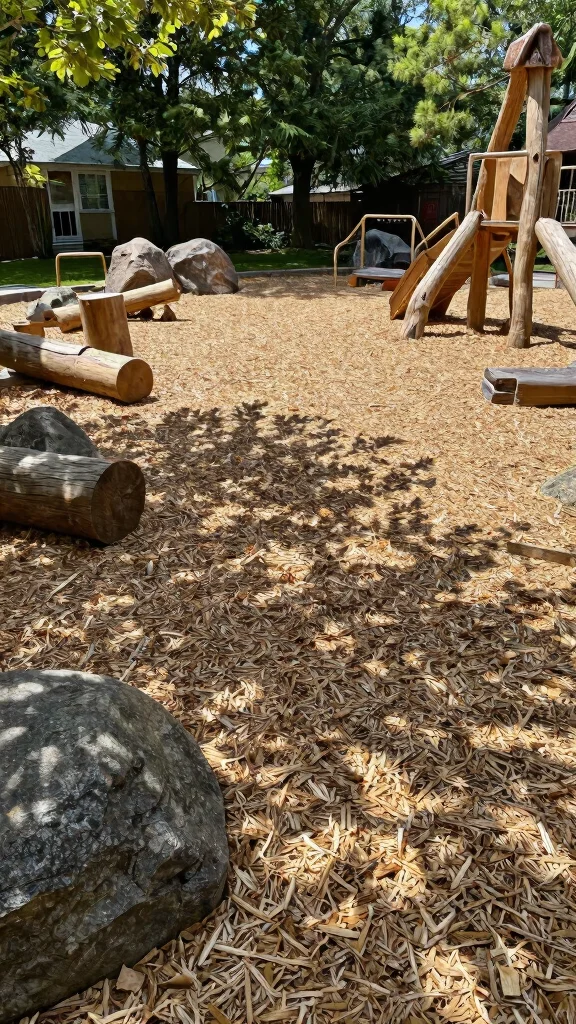
Transform your backyard into a fun play zone with wood chips! They provide a soft, cushioned surface that helps prevent injuries from falls, making them ideal for children’s play areas. Plus, they seamlessly integrate into your outdoor landscape, promoting outdoor playtime.
Consider these tips for a safe play area:
– Safety: Use 6-12 inches of wood chips to ensure adequate shock absorption.
– Maintenance: Regularly rake to keep the surface even and clear of debris.
– Surroundings: Incorporate natural elements like logs for seating or climbing.
This setup not only offers safety but also encourages creative exploration in nature.
You might also like


How To Choose the Right Wood Chips for Your Landscaping
When it comes to enhancing your yard with wood chips, selecting the right type can make all the difference. With various options available, you want to ensure you choose the best fit for your needs. Here are some key criteria to help you navigate your options.
1. Type of Wood
Different types of wood chips offer various benefits. For example, cedar chips repel insects and have a pleasant scent, while pine chips provide a more acidic mulch beneficial for certain plants. Consider the plants you have and the benefits each type of wood provides when making your choice.
2. Size of Chips
Wood chips come in various sizes, from fine mulch to larger chunks. Smaller chips are often better for flower beds as they break down faster and enrich the soil. Larger chips may work well for pathways or decorative areas. Think about where you will use the chips and how they will affect your soil health.
3. Color and Appearance
The visual appeal of wood chips can vary greatly. Some chips are natural, while others are dyed to enhance their colors. If aesthetics matter to you, consider how the color of the wood chips will complement your plants and overall garden design. Decorative wood chips can add a unique touch to your landscape.
4. Durability and Longevity
Certain wood types decompose faster than others. Hardwoods tend to last longer than softwoods. If you want a low-maintenance option, look for more durable woods that will provide lasting coverage. Consider how often you want to replace the chips and factor that into your decision.
5. Source and Sustainability
Choosing eco-friendly garden materials is essential for sustainable landscaping. Look for locally sourced wood chips or recycled materials to reduce your environmental impact. Check if the chips come from sustainable sources to ensure your landscaping choices are kind to the planet.
6. Budget Considerations
The cost of wood chips can vary widely based on type and source. Set a budget before you start shopping. Compare prices between different suppliers, and don’t forget to consider delivery costs if you’re ordering a large quantity. Finding the right balance between quality and price will help you make an informed decision.
Pro Tip: Don’t hesitate to ask local garden centers for samples. This way, you can see and feel the wood chips before making a purchase. It’s also a good idea to check if they offer discounts for bulk orders or local delivery options. Happy landscaping!
Create a Natural Play Area
Editor’s Choice
Camerons All Natural Hickory Wood Chips for Smoker -420 Cu. In. Box, App…

Playsafer Playground Safety Rubber Wearmat for Swingsets and Slides – 1″…
5. Enhance Your Garden’s Visual Appeal
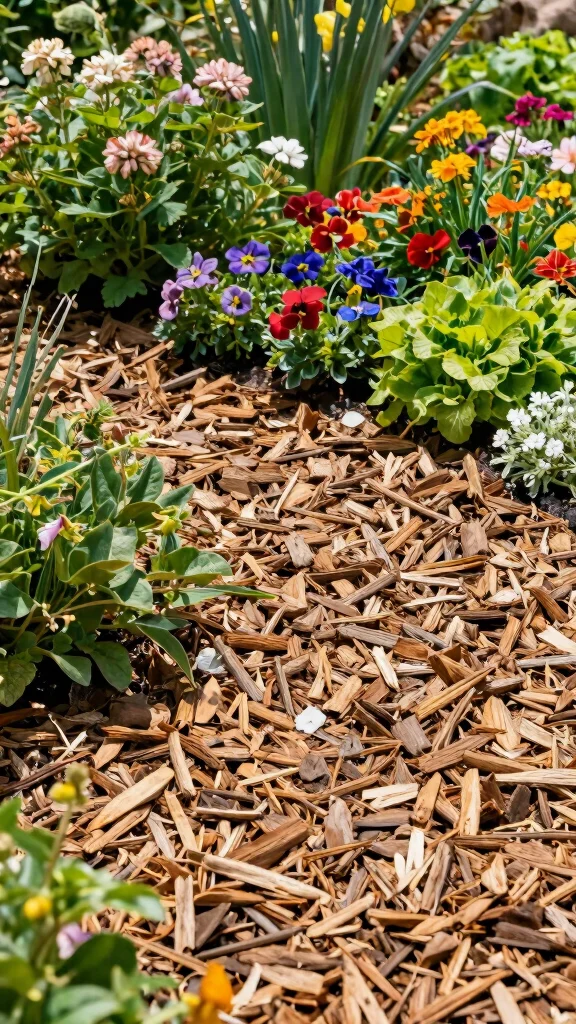
Wood chips can dramatically boost the visual appeal of your garden. Their variety of colors and textures can complement any plant arrangement, making your landscape truly pop. This natural material adds cohesion and sophistication to your outdoor space.
To enhance your garden’s look:
– Color Contrast: Choose light chips against dark foliage for a striking effect.
– Layering: Combine different sizes of chips for added depth and interest.
– Seasonal Changes: Plant seasonal flowers among the chips for year-round beauty.
This strategy allows you to play with colors and textures, creating a garden that’s always inviting.
Fun fact: wood chips can reduce watering needs by up to 30% while boosting color contrast and texture. Layer different chip sizes for depth, and plant seasonal blooms to keep your garden looking fresh year-round. These wood chips landscaping ideas really work.
Enhance Your Garden’s Visual Appeal
Editor’s Choice

20 PCS Unfinished Wood Slices for Centerpieces, 6.3-7 Inch Natural Wood …

VEVOR Compost Spreader, 24 in Wide Peat Moss Spreader with T Shaped Hand…
6. Create a Vegetable Garden Base
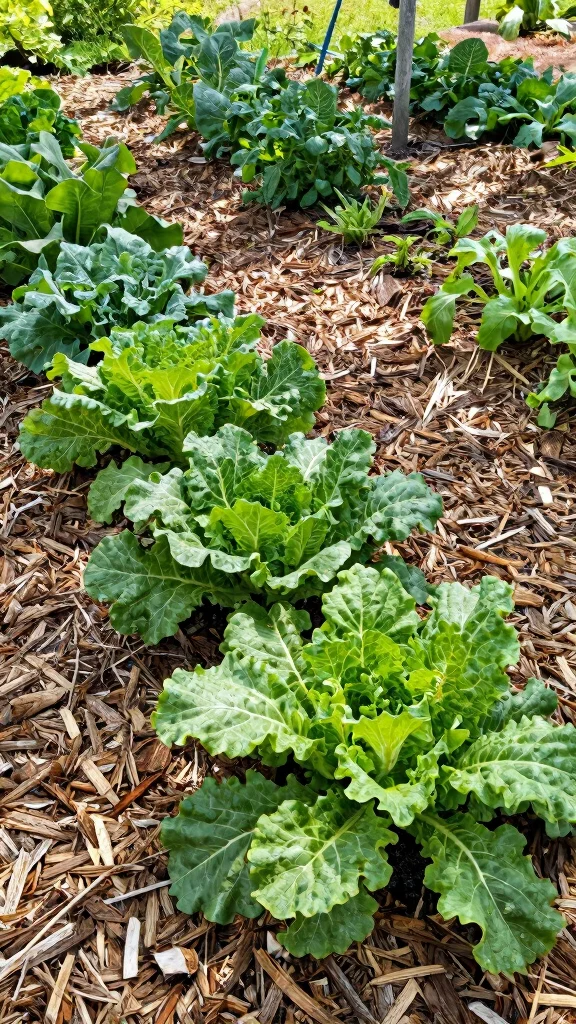
Wood chips are an excellent base for your vegetable garden. They help retain moisture, keeping your plants hydrated while preventing weeds from taking over. This low-maintenance option lets you focus more on growing delicious veggies instead of constant weeding.
Here are some benefits for your vegetable garden:
– Healthy Soil: As the chips decompose, they add essential nutrients to the soil.
– Cooling Effect: They help regulate soil temperatures, creating a stable environment for your plants.
– Eco-Friendly: Using locally sourced wood chips reduces your carbon footprint.
Incorporating wood chips in your vegetable garden offers both aesthetic and practical advantages that any gardener will love.
Create a Vegetable Garden Base
Editor’s Choice

100% Natural Cedar Shavings | Mulch | Great for Outdoors or Indoor Potte…

XLUX Long Probe Deep Use Soil Moisture Meter, Water Monitor Indicator Se…

Organic All-Purpose Liquid Plant Food – Use on All Outdoor Plants: Flowe…
7. Sustainable Landscaping with Wood Chips
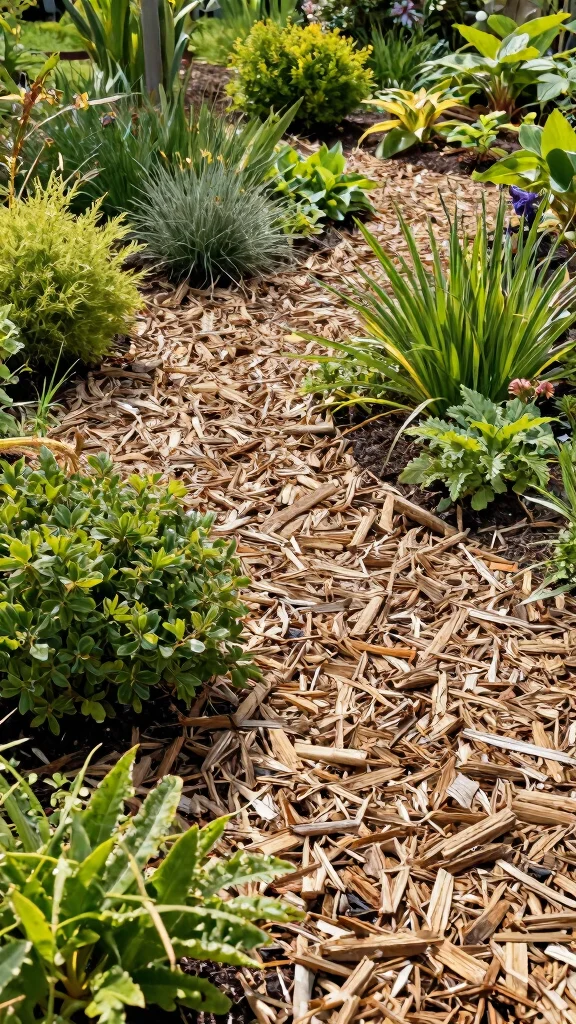
Incorporating wood chips into your landscaping plan supports eco-friendly practices. By using local wood waste, you reduce transportation emissions while providing habitats for wildlife. It’s a sustainable choice that benefits both you and the environment.
Here are some sustainable landscaping tips:
– Source Locally: Opt for wood chips from nearby sources to minimize your carbon footprint.
– Diversity: Mix different wood types for varied aesthetics and benefits.
– Composting: Add wood chips to your compost pile to improve nutrient cycling.
This approach not only beautifies your yard but also positively impacts your local ecosystem.
You Might Also Like
Sustainable Landscaping with Wood Chips
Editor’s Choice

100% Natural Cedar Chips | Mulch | Great for Outdoors or Indoor Potted P…

New Star Foodservice 43006 Wood Handle Butter Spreader, 7.5-Inch, Silver…
VIVOSUN Outdoor Tumbling Composter Dual Rotating Batch Compost Bin, 43 G…
8. Decorative Wood Chip Arrangements
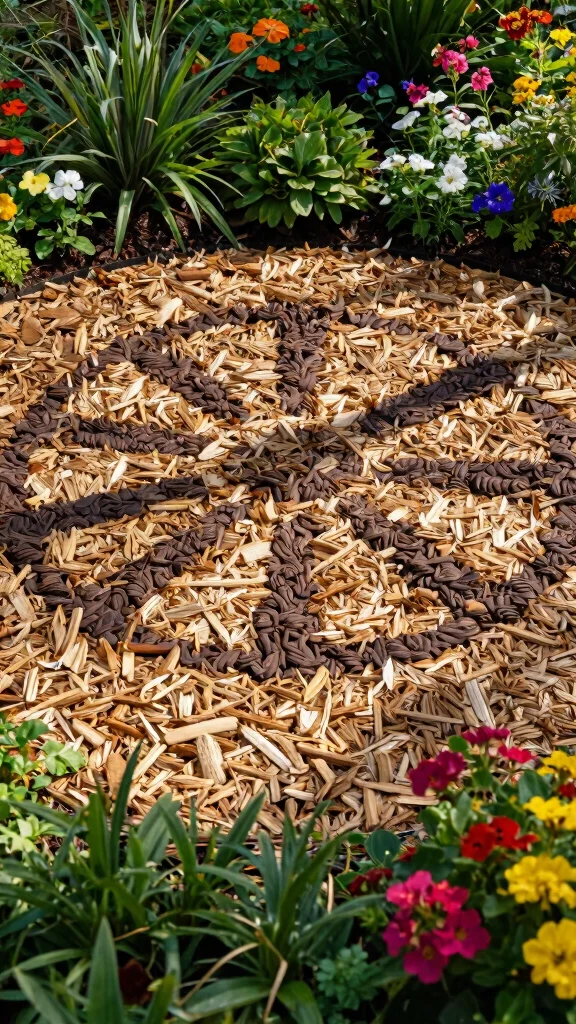
Lastly, consider using wood chips for artistic arrangements in your garden. Create eye-catching designs like circles or spirals that serve as focal points in your landscape. These creative arrangements can define garden sections and add a unique touch.
Explore these design ideas:
– Shapes: Try different patterns that flow naturally within your garden.
– Color Variation: Use various wood types or colored mulches for a vibrant display.
– Surroundings: Pair your designs with ornamental grasses or flowers to showcase your creativity.
This playful approach to wood chip landscaping allows you to express your personal style while enhancing your outdoor space.
Decorative Wood Chip Arrangements
Editor’s Choice

Raging Red Colored Wood Chip Mulch – 42 Quarts – Colored Landscape Mulch…

Beginner Garden Planner for Zones 6-8: A Full Season Growing Guide with …
Conclusion
Wood chips are more than just a landscaping material; they’re a versatile and eco-friendly solution that can elevate any garden design. From creating pathways to enhancing vegetable patches, their benefits are plentiful and impactful. Embracing wood chips in your landscaping not only offers low-maintenance beauty but also plays a significant role in sustainability.
Ready to transform your outdoor space? Dive into these wood chip landscaping ideas to create a charming, eco-conscious garden that you’ll love for years to come!
Note: We aim to provide accurate product links, but some may occasionally expire or become unavailable. If this happens, please search directly on Amazon for the product or a suitable alternative.
This post contains Amazon affiliate links, meaning we may earn a small commission if you purchase through our links, at no extra cost to you.
Frequently Asked Questions
What are the top wood chips landscaping ideas for a sustainable edible garden?
These wood chips landscaping ideas help you add natural texture and low-maintenance beauty while growing an edible garden. Start with a 2-3 inch mulch layer around veggie beds to suppress weeds and conserve moisture. Use decorative wood chips to define paths and create gentle terraces on slopes for better water flow. Keep chips a little away from crowns or stems to prevent rot, especially around young plants. Choose eco-friendly garden materials and avoid dyed chips. A cohesive wood chip garden design ties everything together, making maintenance easier and more beautiful. Replenish the mulch each season as it decomposes to continue the benefits.
How do I choose natural mulch options to keep my landscape eco-friendly?
When choosing natural mulch options, opt for untreated, local wood chips or bark rather than dyed or treated chips.
Natural mulch options like shredded wood chips promote soil life, suppress weeds, and store moisture. Apply a 2-3 inch layer and keep mulch a few inches away from plant stems to prevent rot.
Avoid using fresh chips directly over edible crops until they’ve started to decompose; you can compost chips first or spread them after plants are established. This approach keeps your garden materials eco-friendly garden materials and supports a thriving soil ecosystem. For cohesion, think about a wood chip garden design that blends with your beds.
Are wood chips effective for low-maintenance landscaping around edible plants?
Yes. Mulch reduces weeds, moderates soil moisture, and cuts irrigation time—perfect for low-maintenance landscaping around edible plants. Wood chips insulate roots, improve soil structure, and help prevent crusting. Be mindful of potential nitrogen drawdown if the chips are fresh; mix with compost or use composted wood chips. Replenish annually to maintain coverage, and source chips from a reputable supplier to ensure eco-friendly garden materials. Consider natural mulch options to keep aesthetics and soil health aligned with your garden goals.
What should I consider for a decorative wood chip garden design while keeping it practical for a busy yard?
Think color, texture, and placement. Use decorative wood chips to define borders and pathways, and mix chip sizes for visual interest without adding upkeep. Aim for a cohesive color palette so your yard looks intentional, not random. Place chips 2-3 inches deep in paths and around ornamentals to minimize weeding and mowing. Keep chips away from plant crowns to prevent moisture buildup and rot. When sourcing, choose dye-free, untreated chips to stay true to natural looks and ensure eco-friendly garden materials. A well-planned wood chip garden design can be striking and low-maintenance for a busy schedule.
How can I implement wood chips landscaping ideas without harming soil fertility for vegetables and herbs?
To implement wood chips landscaping ideas without harming soil fertility for vegetables and herbs, blend mulch with organic matter and compost. Use composted wood chips or mix chips with finished compost to supply a gradual nutrient release. Keep a mulch layer of 2-3 inches but pull it back from crowns during the first weeks of transplanting. Replenish yearly and rotate crops to keep soil biology thriving. Pair this with regular harvests and light feeding when needed; this keeps your garden low-maintenance while remaining productive.
Related Topics
wood chips landscaping
sustainable gardening
low-maintenance beauty
eco-friendly materials
natural mulch options
wood chip garden design
decorative wood chips
landscaping tips
beginner friendly
outdoor aesthetics
garden texture
edible landscaping