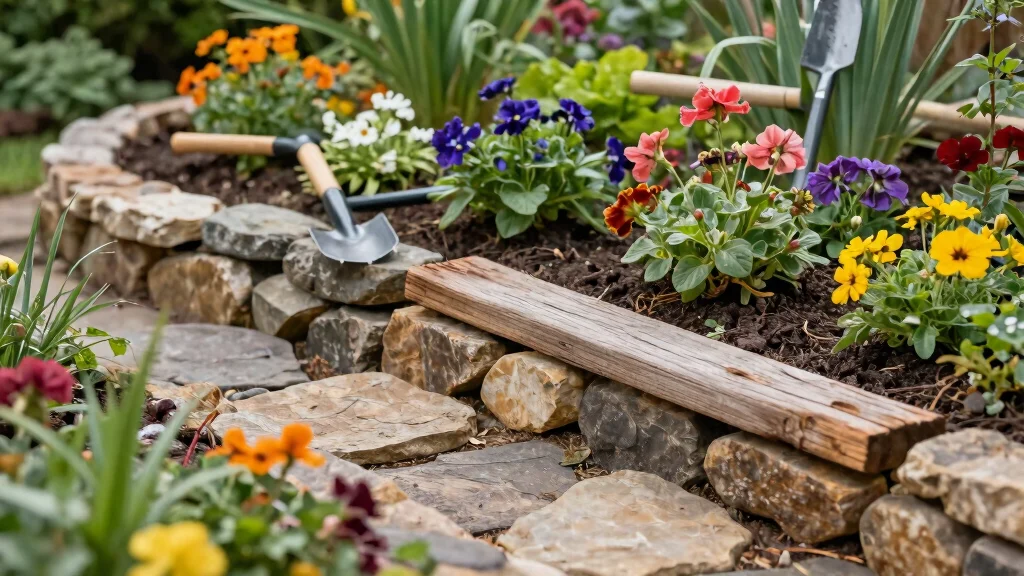
Creating a beautiful garden is not just about the plants you choose; it’s also about how you present them. Garden bed edging ideas can define your outdoor space, giving it a polished and organized look that elevates the entire yard. I made this post to share some fantastic, eco-friendly options that not only enhance your garden’s aesthetic but also align with sustainable practices.
If you’re someone who loves gardening, enjoys outdoor decor, or simply wants to make your yard more visually appealing, you’re in the right place. From natural stone to reclaimed wood, these edging ideas are perfect for any eco-conscious gardener. You’ll discover how each option can create distinct borders while promoting a healthier environment.
By the end of this guide, you’ll have a wealth of garden bed edging ideas at your fingertips. You’ll learn about various materials, their benefits, and how to implement them in your own garden. Plus, you’ll get practical tips on maintaining your garden borders so they remain beautiful for years to come. Let’s explore these creative ways to frame your flower beds and make your outdoor space shine!
Key Takeaways
– Explore natural stone edging for a timeless and sturdy border option that blends well with greenery.
– Consider reclaimed wood for a rustic touch that adds charm while being eco-friendly and sustainable.
– Look into biodegradable edging solutions that break down naturally, enriching your soil over time.
– Discover sleek metal edging for a modern look that keeps mulch and soil in place without overwhelming your garden’s appearance.
– Experiment with living edging, where plants themselves serve as a beautiful border, adding texture and life to your garden beds.
Recommended Products
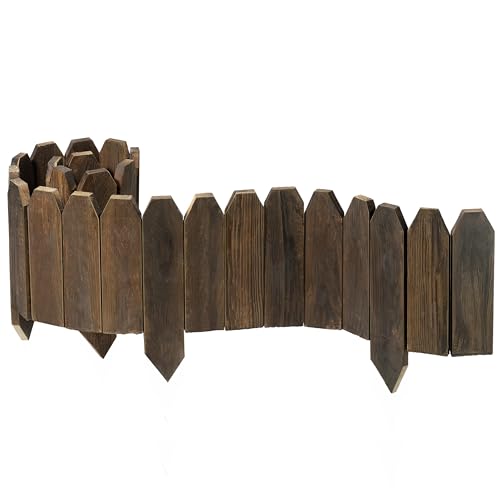
Charred for Durability:Our wooden edging is treated with high-temperature carbonization to resist moisture, rot, and cracking—perfect for withstanding changing seasons in any outdoor space.
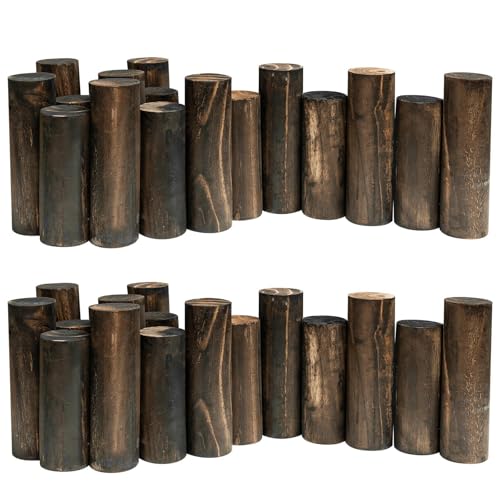
Great Value: These nice edging for landscaping are made from whole logs, while most others are assembled from planks or halved wood. It can be used for a longer time without the need for annual replacement.
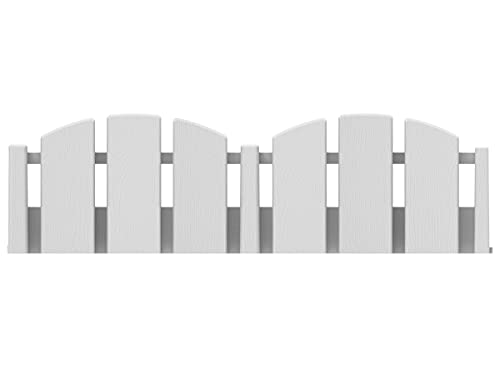
EASYFLEX DECORATIVE NO-DIG LANDSCAPE EDGING: Get a beautifully landscaped yard without all the work of a dig-in lawn edging; simple installation without trenches or shovels
1. Natural Stone Edging
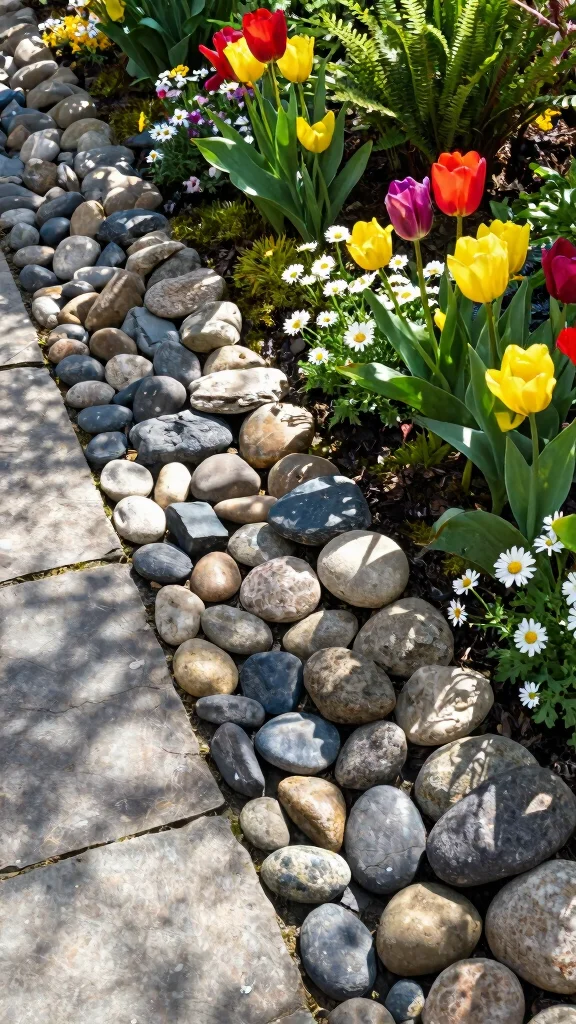
Natural stone edging offers a classic yet sophisticated way to frame your garden beds. With options like slate, granite, or river rock, these stones harmonize beautifully with nature, elevating the visual appeal of your plants. The variety in shapes and sizes lets you get creative, whether you choose to stack them for elevation or lay them flat for a seamless look. Each stone introduces unique textures, adding a rustic charm that fits nearly any garden style.
To get started, carve out a slight trench for your stones to settle securely, ensuring soil and mulch stay in place. You might also mix different stone types for added interest. This eco-friendly choice not only beautifies your garden but also serves a practical purpose.
Key benefits of Natural Stone Edging:
– Durability: Resistant to weather and lasts for years.
– Low Maintenance: No rotting or treatments needed.
– Aesthetic Appeal: Enhances gardens and supports biodiversity.
With natural stone edging, you’ll enjoy a stunning garden border that beautifully integrates with its surroundings.
Recommended Products

SHIPMENT CONTAINS: One 5 inch x 40 foot brown flexible landscape edging coil with 10 matching stakes for securing garden borders
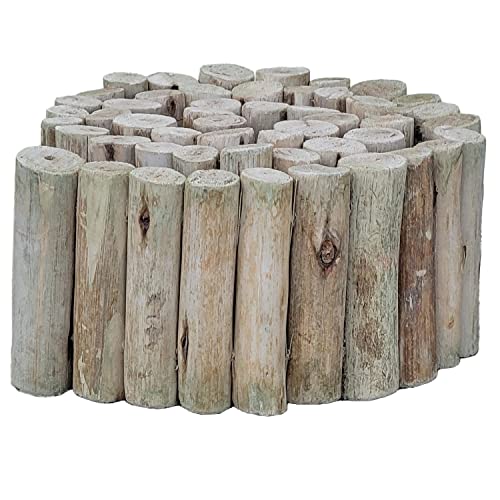
DECORATIVE GARDEN BORDERS: Create a beautiful floral display in your garden and enhance your landscape curb appeal with Eucalyptus wood flower bed borders
Natural Stone Edging
Editor’s Choice

EasyFlex No-Dig Landscape Edging with Anchoring Spikes, 2.7 in Tall Deco…


Virekm River Rocks, Decorative Ornamental Pebbles,Garden Landscaping Sto…
EasyFlex No-Dig Landscape Edging with Anchoring Spikes, 2.7 in Tall Deco…
2. Reclaimed Wood Borders
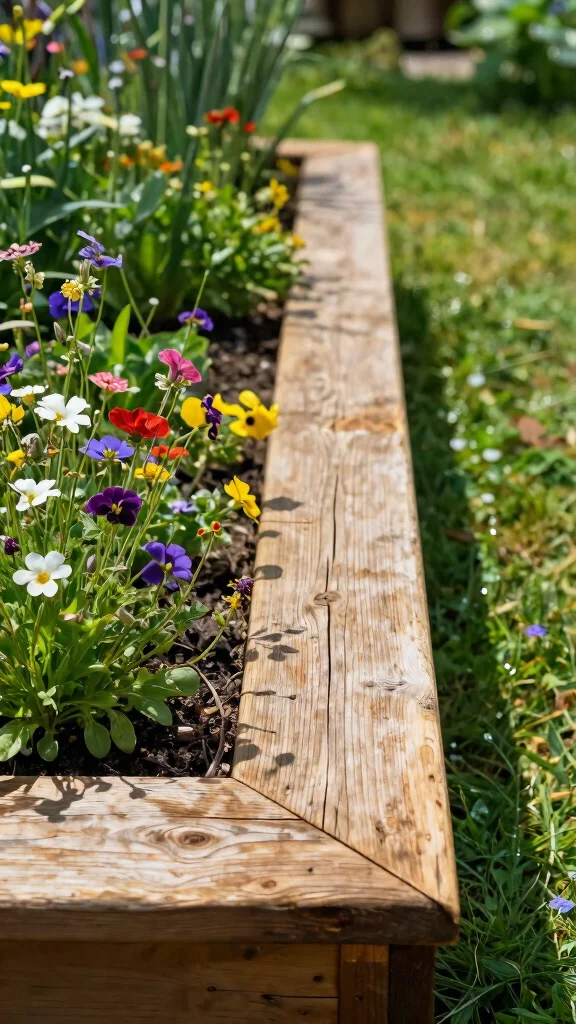
If you want a warm and inviting look, reclaimed wood is the way to go. This eco-friendly option not only reduces waste but also adds a rustic touch to your garden. You can repurpose old pallets, fence boards, or leftover lumber for a charming border. The natural textures and tones of the wood create a cozy atmosphere, making your garden feel more welcoming. Opt for untreated wood to keep harmful chemicals away from your plants.
When working with reclaimed wood, select pieces that are sturdy and free of rot. You can also apply a natural wood preservative to enhance durability. To install, use stakes to secure the wood, ensuring a straight and level edge.
Best practices for Reclaimed Wood Edging:
– Selection: Choose strong, rot-free wood.
– Preservation: Use eco-friendly treatments if needed.
– Installation: Secure with stakes for stability.
By using reclaimed wood, you not only create an attractive border but also contribute to a sustainable future.
Recommended Products

【Spiral Design】 Landscape stake adopts a spiral design, so it has very good stability, which can stabilize and fix the garden landscape edging and the weed barrier.

DIMENSION:the length is 10 inch with a diameter of 0.35 inches

【PACKAGE INCLUDED and SIZE】- Heavy landscape stakes are 8 inches long, 0.21 inches in diameter, and 0.52 inches in diameter at the top. Pack of 50.
📹 Related Video: Lumber Dealers Don’t Want You To Know About This SECRET WOOD For RAISED BED GARDENING
Reclaimed Wood Borders
Editor’s Choice

Wood Garden Edging, Wooden Fence Border Decorative Small Picket Panels f…

Olympic WaterGuard 11 oz. Clear Exterior Waterproofing Wood Sealer Spray
3. Biodegradable Edging
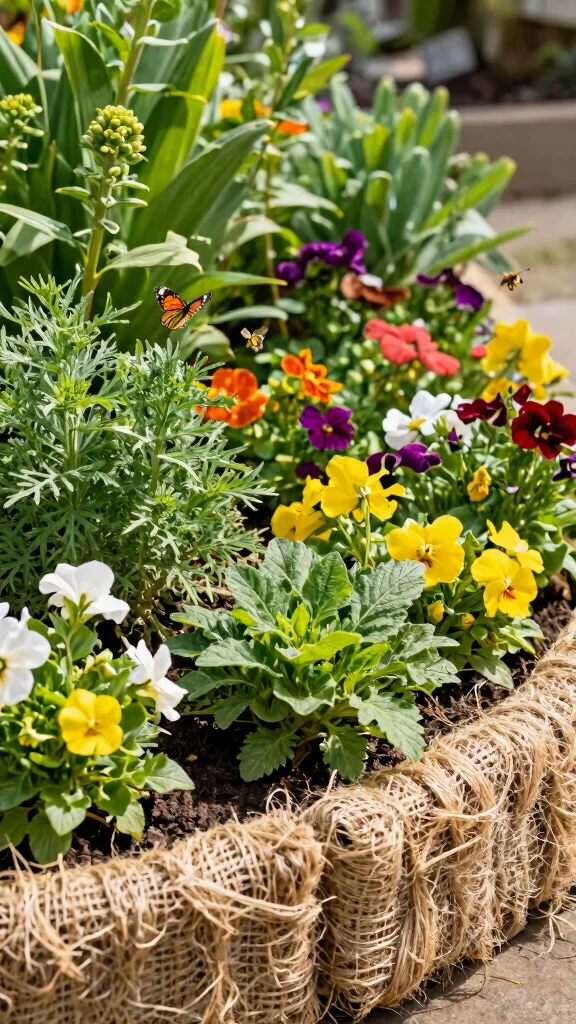
For a truly sustainable option, consider biodegradable edging made from natural materials like coconut coir, jute, or cardboard. These materials break down over time, enriching your soil and promoting a healthy garden ecosystem. Not only do they keep soil in place and prevent weed growth, but they also maintain an organic look. This type of edging is particularly ideal for flower beds and vegetable patches, aligning perfectly with eco-conscious gardening practices.
To install, simply lay the edging around your garden bed and secure it with landscape staples. You’ll appreciate how it seamlessly blends into the earth while enhancing your garden’s ecological health.
Advantages of Biodegradable Edging:
– Eco-Friendly: Decomposes without harmful residues.
– Soil Improvement: Adds organic matter over time.
– Customizable: Easily cut to fit any shape.
With biodegradable edging, you’re not just creating a border; you’re nurturing your garden’s growth and sustainability.
Recommended Products

EASYFLEX DECORATIVE NO-DIG LANDSCAPE EDGING: Get a beautifully landscaped yard without all the work of a dig-in lawn edging; simple installation without trenches or shovels

【Upgraded Landscape Edging】These edging for landscaping are made of protection PP material, stable and not easily crushed. No peeling, no corrosion and not deformed, And include 20Pcs anchoring stakes can withstand 60mph strong wind. You don't worry about your garden damaged by strong winds.And the garden edging is suitable for long-term use, creating clean lines in your garden with some landscape edging.

🌻Garden Borders Kit🌻: Each piece approx dimension is 9.84x8.4 in/25*21.3cm, total length 7ft/2.13m(total 10 Pcs). You can DIY the pathway or flower beds with plastic garden fence as you need and like
Biodegradable Edging
Editor’s Choice

Flexible Garden Edging Borders 66FT,Landscape Edging Brown [Extra Tall 4…
4. Metal Edging
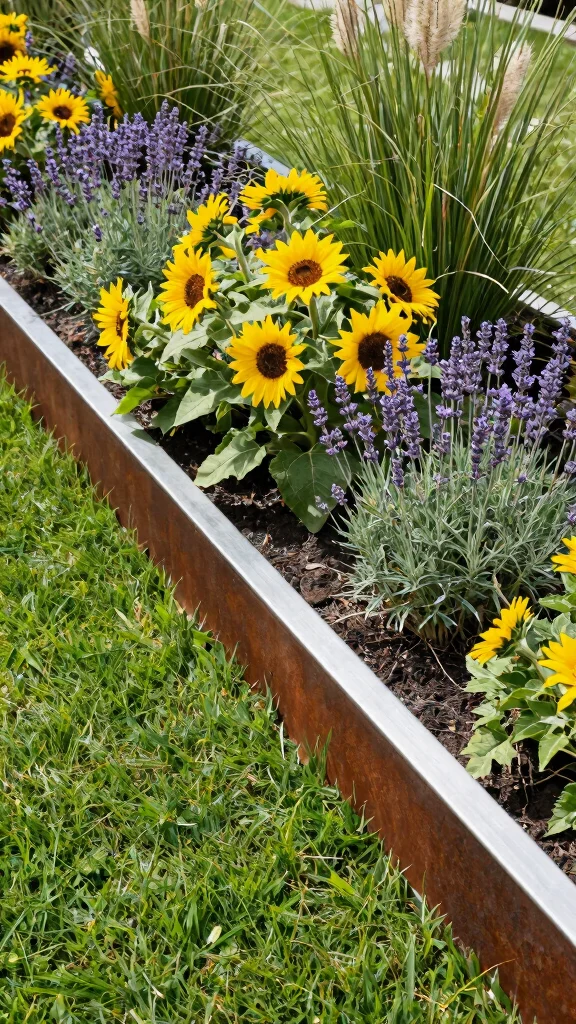
If a sleek, modern look appeals to you, metal edging is an excellent choice. Available in materials like aluminum or corten steel, metal edges provide a crisp, defined border that enhances any garden design. Its durability means it withstands the elements, avoiding the warping or rotting issues associated with wood. The reflective surface can also add a sophisticated touch to your landscape.
When installing, dig a trench and position the metal at your desired height to help retain soil. Pairing the metal with contrasting plants creates a stunning visual effect in your garden.
Benefits of Metal Edging:
– Stylish Design: Perfect for modern and minimalist gardens.
– Long-lasting: Durable with minimal upkeep.
– Versatile: Easily shapes to fit curves or straight lines.
Metal edging offers a polished look that stands the test of time, elevating your outdoor space effortlessly.
Fun fact: Among garden bed edging ideas, metal edging can last 25+ years with minimal upkeep, outlasting wood by up to 4x. Aluminum or corten steel delivers a crisp, reflective border that stays sharp season after season.
Recommended Products
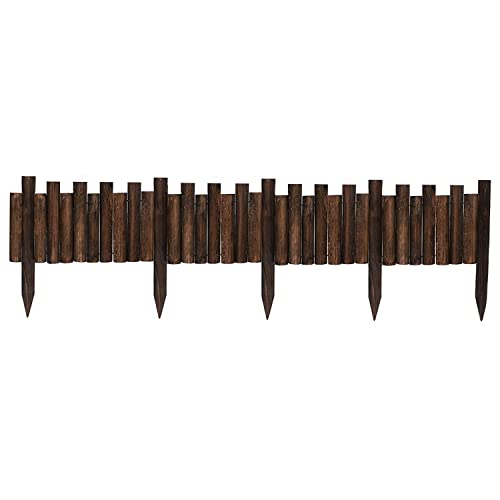
About the Edging: 8 inch height above ground, stakes Height 4 inch, 3.6 Feet total Length; Made from sturdy wood with a carbonized finish, this short fence is durable and long-lasting, standing up to outdoor elements.

Charred for Durability:Our wooden edging is treated with high-temperature carbonization to resist moisture, rot, and cracking—perfect for withstanding changing seasons in any outdoor space.

Fits any shape garden design and can be installed as a curved or round border or straight
Metal Edging
Editor’s Choice

4″ x 66′ No Dig Landscape Edging, Garden Edging Border with 100 Spikes, …

EasyFlex Aluminum Landscape Edging Project Kit, 8 Metal Garden Edging Pi…

Edge Right – Hammer-in Landscape Edging – 48-inch Strips – 8-inch Depth …
5. Brick Edging
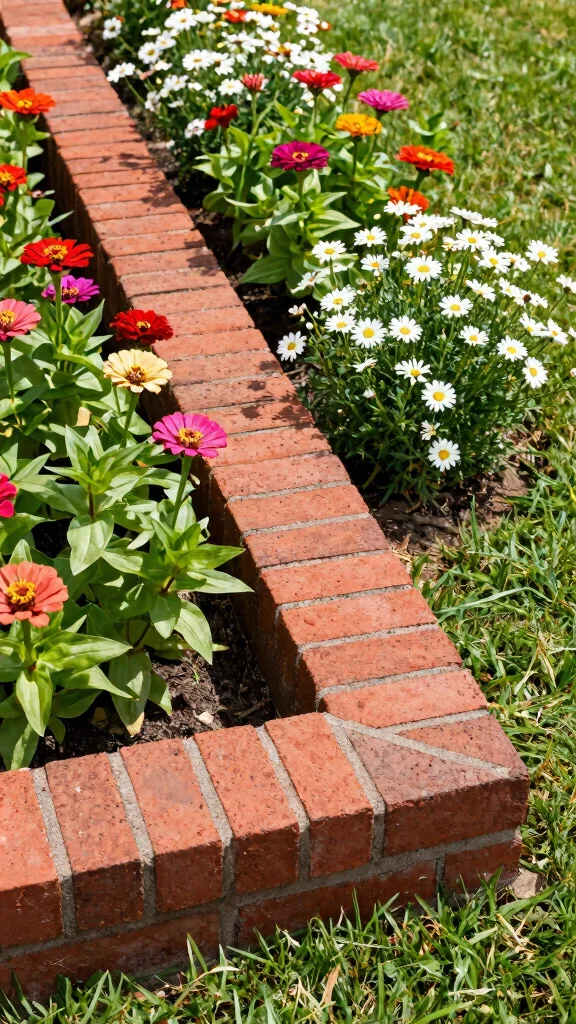
Brick edging is a timeless choice that infuses your garden with character and tradition. Available in various colors and sizes, bricks allow for a customized look that enhances your home’s architecture. You can arrange them flat or on their side, creating unique heights and styles. Additionally, bricks promote excellent drainage, which is essential for plant health.
To install, consider laying bricks on a sand base to ensure stability and prevent shifting over time. The final result will be a neat, defined border that accentuates your flower beds beautifully.
Pros of Brick Edging:
– Durable: Weather-resistant and long-lasting.
– Low Maintenance: Requires minimal upkeep.
– Creative Design: Perfect for straight or curved lines.
With brick edging, your garden will exude charm and sophistication, making it a standout feature in your yard.
Recommended Products

EASYFLEX DECORATIVE NO-DIG LANDSCAPE EDGING: Get a beautifully landscaped yard without all the work of a dig-in lawn edging; simple installation without trenches or shovels; color may vary due to the unique manufacturing process.
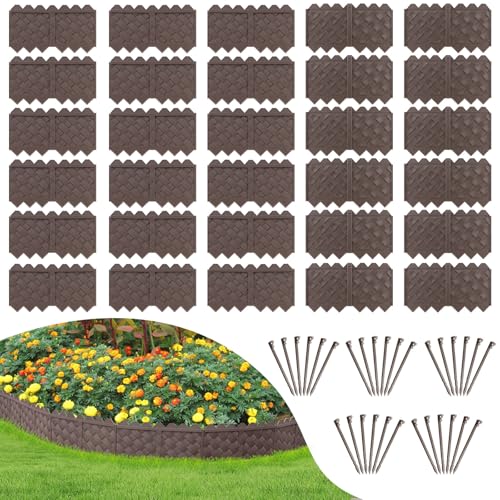
Interlocking Structure Design: The interlocking structure adopts thin tongue and groove style design which will tightly hold the each edgings, preventing the garden edgings peel off. Made of premium material, these interlocking garden border edgings stand the wear and tear, no fading, no crackling, no deformation. It can be used for a long time.

𝐅𝐥𝐞𝐱𝐢𝐛𝐥𝐞 & 𝐄𝐚𝐬𝐲 𝐭𝐨 𝐈𝐧𝐬𝐭𝐚𝐥𝐥: Each panel measures 40" (L) × 5" (H), including 3" underground stakes for strong anchoring, leaving 2" visible above ground for a clean, low-profile border. The hammer-in design makes installation fast and effortless—perfect for creating neat, professional-looking edges without digging.
You might also like
Brick Edging
Editor’s Choice

Beuta Landscape Edging | Garden Edging Border | Faux Stone Bricks for La…
6. Concrete Edging
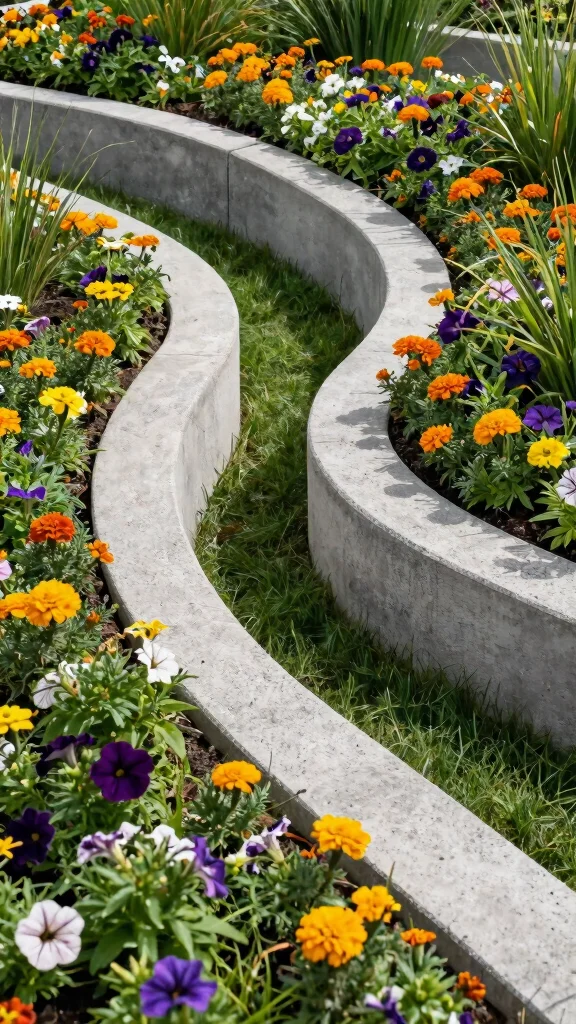
Concrete edging is a strong and customizable choice for defining your garden borders. You can create unique shapes and designs that enhance the flow of your outdoor space. Whether you choose a sleek finish or a textured look, concrete adapts to suit various garden styles. Known for its durability, this material can last for years, making it a smart investment.
Installation can be done by pouring your own forms or using pre-cast sections for convenience. This flexibility allows you to define your garden borders creatively, resulting in a refined finish that ties your outdoor decor together.
Highlights of Concrete Edging:
– Customizable: Shapes and colors tailored to your theme.
– Weather-Resistant: Withstands harsh conditions for longevity.
– Easy to Maintain: Simple to clean with a hose.
Concrete edging not only organizes your garden but also amplifies its overall aesthetic appeal.
Recommended Products

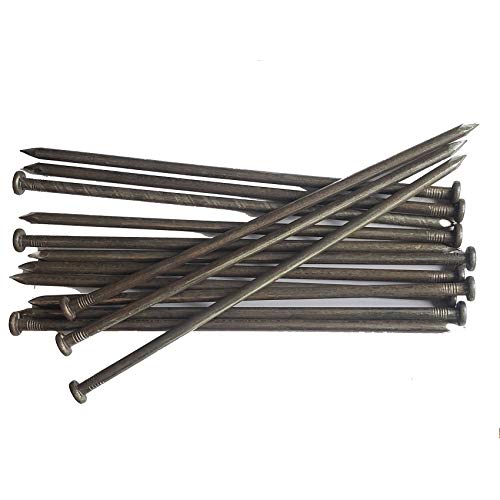
●HIGH-QUALITY STEEL-----The stakes are made of high quality hard steel. Strong and durable. Spikes can be used for dig-in landscape/paver edging, yard ornaments, tent stakes, wood outdoor steps and more.
No need to hire professionals, create a beautifully landscaped yard by yourself

Size:The landscape fabric staples are 6 inches long, 1.5 inches wide and 0.11 inch in diameter.
Concrete Edging
Editor’s Choice
EasyFlex No-Dig Landscape Edging with Anchoring Spikes, 2.7 in Tall Deco…

U0U 4×78.7″ Plastic Concrete Forms for Walkway,2PCS Concrete Edging Curb…
7. Living Edging
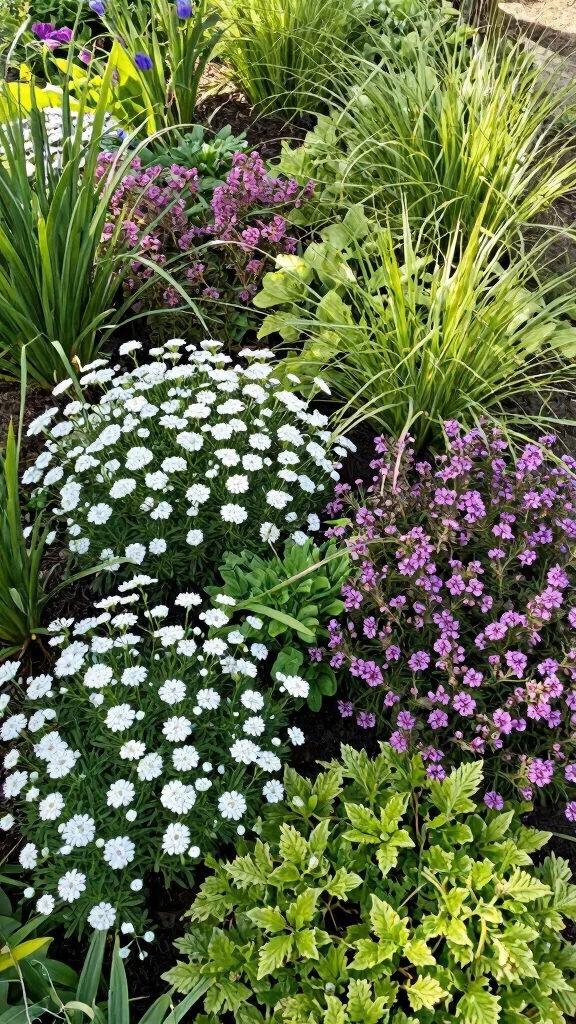
For a unique and environmentally friendly option, living edging is worth considering. This method involves using low-growing plants like ornamental grasses or flowering ground covers to outline your garden beds. It contributes to a natural aesthetic while supporting biodiversity and attracting pollinators.
When selecting plants, make sure to choose varieties that thrive in your climate and share similar watering and sunlight needs. As these plants mature, they’ll form a lush, green border that enhances your garden without traditional materials.
Benefits of Living Edging:
– Eco-Friendly: Supports the ecosystem and wildlife.
– Gentle Look: Softens the transition between beds and lawns.
– Seasonal Interest: Offers changing colors and textures year-round.
Embrace living edging for a vibrant, natural border that elevates your garden’s beauty.
Living Edging is a green border that grows with your care. It’s one of the garden bed edging ideas that uses low-growing grasses or ground covers sharing sun and water needs, and you’ll watch your yard’s borders fill in, inviting pollinators while you admire the ever-shrinking lawn.
Recommended Products

Quality Metal Material: Our galvanized garden edge is processed using high-precision CNC technology, ensuring accuracy down to every millimeter. Innovative 3D ripple design not only enhances the aesthetic appeal of the fence but also strengthens its structural integrity.

Rustproof & Durable: Make your outdoor space a charming oasis with our garden fencing. The garden border fence features an arched design and is coated with black rust-resistant material to ensure durability and making it able to withstand outdoor conditions such as exposure to sun and wind
Living Edging
Editor’s Choice

Seed Needs Low Growing Wildflower Flower Seeds for Planting | 1 Ounce Mi…

Pink Ornamental Grass Seeds Mix for Planting – 250+ Seeds: Pink Muhly, P…
8. Recycled Materials
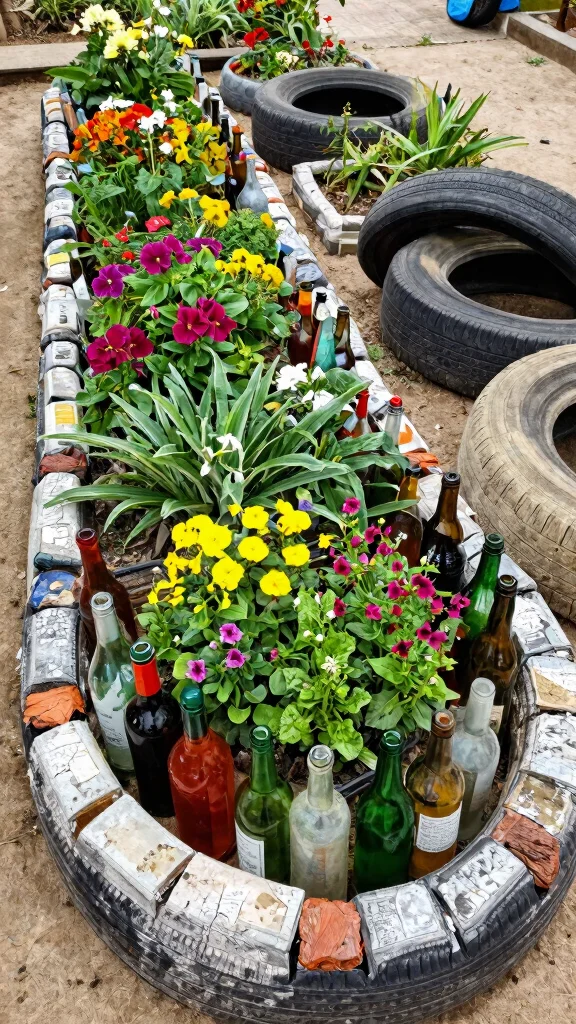
Using recycled materials for garden bed edging is a creative and eco-conscious choice. Items like old tires, bricks, or glass bottles can be repurposed into distinctive borders that add character to your space. This approach is budget-friendly and allows for personal expression in your garden design.
When selecting recycled materials, ensure they’re safe for gardening, especially near edible plants. You can also paint or decorate items to enhance their appearance, making your garden both eco-friendly and visually interesting.
Advantages of Using Recycled Materials:
– Cost-Effective: Many items can be sourced inexpensively or even free.
– Unique Aesthetic: Stand out with creative designs.
– Sustainability: Minimizes waste and encourages recycling.
By incorporating recycled materials, you create a distinctive garden border that reflects your personality while being kind to the planet.
Recommended Products

Refined Carbonized Pine Wood: Crafted from premium pine, our wood landscape edging is carbonized for durability, sanded smooth, and coated for superior weather resistance....
Key Trade-offs & Our Top Pick
Natural Stone Edging
– Pros:
– Durable and long-lasting material
– Offers a natural look that blends well with various garden styles
– Resistant to weather changes
– Cons:
– Can be expensive compared to other options
– Heavy and may require professional installation
– Limited flexibility for intricate designs
– Best for: Large gardens or landscapes needing a classic aesthetic.
Reclaimed Wood Borders
– Pros:
– Eco-friendly choice that repurposes old materials
– Adds rustic charm to your garden
– Usually affordable if sourced locally
– Cons:
– Can rot over time if not treated
– May require regular maintenance and replacement
– Not as stable as other edging types
– Best for: Gardeners looking for a budget-friendly and sustainable option.
Biodegradable Edging
– Pros:
– Made from natural materials that decompose over time
– Enhances soil health as it breaks down
– Easy to install and adjust
– Cons:
– Limited lifespan; may need frequent replacement
– Not suitable for all climates, especially wet ones
– Can be less visually appealing compared to other materials
– Best for: Eco-conscious gardeners focusing on creating a sustainable environment.
Metal Edging
– Pros:
– Very durable; withstands harsh weather conditions
– Sleek and modern look that complements contemporary gardens
– Easy to install and maintain
– Cons:
– Can be pricier than wood or biodegradable options
– May rust over time if not treated properly
– Can be sharp, presenting a safety concern in some areas
– Best for: Urban gardens or contemporary landscapes needing neat lines.
Brick Edging
– Pros:
– Timeless aesthetic that enhances any garden design
– Sturdy and long-lasting material
– Can be arranged in various patterns for unique looks
– Cons:
– Labor-intensive installation process
– Can be more expensive depending on brick choice
– Heavy, requiring a solid foundation
– Best for: Traditional gardens or stylish flower beds that want to make a statement.
Expert Recommendation:
Best Overall: Natural Stone Edging
Natural stone edging stands out as the top choice for many gardeners. Its durability means you won’t be replacing the edging every few years. It also adds a natural beauty that enhances your garden’s overall appeal. With a variety of sizes and shapes available, it accommodates different styles. While the initial cost may be higher, the long-term benefits often outweigh the investment.
Why We Picked This:
If you prefer a more rustic look, reclaimed wood borders might suit you best. They offer a unique charm but require more upkeep. Metal edging is great for those wanting a modern look, while biodegradable edging appeals to eco-minded gardeners willing to replace it more often. Each option has its strengths, so consider what matters most to your garden design and maintenance preferences.
Recycled Materials
Editor’s Choice

Adnee 140” x 5.5″ Double Sided Rubber Mulch Roll, Black Recycled Rubber…

MyGift Vintage Design Embossed Fleur De Lis Clear Glass Bottles with Cor…
Beuta Landscape Edging | Garden Edging Border | Faux Stone Bricks for La…
9. Grass Edging
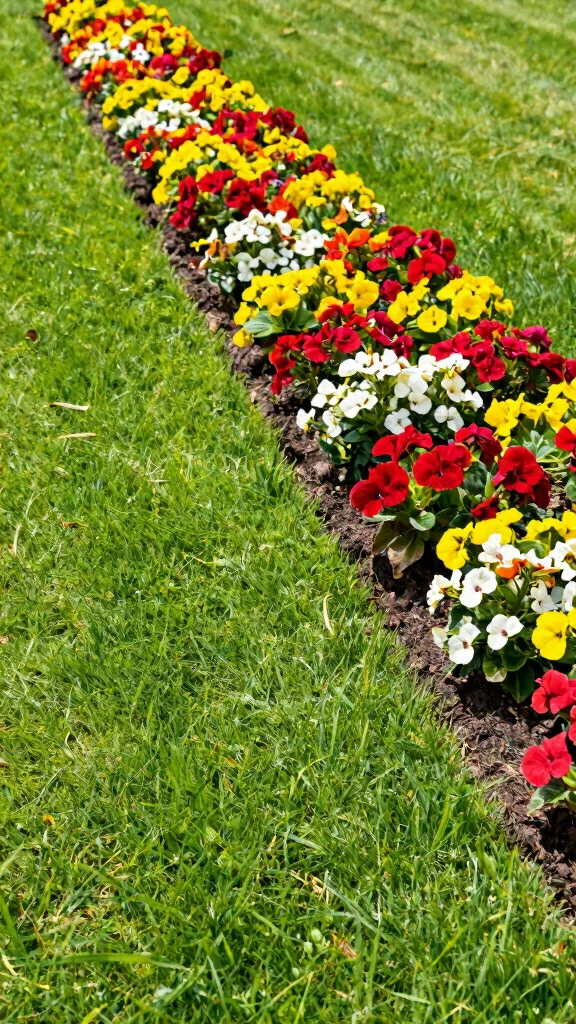
For a straightforward yet effective solution, grass edging offers a polished look for your garden beds. By maintaining a strip of grass along the border, you create a natural transition that enhances your yard’s overall appearance. This low-maintenance option suits homeowners who prefer a clean, minimalist style while keeping everything orderly.
To achieve the best results, regularly trim the grass to maintain a consistent height. Use a string trimmer or edging tool to define the line between grass and flower beds. Consider adding stones or pavers at the base for added definition.
Tips for Grass Edging:
– Consistent Trimming: Maintain height for a neat look.
– Sharp Edges: Use tools for a clean separation.
– Add a Border: Incorporate stones for additional definition.
Grass edging is a versatile choice that enhances various garden styles, making your outdoor space visually appealing with ease.
Fun fact: A slim grass edge is one of the garden bed edging ideas that creates a natural transition and cuts mowing time by up to 20 minutes a week. Keep it sharp with regular trims and a string trimmer for a polished, eco-friendly border.
Grass Edging
Editor’s Choice

20V Electric Weed Wacker Cordless Edger Lawn Tool 2 X 2.0Ah Battery Powe…

Edger Lawn Tool 41 Inches with Two Replaceable Blades Manual Lawn Edger …
Conclusion
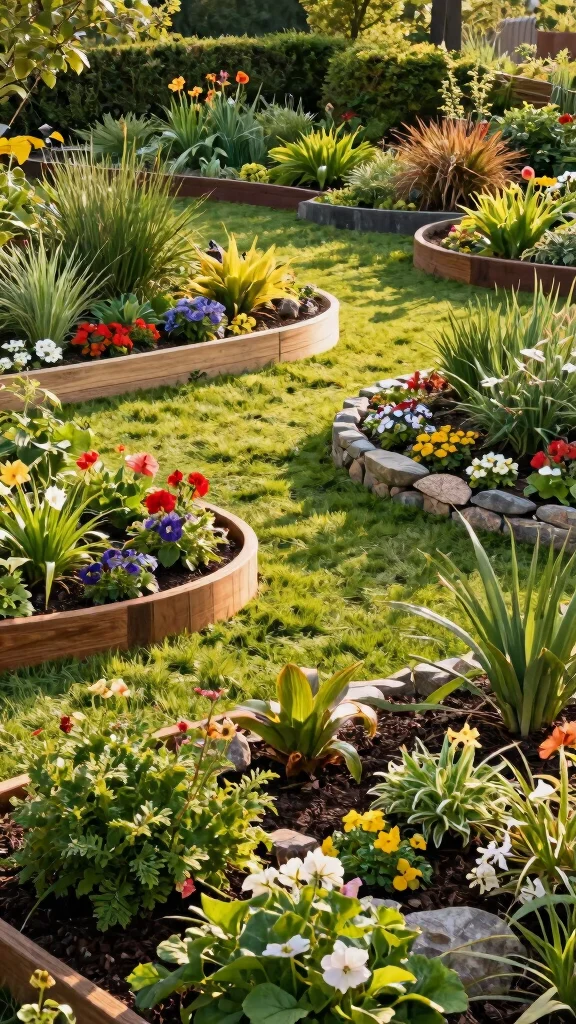
Creating a polished and defined outdoor space is easier than you might think, especially with these innovative garden bed edging ideas. Whether you opt for natural stone, reclaimed wood, or even recycled materials, each choice adds character and sustainability to your landscape. Embrace your creativity and consider which edging method reflects your style while benefiting the environment.
Experimenting with these ideas can elevate your garden from ordinary to extraordinary. So roll up your sleeves and let your outdoor decor shine!
Note: We aim to provide accurate product links, but some may occasionally expire or become unavailable. If this happens, please search directly on Amazon for the product or a suitable alternative.
This post contains Amazon affiliate links, meaning we may earn a small commission if you purchase through our links, at no extra cost to you.
Frequently Asked Questions
What are the best eco-friendly garden bed edging ideas to define borders without using harsh plastics?
There are several eco-friendly options that define borders while keeping your yard green. Garden bed edging ideas include natural stone, brick, and reclaimed wood, which are durable and timeless. Recycled steel edging from salvage yards is strong and has less environmental impact than new plastics. Gravel or crushed stone creates a soft, natural look and works well with garden borders. For a living edge, plant dense grasses or low-growing groundcovers along the border to blend edging with the landscape. To get started, measure the bed, pick a material that fits your landscape design, install with a stable trench, and cover with mulch to prevent weeds. Regular maintenance keeps the look polished, and you can switch to alternative outdoor decor options as seasons change.
How can edging ideas be chosen to fit with landscape design and garden borders?
Think of edging as a frame for your landscape design. Start by noting the existing colors, textures, and shapes in your yard. Choose edging materials that echo the house siding or stone path for cohesion, or use a bold contrast to define a modern border. Consider the width of the border: narrow for a tidy, formal look or wider for a lush, natural feel. Repetition and rhythm matter: repeat the same edging material along multiple borders to unify the space and create a polished flower bed ideas look. Finally, ensure your edging won’t interfere with mowing or irrigation systems and allow room for outdoor decor elements if you want to place planters or statues.
Which edging materials offer low maintenance and durability across seasons?
Natural stone, steel, and brick are long-lasting and require minimal maintenance. Stone and brick withstand weather well and rarely warp; steel or aluminum edging lasts for years, resists pests, and provides a sleek look. Concrete edging is sturdy and affordable, but can crack in freeze-thaw cycles if not installed properly. Recycled composite and recycled plastic edging are low maintenance but may fade over time. For eco-friendly options, consider reclaimed materials or permeable designs that allow water to pass through and support plant health. When choosing, prioritize materials that align with your landscape design and garden borders goals while accounting for sun and rain exposure.
What practical steps can I take to create a polished, sustainable flower bed border?
Start by defining the border line with string or a garden hose, then measure length and decide on width. Pick an edging material that fits your eco-friendly goal—stone, brick, reclaimed timber, or recycled metal counts as edging materials. Dig a shallow trench, lay the edging firmly, and secure with stakes or adhesive depending on material. Fill the inside with weed barrier fabric and mulch to suppress weeds, then plant low-growing companions for a natural transition. Finally, maintain by trimming, weeding, and rinsing the border to keep your garden bed edging ideas looking fresh.
Can I DIY affordable garden bed edging ideas without sacrificing a professional look?
Absolutely. You can reuse materials you already have—bricks from an old path, rocks from the yard, or salvage wood from pallets—and still achieve a clean line. Plan your layout with a simple string line, measure to keep consistency, and pick a single edging style for all borders to create a cohesive look that aligns with your landscape design and garden borders. Tools you’ll need: a mallet, chisel, level, garden spade, and edging pins. Take your time with cutting and fitting so the edge sits flat and even; install on a shallow trench and cover with mulch to finish. This is a budget-friendly way to realize garden bed edging ideas that look professional and feel eco-friendly.
Related Topics
garden bed edging
eco-friendly materials
landscape design
flower bed borders
outdoor decor
sustainable gardening
DIY garden projects
beginner friendly
budget friendly
natural edging
seasonal gardening
easy landscaping