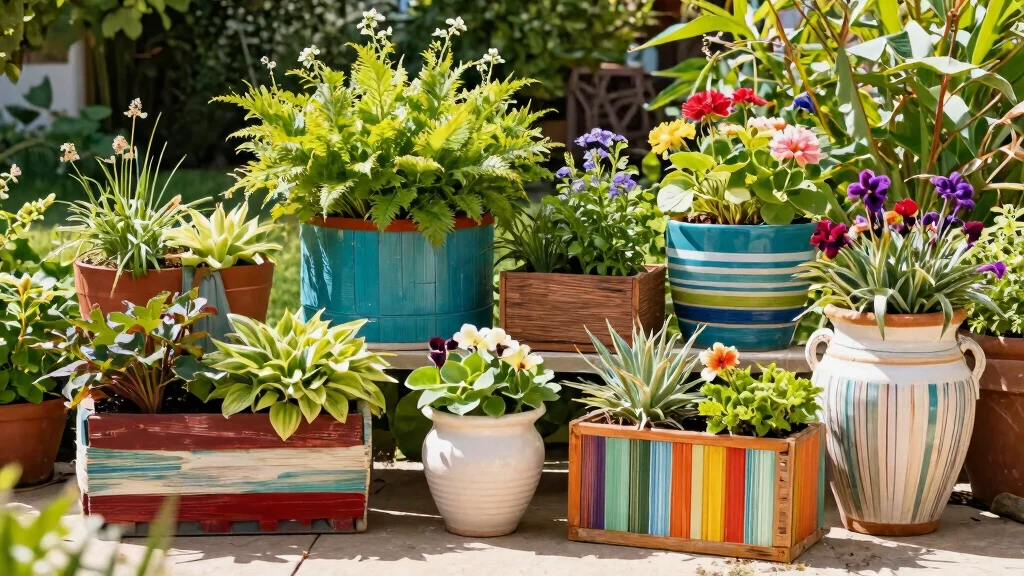
If you’re like me, the arrival of spring has you dreaming of colorful blooms and lush greenery. After a long winter, nothing feels better than breathing life back into your outdoor spaces. Whether you have a sprawling yard or just a tiny balcony, there’s so much you can do to brighten up every corner. That’s why I created this post—it’s packed with outdoor planter ideas that can transform your space into a vibrant oasis.
This guide is for anyone who loves gardening, whether you’re a seasoned pro or just starting out. If you’re passionate about container gardening or want to explore vertical planters, you’re in the right place. You’ll find practical, DIY outdoor planters tips that not only bring color but also add personality and charm to your yard. Each idea is designed to inspire you and help you make the most of your outdoor areas, no matter their size.
Get ready for some creative inspiration! In this blog, I’m sharing seven unique outdoor planter ideas that will help you incorporate beautiful plant arrangements into your yard. From tiered planter stands to colorful mixed planters, you’ll discover ways to add life and vibrancy to your outdoor space. Let’s dive in and turn your garden dreams into reality!
Key Takeaways
– Discover seven creative outdoor planter ideas that can brighten up any space, regardless of size.
– Learn how to use vertical planters to maximize small areas while adding greenery and visual interest.
– Explore DIY outdoor planters for a personal touch that showcases your style and creativity.
– Find tips for creating colorful plant arrangements that will make a bold statement in your garden.
– Get practical advice on incorporating landscaping with planters for a cohesive look in your outdoor design.
Recommended Products

MADE IN THE USA – SUPPORTS 3 SMALL BUSINESSES Proudly manufactured in the United States. Every Smart Spring planter purchased directly supports three small U.S. businesses, helping keep jobs and production local.

【3 Tier Raised Garden Bed】The vertical garden planter adopts a tiered design, so there is enough space to plant and divide vegetables, herbs, flowers, etc. Save a lot of space for you and keep your garden well organized.
1. Tiered Planter Stand for a Vertical Garden
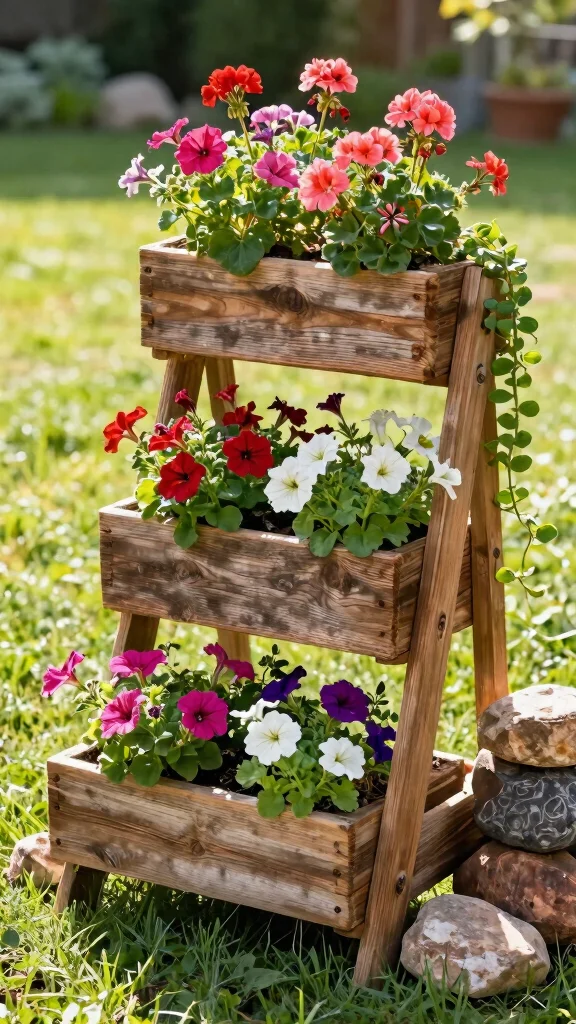
Tiered planters offer a fantastic way to elevate your gardening game while saving space. They can be made from materials like wood, metal, or even recycled crates, allowing you to personalize them to your style. This design creates a stunning visual display of flowers and greenery that can be appreciated from all angles in your yard.
To enhance your tiered planter, think about mixing different plant types. Pair cascading vines with vibrant blooms such as petunias and geraniums. This variety not only adds depth but ensures every tier offers something unique and eye-catching.
Here are some tips for creating your own tiered planter:
– Use treated wood for longevity against the elements.
– Drill drainage holes to promote healthy roots.
– Arrange plants based on sunlight needs, placing sun-loving varieties on top.
With a splash of creativity, your tiered planter can become a striking centerpiece that invites admiration from all who visit!
Did you know tiered planters can double your planting area in small spaces? With a vertical garden, you gain color from top to bottom without crowding your yard. It’s one of the outdoor planter ideas that saves space and boosts curb appeal.
Recommended Products

Space-Saving Vertical Gardening: Maximize your growing potential with staggered tiered planting! By smartly utilizing vertical space through height-varied layers, this planter lets you grow more plants while saving precious floor space—good for compact balconies, cozy patios, or tight indoor corners.

SAVE FLOOR SPACE - Stackable vertical planter tower

Larger Capacity for Bigger Growth: This large vertical planter tower offers increased planting volume and root space, making it ideal for serious gardeners, backyard food production, and high-yield growing.
Tiered Planter Stand for a Vertical Garden
Editor’s Choice

HOME GROWN USA Wildflower Seeds Bulk Mix | 44,000 Non-GMO Perennial Flow…


Miracle-Gro Organic Outdoor Potting Mix – Plant Soil for Outdoor Contain…

iDavosic.ly Plant Stand Indoor Outdoor, 5 Tier Corner Metal Flower Displ…
2. Hanging Planters for a Whimsical Touch
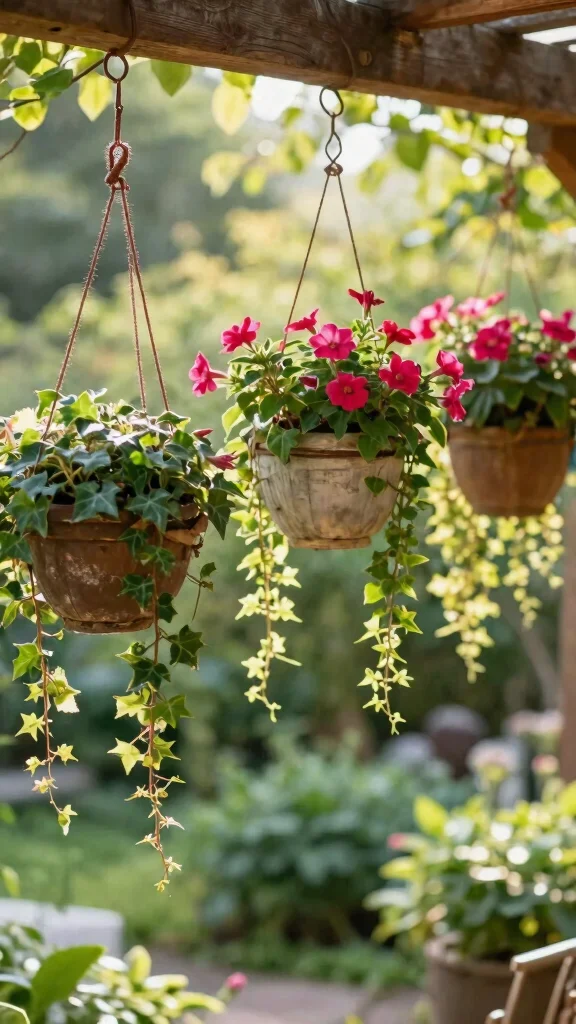
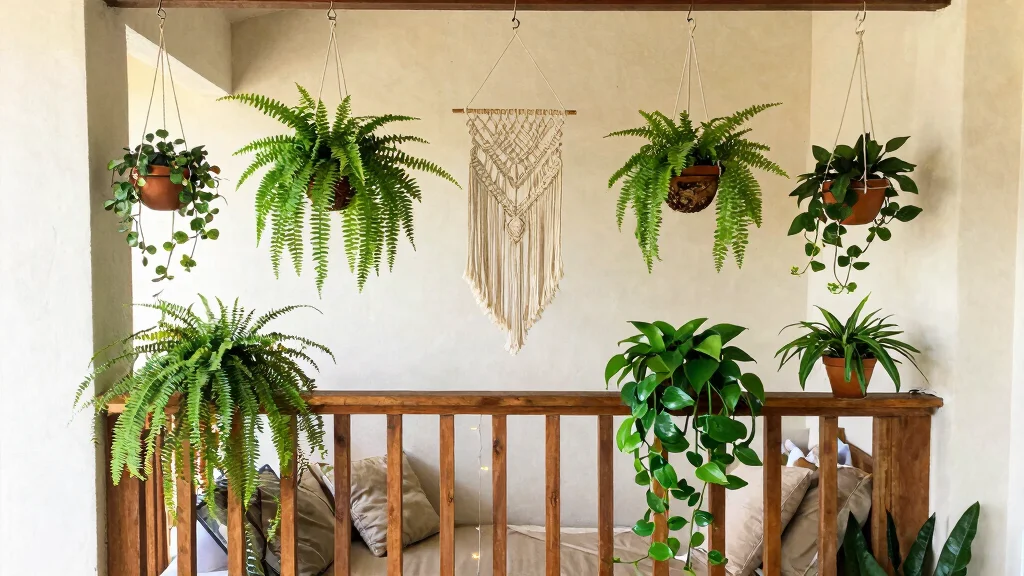
Hanging planters bring a delightful flair to any outdoor space, especially in smaller areas. By drawing the eye upward, they create a sense of openness and can be suspended from ceilings, trellises, or sturdy tree branches. This whimsical touch can transform even the simplest space into a garden wonderland.
Choosing the right plants is essential for your hanging planters. Opt for trailing varieties such as ivy or fuchsia, or even fragrant herbs like rosemary and thyme. These options not only look fantastic but also fill your garden with delightful scents that enhance your outdoor experience.
Here’s how to style hanging planters effectively:
– Select colorful pots to inject personality into your space.
– Vary the heights of your planters for a cascading effect.
– Practice proper watering techniques to keep your plants healthy.
Hanging planters are more than just decorative; they can elevate your outdoor area into a vibrant and inviting retreat, perfect for relaxation or gatherings.
Recommended Products
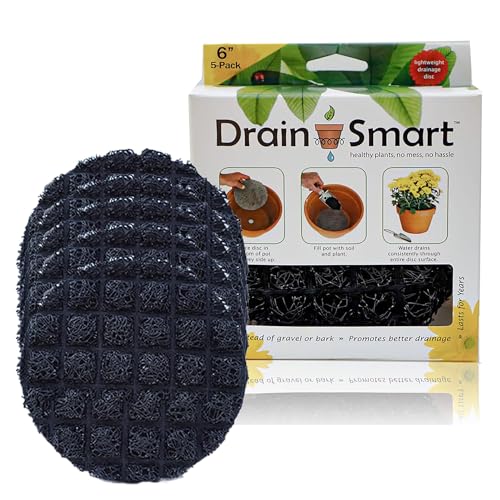
PLANT POT FILLER THAT REPLACES ROCKS & GRAVEL - Skip drainage rocks, gravel, and bark. Drain Smart is a clean, lightweight pot bottom filler that keeps drainage clear without the mess or added weight—so planting, repotting, and cleanup are easier.
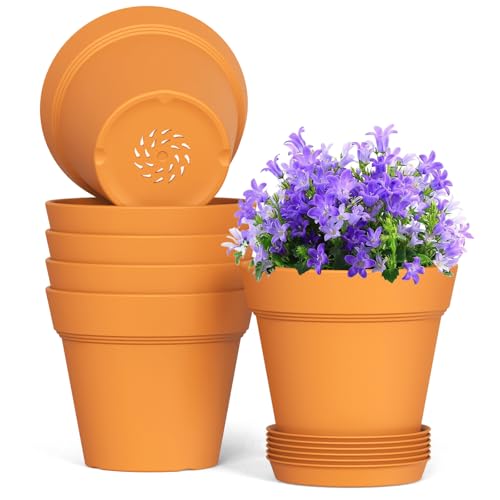
【DIY Friendly】Enjoy creative DIY fun by decorating these nursery pots with your kids — turn each planter pot into a meaningful keepsake! You can also grow a variety of small plants indoors or outdoors with your children, such as succulents, houseplants, mint, thyme, rosemary, basil, herbs, vegetables, cactus, and plant propagation

【DIY Friendly】Enjoy creative DIY fun by decorating these nursery pots with your kids — turn each planter pot into a meaningful keepsake! You can also grow a variety of small plants indoors or outdoors with your children, such as succulents, houseplants, mint, thyme, rosemary, basil, herbs, vegetables, cactus, and plant propagation
Hanging Planters for a Whimsical Touch
Editor’s Choice

More Than Just a Plant: How to Care for Your Plants as They Care for You

DiliComing Head-Planter Face-Planters Pot – 10 Inch Flower Pots Outdoor …

Gardening Gifts for Women, Garden Tool Set, Heavy Duty Gardening Hand To…
3. Wall-Mounted Planters for Small Spaces
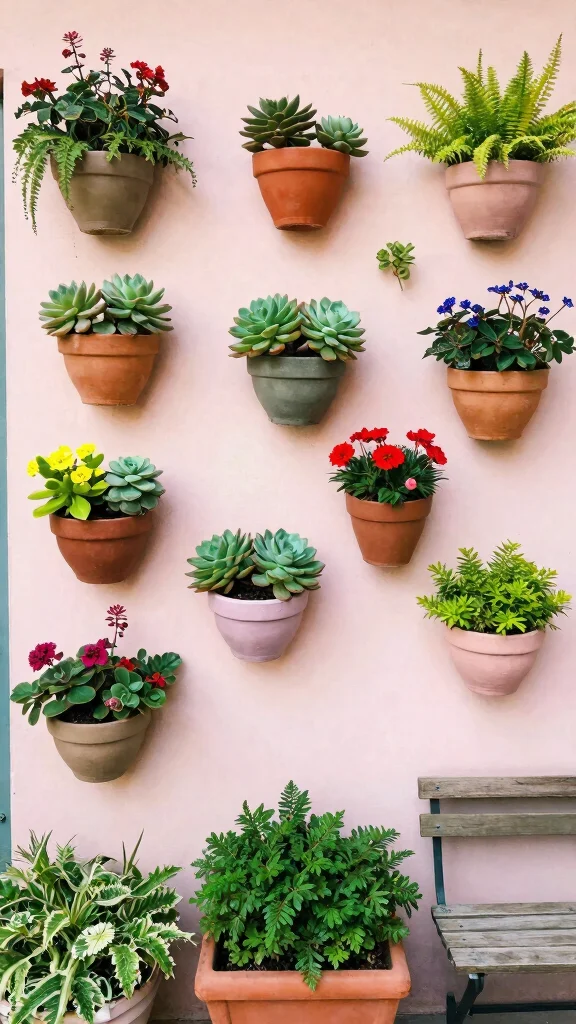
Wall-mounted planters are a brilliant solution for incorporating greenery into limited spaces. They can transform dull walls into beautiful living displays, bringing nature closer to your home. Ideal for urban settings or compact backyards, these planters serve as a unique way to showcase your gardening skills.
These planters can accommodate a variety of plants, from low-maintenance succulents to colorful flowers, allowing for endless customization. Experiment with geometric layouts or organic designs to suit your personal style and space requirements.
When selecting wall-mounted planters, remember to:
– Choose lightweight materials for easy installation.
– Ensure there are adequate drainage features to protect your plants.
– Mix textures and colors for a dynamically appealing look.
With wall-mounted planters, even the smallest balcony can bloom into a lush, captivating retreat filled with personality and charm!
Wall-Mounted Planters for Small Spaces prove that even tiny walls can bloom. By using vertical space, you bring color, greenery, and life without crowding your yard. Start with a simple succulent row or a bright floral strip—watch your outdoor planter ideas thrive.
Recommended Products

Abundant Autumn Display: Comes with 12, 24 or 36 bundles of artificial flowers with eucalyptus leaves, providing a full and lush look for your porch, window boxes, patios, or garden beds, perfect for creating a cozy fall ambiance indoors and outdoors

🌸 16 Bundles of Outdoor Artificial Flowers – Bring vibrant, lifelike color to any space without the maintenance. No watering, no wilting, no mess — just lasting beauty year-round.

Full & Layered Fall Artificial Flowers: This set includes 12 bundles of violet artificial mums flowers and 1 pieces of artificial burgundy grass, featuring 252 delicate blooms in 2 mixed colors. Each bouquet is designed with eucalyptus leaves for added texture and fullness, creating a beautiful layered fall floral display for outdoor planters, window boxes, porch decor, and indoor spaces.
📹 Related Video: How to Make a Living Plant Wall (DIY)
How To Choose The Right Outdoor Planters
Choosing the right outdoor planters can truly elevate your gardening game. With so many options available, it’s essential to make informed decisions that will suit your space and style. Here are some key factors to consider:
1. Size
Think about where you plan to place your planters. Measure the space you have available. Make sure the planters fit comfortably without overcrowding the area. A good rule of thumb is to leave at least a few inches of space around each planter for airflow and access. Remember, larger plants often need larger pots to grow effectively.
2. Material
Planters come in various materials, such as wood, plastic, ceramic, and metal. Each has its pros and cons. Wood offers a natural look but may rot over time if not treated. Plastic is lightweight and budget-friendly but may fade in the sun. Ceramic adds a stylish touch but can be heavy. Consider the climate in your area, as some materials handle extreme weather better than others.
3. Drainage
Proper drainage is crucial for plant health. Always choose planters with drainage holes at the bottom to prevent water from pooling. If you love a planter that doesn’t have drainage, consider adding a layer of pebbles at the bottom to help with water flow. You can also drill holes yourself if you’re handy!
4. Style
Think about your garden’s aesthetic. Do you prefer a modern look, rustic charm, or vibrant colors? The style of your planters should complement your home and the surrounding landscape. Colorful planters can add a delightful pop, while neutral tones can blend seamlessly. Mixing different styles can create a unique and dynamic garden space.
5. Budget
Planters come at various price points. Decide how much you’re willing to spend before shopping. Remember that while cheaper options may look appealing, investing in quality planters can save you money in the long run. They are likely to be more durable and require less replacement. Plan out your gardening budget to include soil and plants, too!
6. Mobility
If you want to change your garden’s look frequently or move plants indoors during colder months, consider lightweight and movable planters. Planters with wheels can be especially handy. If you have a sunny patio, you may want to move them around as the sun shifts throughout the day.
Pro Tip: Consider a combination of different planter sizes and materials for visual interest! A mix of vertical planters and hanging pots can add dimension to your garden.
Taking the time to choose the right outdoor planters will pay off in lush greenery and beautiful blooms. Keep these tips in mind to create a vibrant garden that brings color and life to every corner of your yard!
Recommended Products
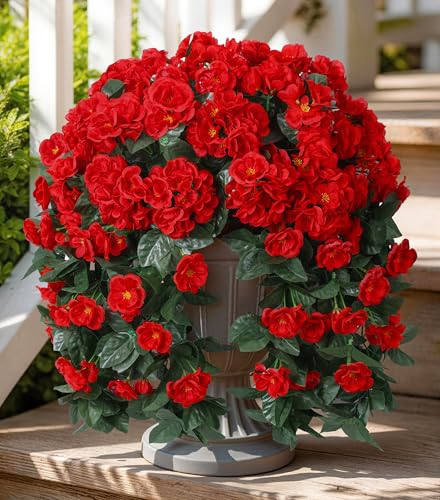
🌿 Generous Artificial Flowers for Outdoors: You will get 2 branches of artificial geraniums trailing flower long vines (Pot not Include), featuring dense foliage and cascading blooms—ready to drape over planters, urns, or hang from baskets for instant fullness.

Attention: Please carefully identify CISDUEO artificial geraniums from WAYANN store as brand channels to ensure that the actual product matches the picture. 4 Pcs artificial geranium flowers are bigger than normal artificial geraniums, we upgraded each flower head, the flower head size is 10cm/3.94 inches, there are 5 flower heads on each branch.

Realistic Appearance: Exquisite reproduction of Petunias flower form, with bright flowers and lush branches, adding a touch of natural beauty to any space.
Wall-Mounted Planters for Small Spaces
Editor’s Choice

HOME GROWN Succulent & Cactus Seed Kit for Planting – [Enthusiasts Fav…

XONOR 4Pcs Galvanized Metal Hanging Wall Planter, Rustic Wall Flower Vas…

Adjustable Planter Box Brackets,Enhanced Bottom Support,Universal Outdoo…
4. DIY Pallet Planters for Rustic Appeal
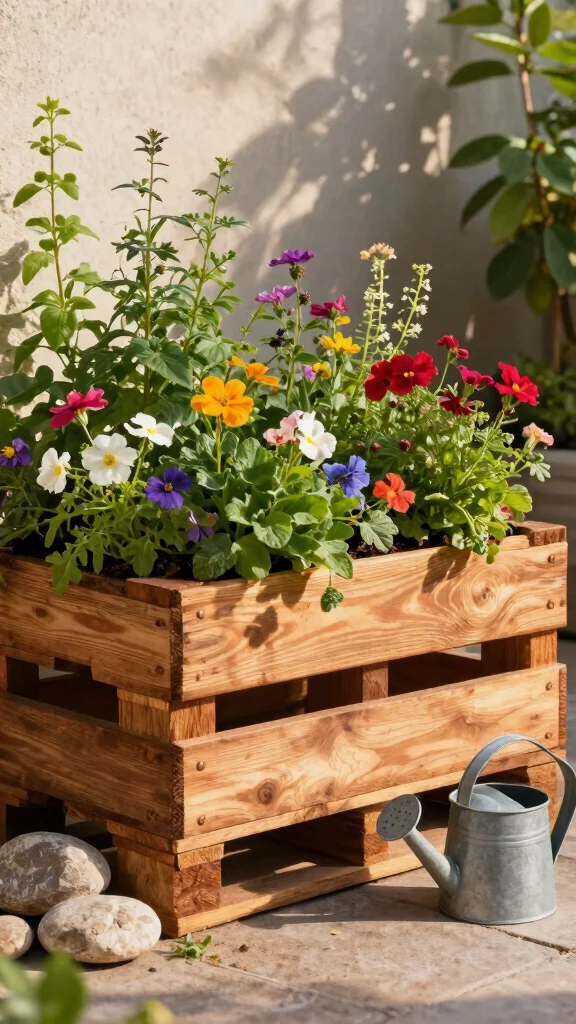
DIY pallet planters are a wonderful way to add rustic charm to your garden while making use of repurposed materials. They are simple to build and can be tailored to fit any area, providing a unique touch to your outdoor space. This approach not only looks great but also contributes to sustainability.
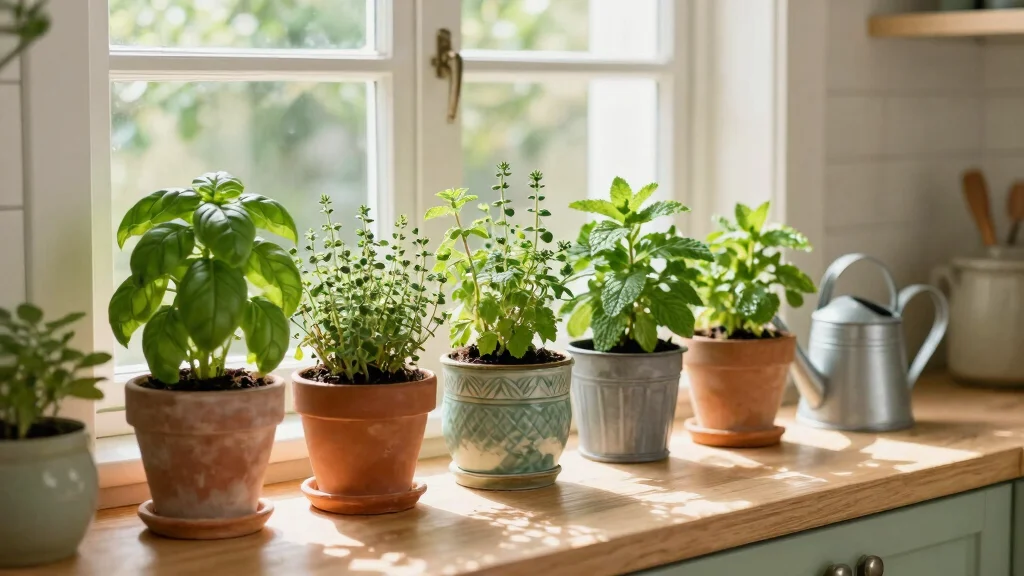
To get started, find a sturdy, clean pallet treated for outdoor use. Fill it with quality soil and plant a mix of colorful flowers, trailing vines, and even herbs for added functionality. This combination creates a stylish centerpiece that showcases your creativity.
Here are some tips for maximizing your pallet planter:
– Paint or stain the pallet to coordinate with your garden decor.
– Position it against a fence or wall for extra support.
– Consider adding a watering system for low-maintenance care.
These pallet planters can serve as stunning focal points, displaying not just plants but also your innovative spirit!
Did you know DIY pallet planters can be completed in an afternoon and repurpose scrap wood at the same time? As one of the practical outdoor planter ideas, seal, soil, and a mix of colorful flowers deliver rustic appeal and smart storage for small spaces.
Recommended Products

Space-Saving : This strawberry planter maximizes your gardening space by stacking 5 layers to grow more plants in a compact area. The strawberry tower planter is ideal for patios, balconies, or indoor use
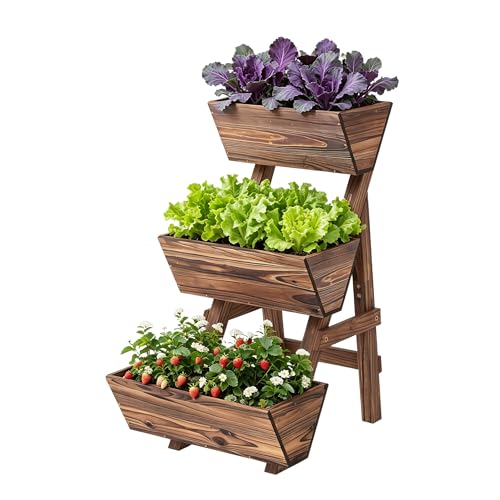
【Space-Saving 3-Tier Design】: The 3-tier planter box design will not take up too much floor space, which can separate and organize the sections as well as grow different kinds of plants. The trapezoidal design allows all plants to enjoy full sunlight for better growth. The box bottom of each tier is equipped with drainage holes to help drain excess water and prevent root rot

【4 Tier Vertical Raised Garden Bed】: Overall Dimensions: 16.8*18.3*41.5 inches. Each planter box size: 16.8*7.02*5.5 inches. This raised planter box works great on patios, balconies, decks and backyards. Designed vertically with proper height, it leaves ample growing space for lower-layer plants and saves you from frequent bending while gardening.
You might also like
DIY Pallet Planters for Rustic Appeal
Editor’s Choice

Heavy Duty Gardening Tools – Gardening Gifts for Women, Men, Mom, Dad – …
Miracle-Gro Organic Outdoor Potting Mix – Plant Soil for Outdoor Contain…
5. Corner Planters to Maximize Space
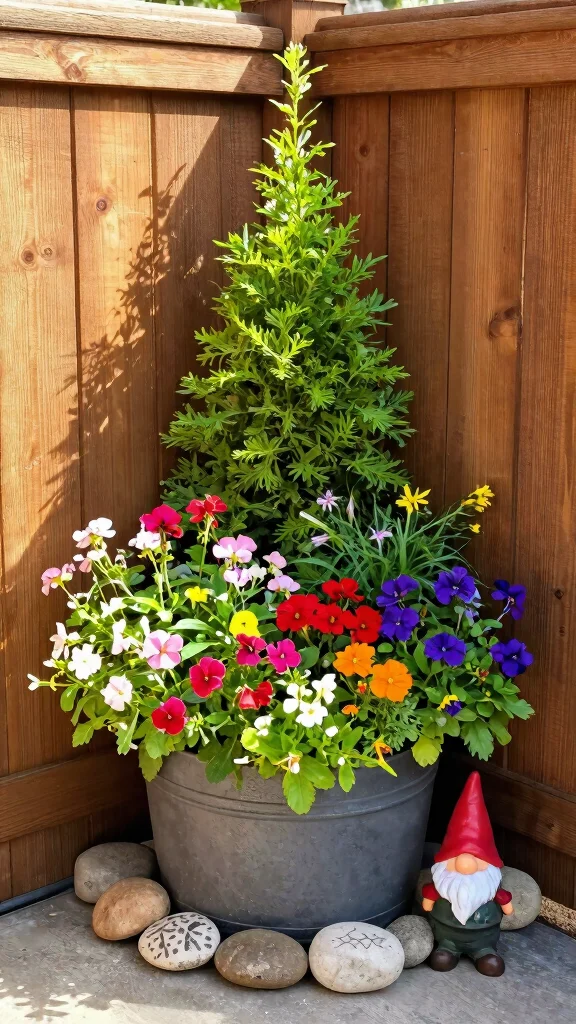
Corner planters are perfect for utilizing those often-neglected areas of your yard. By placing them against walls or fences, you can turn dull corners into vibrant gardens bursting with life and color. This clever use of space enhances both aesthetics and functionality.
These planters can accommodate a mix of flowers, shrubs, or even small trees, depending on your local climate and landscape design. Select plants that harmonize in height, color, and light requirements to create a cohesive look.
Consider these tips when designing your corner planters:
– Use angular or rounded shapes to soften the space.
– Incorporate native plants to ensure they thrive in your environment.
– Layer plants from tall at the back to short in the front for a stunning visual effect.
By incorporating corner planters, you’ll maximize your yard’s beauty while ensuring every inch is utilized effectively.
Recommended Products

SAVE FLOOR SPACE - Stackable vertical planter tower

High-quality Product: Thick, high-quality PP materials can be used repeatedly without fading, not easy to crack even in summer; Suitable for garden or indoor use
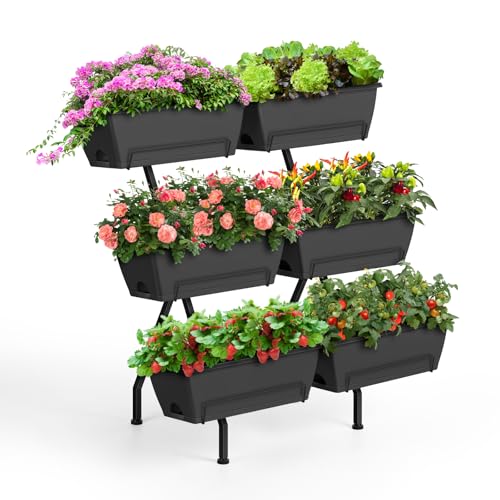
【Space-Saving Vertical Garden System】 Six stackable planters transform tight spaces into lush gardens – perfect for urban balconies, small patios, or indoor greenery. Strategically alternate herbs, flowers and vegetables across tiers to create your perfect mini ecosystem.
Corner Planters to Maximize Space
Editor’s Choice

Miracle-Gro Potting Mix – For Container Plants, Flowers, Vegetables, Shr…
6. Recycled Container Gardens for Eco-Friendly Flair
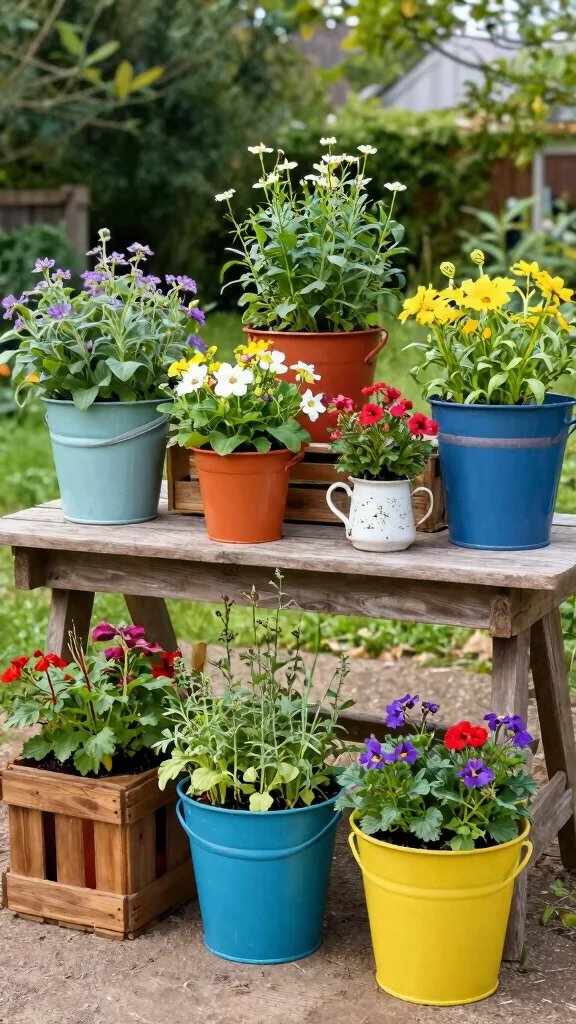
Using recycled containers as planters is a fun and eco-friendly way to express your creativity in the garden. Items like old buckets, crates, or even vintage teacups can become charming planters that add character to your space. This approach not only showcases your style but promotes sustainability in gardening.
These container gardens can be filled with colorful flowers, aromatic herbs, or cheerful succulents. They provide a delightful mix of beauty and functionality, sparking conversations about creativity and eco-conscious gardening.
Here are some tips for creating beautiful recycled container gardens:
– Ensure all containers have proper drainage holes.
– Choose cohesive color schemes for a polished appearance.
– Use similar styles for a harmonious arrangement.
With recycled container gardens, your yard will thrive while reflecting your dedication to environmental stewardship!
Recommended Products

VALUE PACK & IDEAL SIZE: Set of 5 plastic terracotta plant pots, each measuring 10 inches, perfect for medium to large plants such as snake plants, ficus, herbs and flowers. Great ideal for home and garden use.

🌴【DURABLE & NO FADE】this head/face planter is made of high quality resin, which is extremely durable,not afraid of sunlight or rain.//Eco-friendly spray paint,will not fade for long time use, suitable for indoor & outdoor."//*SIZE: H7.5" x W4.0" perfect size for home decoration.
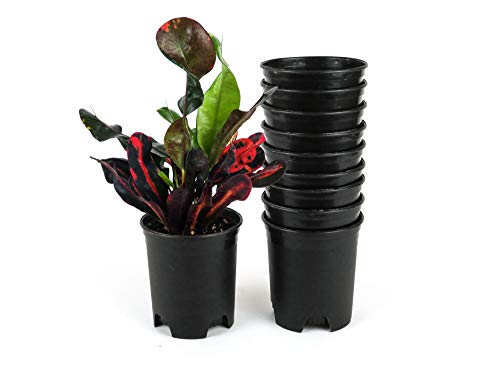
10-PACK 0.25 GALLON 4 Inch plastic nusery planter pots, great for indoor outdoor plants, flowers, succulents, herbs, orchids, vegetables, seedlings or cuttings
Recycled Container Gardens for Eco-Friendly Flair
Editor’s Choice

Winlyn Rustic Wooden Planter Box 17.3″ L x 3.9″ W x 3.9″ H Brown Rectang…

SnugNiture 2 Pcs 6x3x1ft Raised Garden Bed Kit, Outdoor Oval Metal Garde…

12 Inch Antique Metal Teacup Planter for Outdoor Plants Teapot Planter F…
7. Colorful Mixed Planters for a Bold Statement
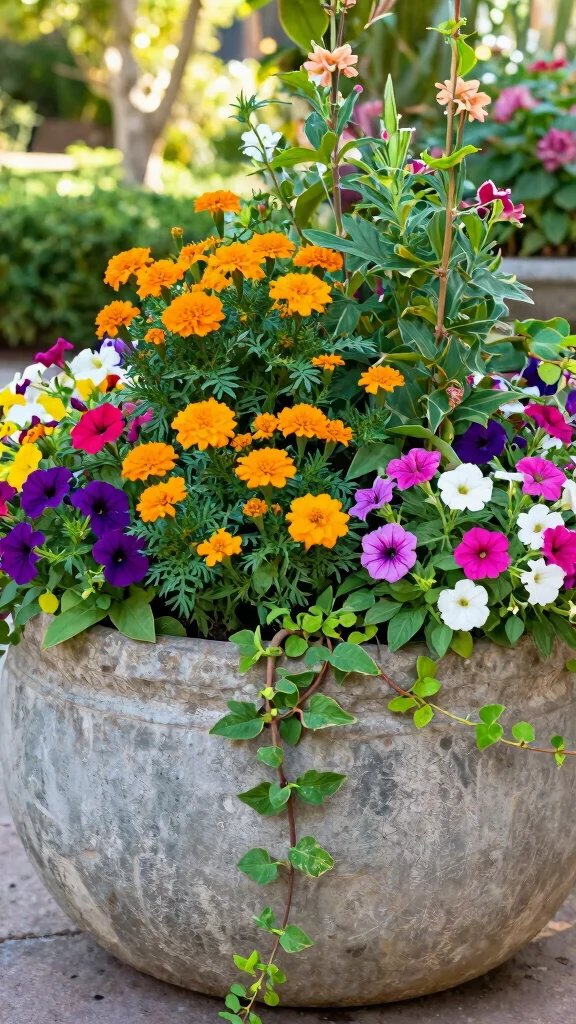
Colorful mixed planters can make a striking statement in any garden. By combining various plants with different colors, shapes, and textures, you create an attention-grabbing display that can serve as a focal point. Mixing annuals and perennials guarantees your planters will remain vibrant throughout the seasons.
A thoughtfully arranged mixed planter can draw the eye and enhance the overall look of your garden. Choose plants that bloom at different times to maintain color and interest all year round. Let your creativity shine by experimenting with unique plant combinations.
Here are some tips for arranging mixed planters:
– Layer colors for a gradient effect.
– Combine different foliage textures for added depth and contrast.
– Plan for seasonal rotations to keep your display fresh.
Bold mixed planters can transform your yard into a vivid showcase of nature’s beauty, creating a delightful experience for everyone who visits.


Colorful Mixed Planters for a Bold Statement
Editor’s Choice

8/10/12 Inch Self Watering Pots for Indoor/Outdoor Plants – Large Plasti…

Burpee, 9 Quarts | Premium Organic Potting Natural Soil Mix Food Ideal f…
Conclusion
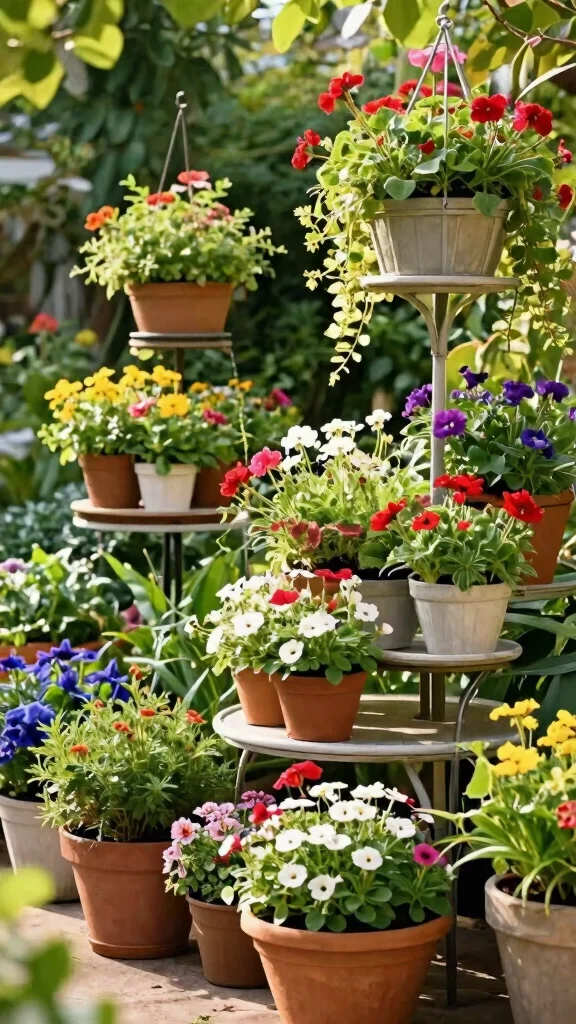
With these seven outdoor planter ideas, your garden can become a space bursting with color and life, no matter how small your area may be. From tiered stands to whimsical hanging designs, there’s something for everyone looking to enhance their outdoor environment. Experiment with different styles and arrangements to truly make your space unique and inviting.
So, gather your materials, pick your favorite plants, and get ready to transform your yard into an oasis of creativity and beauty!
Note: We aim to provide accurate product links, but some may occasionally expire or become unavailable. If this happens, please search directly on Amazon for the product or a suitable alternative.
This post contains Amazon affiliate links, meaning we may earn a small commission if you purchase through our links, at no extra cost to you.
Frequently Asked Questions
Question: What are the best outdoor planter ideas for small spaces using vertical planters?
Vertical planters are a game changer for compact yards.
Start with a sturdy wall-mounted unit, a freestanding tiered planter, or a pocket-sleeve system to create a green screen that’s full of color.
For a quick win, pair a tall vertical planter with a colorful arrangement of trailing annuals and compact perennials.
Think container gardening on multiple levels: mix herbs, flowering annuals, and leafy greens in different depths.
For DIY outdoor planters, you can build your own vertical wall using cedar boards or repurpose a pallet, line with landscape fabric, and add a drip irrigation line for easy care.
Drainage is key—use pots with drainage holes and a shallow tray to catch excess water.
When choosing colors, go bold with complementary or analogous palettes to create colorful plant arrangements that pop in any yard.
For landscaping with planters, keep the overall look cohesive by repeating one or two color notes across the vertical display.
Question: How do I choose plants for vertical outdoor planters in small spaces?
First, assess light and wind: sun lovers need 6+ hours; shade plants go in low-light corners.
Pick container gardening-friendly varieties with compact or trailing habits, such as trailing petunias, verbena, creeping thyme, small herbs, dwarf peppers, and compact ornamental grasses.
Plan layers: top for tall or trailing specimens, middle for color, bottom for trailing groundcovers.
Make sure the root depth matches your planter depth and use a well-draining potting mix.
Watering is crucial in vertical setups—drip irrigation or self-watering inserts can save you stress.
Rotate color schemes seasonally so you maintain a colorful plant arrangements look while keeping plants healthy.
If you’re DIY-ing, modular pockets or repurposed totes can adapt as lighting shifts in your yard.
Question: Can I DIY outdoor planters to create a colorful display without breaking the bank?
You absolutely can.
Start with inexpensive materials like cedar scraps, repurposed pallets, crates, or cinder blocks to build vertical or stand-alone planters.
Line wooden containers with landscape fabric and drill drainage holes.
Use inexpensive potting mix and fill with a mix of fast-growing annuals and sturdy perennials that tolerate container life.
For color, swap in new blooms each season or paint containers in a cohesive palette to tie the look together with landscaping with planters style.
Add a simple irrigation line or gravity-fed watering wand to keep maintenance low.
With a little patience, you’ll have DIY outdoor planters that deliver big impact without a big budget.
Question: What are beginner-friendly color combinations for container gardening and landscaping with planters?
Begin with classic, high-contrast combos: royal blue or lavender with sunny yellows, crisp white with hot pink, or lime greens with deep purples.
For colorful plant arrangements, mix flowering annuals with textured foliage for depth, and repeat a couple of colors across different planters to unify the look.
Pair flowers with leafy greens like hostas, ferns, or pilea to keep it interesting even when some plants aren’t blooming.
In landscaping with planters, consider seasonal shifts—plant cool-season colors in spring and bright warm tones in summer, then rotate in fall tones for a living, changing canvas.
Keep sun exposure in mind and choose heat-tolerant combos for south-facing spots.
Question: How should I arrange planters to maximize space and create a cohesive look in a yard?
Start by grouping planters in odd numbers (3, 5, 7) and vary heights to create visual interest without crowding paths.
Create a vertical focal point with one tall display and flank it with mid-height and low planters.
Repeat container types or color accents across the group to tie the space together under a single theme or palette.
Keep walkways clear and ensure drainage is handled — use saucers or drip trays.
For outdoor planter ideas, consider layering along fences, entryways, or patios and weave in landscaping with planters to extend color and greenery beyond traditional beds.
Finally, maintain balance by pruning routinely and rotating plantings to keep the display lively all season.
Related Topics
outdoor planter ideas
container gardening
vertical planters
colorful plant arrangements
DIY outdoor planters
landscaping with planters
small space gardening
easy gardening projects
seasonal planters
garden decor
beginner friendly
urban gardening