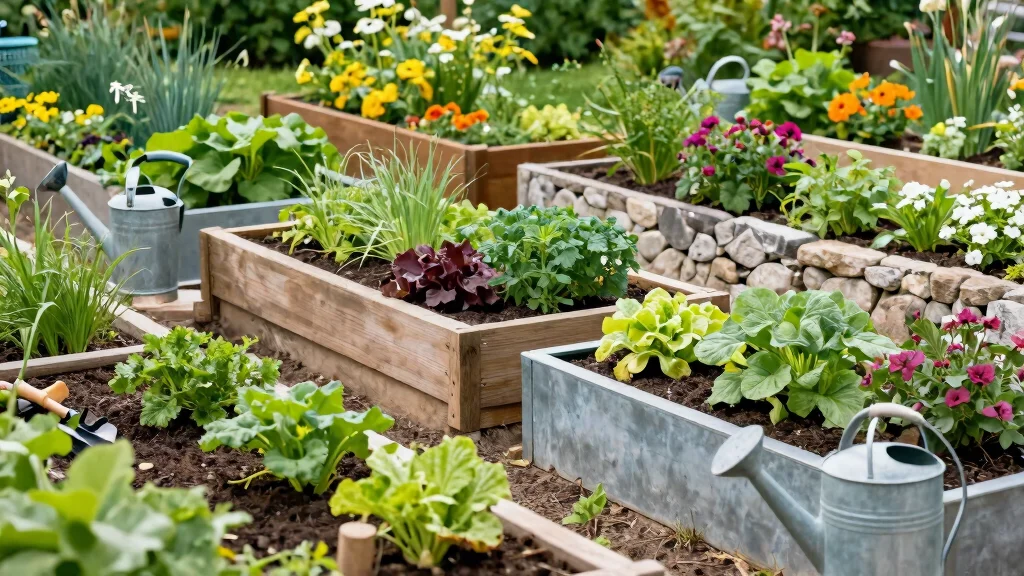
Gardening has a way of sparking joy and connection with nature, doesn’t it? Whether you’re a seasoned gardener or just starting out, there’s something magical about the idea of growing your own food. I created this post because I believe everyone should experience that joy, especially in our increasingly urbanized world. If you’re craving fresh veggies or fragrant herbs but feel limited by space, you’ve come to the right place.
If you’re someone who loves gardening but struggles with small spaces, this guide is tailored just for you. You’ll discover eight beautiful and practical raised garden bed ideas that not only maximize your growing potential but also add charm to your garden. These designs are not only functional but also sustainable, allowing you to cultivate your own food while enhancing your outdoor space.
Get ready to explore vertical towers, eco-friendly pallet planters, and more! You’ll walk away with creative inspiration and practical tips that make growing your own food rewarding and visually stunning. Let’s dig in!
Key Takeaways
– Maximize Space with Vertical Gardening: Learn how vertical towers can transform even the tiniest backyards into productive gardens, offering fresh produce without taking up much ground space.
– Eco-Friendly Pallet Planters: Discover how to use reclaimed pallets as planters, providing a stylish, sustainable option that encourages recycling while growing your favorite vegetables.
– Tiered Planters for Flavor Variety: Explore tiered planters that create a stunning focal point in your garden and make it easy to grow multiple types of plants in one raised bed.
– Add Color with Raised Bed Edging: Understand how colorful edging can enhance the appearance of your raised beds, making your garden not just productive but also visually appealing.
– Flexible Container Gardens: Find out why container gardens are a perfect solution for urban gardening, giving you the flexibility to move plants around based on sunlight and space needs.
1. Vertical Towers: Maximizing Space
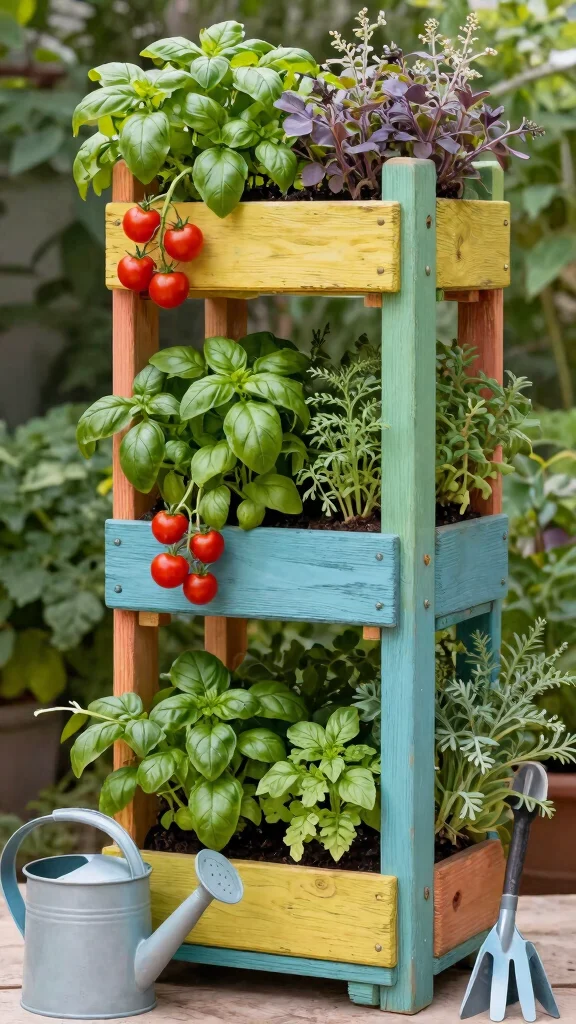
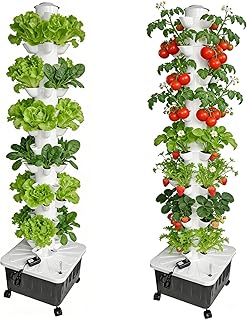
Are you longing for more garden space, but feel limited by your surroundings? Vertical towers are a clever solution that allows you to grow upwards, making the most of your small yard or balcony. Not only do they look stunning, but they also provide fresh produce right at your fingertips, like strawberries and herbs, all while enhancing air circulation and reducing disease risks.
Imagine harvesting juicy tomatoes or vibrant greens with ease, all while enjoying the beauty of your elevated garden. You can even paint these towers in your favorite colors or decorate them with charming pots for a personal touch. They’re a feast for the eyes and your taste buds!
Ingredients:
– Vertical garden tower (wood, PVC, or repurposed pallets)
– Soil (potting mix or organic)
– Plants (strawberries, peas, herbs, or climbing vegetables)
– Water for irrigation
Instructions:
1. Assemble your vertical tower according to the material instructions.
2. Fill each section with quality soil, leaving room for plants.
3. Plant your chosen vegetables or herbs in each tier.
4. Water thoroughly and consider a drip irrigation system.
5. Place in a sunny spot and watch them grow!
FAQs:
– Can I use any type of plant? Yes, choose plants that grow vertically, like tomatoes or cucumbers.
– Can I make it decorative? Absolutely, feel free to paint or add decorative pots for flair.
Fun fact: vertical towers are a powerful raised garden bed idea for small spaces—doubling or even tripling planting area in a tiny balcony. A single 4×4 ft setup can hold 20+ plants, boost air circulation, and keep herbs, strawberries, and tomatoes at reach.
Recommended Products
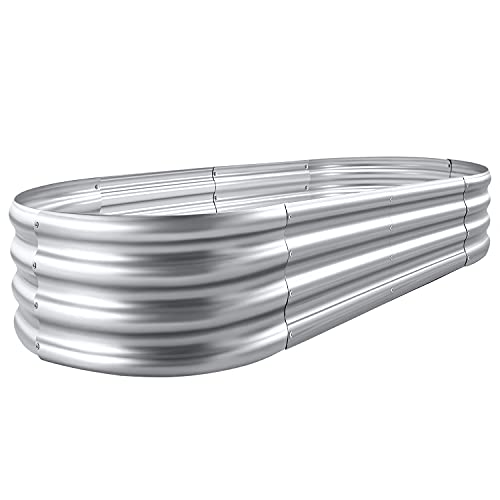
Each raised metal garden bed size: 4×2×1ft ,7.14Cu

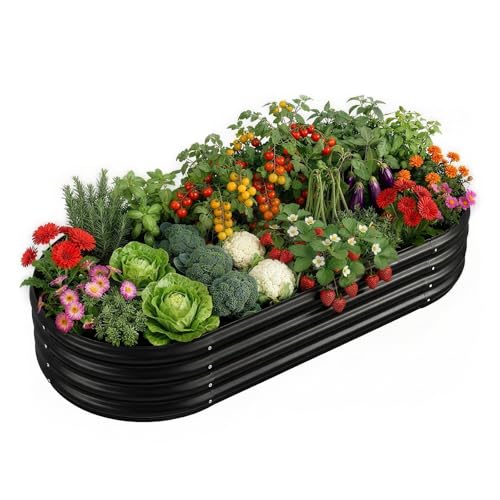
Professional grey raised metal garden bed size: 4×2×1 ft, 7cubic feet, you can grow vegetables, fruits, flowers, herbs and other plants in courtyards, yards, gardens and greenhouses.
Vertical Towers: Maximizing Space
Editor’s Choice

Craft911 Moss Pole Monstera Plant Support – 2 Pack 28” Bendable Moss…

Hydroponic Tower, 14-Layer Hydroponics Growing System Kit with 70 Slots,…

TOREVSIOR 5-Tier Vertical Raised Garden Bed, Vertical Garden Planter wit…
2. Pallet Planters: Eco-Friendly Farming
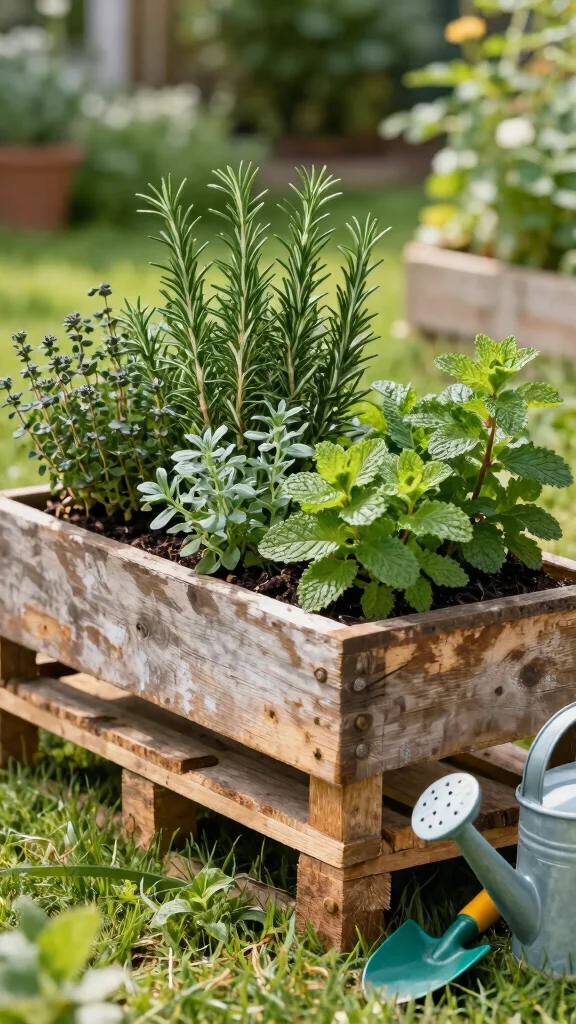
Looking for a creative way to grow your own herbs while being kind to the planet? Pallet planters are your answer! They’re not just budget-friendly; they give you a charming rustic aesthetic while efficiently utilizing space. Simply fill them with soil and your favorite small veggies or herbs, and you’re on your way to a beautiful garden.
These planters allow you to embrace sustainable gardening by repurposing materials that would otherwise go to waste. Plus, they add a unique vibe to your outdoor space that will surely catch the eye of your neighbors.
Ingredients:
– 1 wooden pallet (make sure it’s safe for planting)
– Organic soil mix
– Plants (herbs, small vegetables)
– Optional: wood treatment for preservation
Instructions:
1. Lay the pallet flat or stand it upright, depending on your design.
2. Treat the wood if desired to prevent rot.
3. Fill the openings with organic soil.
4. Plant your herbs or greens and water gently.
5. Position your pallet where it gets plenty of sunlight.
FAQs:
– Can I use treated pallets? It’s safer to use untreated pallets to avoid chemicals.
– Can I grow flowers in pallet planters? Yes, they look beautiful with flowers too!
Recommended Products

Indoor Herb Garden Planter with Tray - Add greenery to your home with this vintage metal windowsill planter. Herb planters for indoor plants with a farmhouse touch. Place the indoor herb planter on your kitchen counter or display the small herb planter as an apartment window planter.

An indoor herb garden:Our herb planter is the perfect solution for creating an indoor herb garden. It is a planter set with a tray, and it does not include plants and seeds. These planters are designed specifically for herbs and are suitable for indoor or outdoor use. Made of durable metal with a glossy white finish, they are not only functional but also add a farmhouse touch of style to your space.

Drain Holes Design -- Window planter box design with many small drain holes,prevent excessive watering, maintain soil drainage and ventilation.
📹 Related Video: Creative way to Upcycle Pallets into flower planter box | DIY Garden ideas
Pallet Planters: Eco-Friendly Farming
Editor’s Choice

HOME GROWN Herb Seeds for Planting 15-Pack Massive Seed Count 4,300+ See…
3. Tiered Planters: A Stairway to Flavor
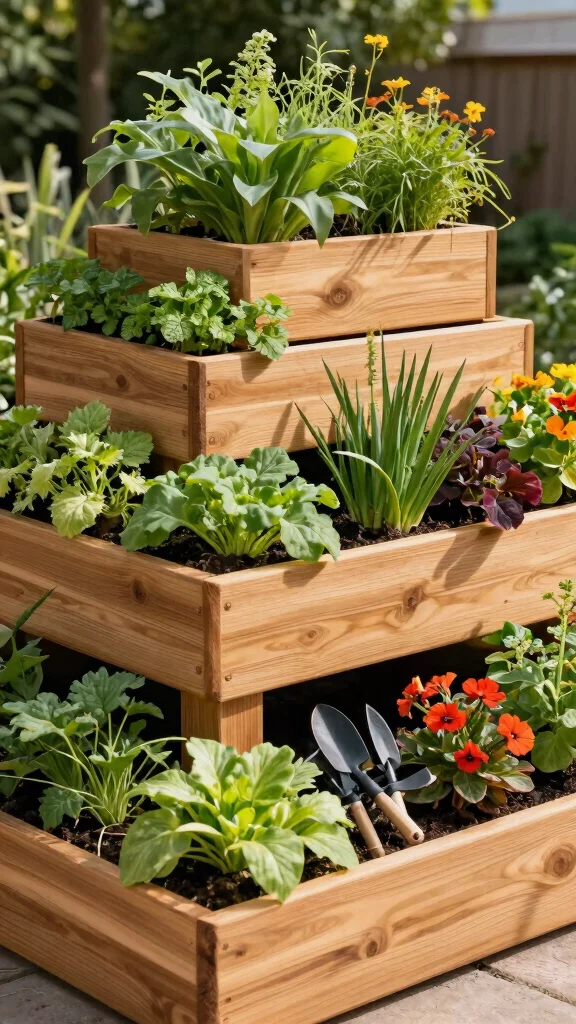
Do you want to add visual interest to your garden while growing a variety of plants? Tiered planters are the perfect solution! They not only look beautiful with their multi-level design but also allow you to grow crops that thrive at different soil depths, maximizing your garden’s potential.
Imagine a cascade of colorful veggies and herbs, all neatly arranged for easy access and maintenance. With tiered beds, you can enjoy the beauty of your garden while reducing strain on your back when tending to your plants.
Ingredients:
– Wood or stone for the tiers
– Quality garden soil
– A variety of plants (leafy greens, root veggies)
– Optional: companion plants like marigolds
Instructions:
1. Build or arrange your tiered planter structure.
2. Fill each tier with rich garden soil.
3. Plant your selected crops, ensuring proper spacing.
4. Water thoroughly and monitor growth.
5. Consider companion planting for enhanced growth.
FAQs:
– Can I use different materials for tiers? Yes, mix materials for a unique look.
– Can I grow flowers in tiered planters? Absolutely, they add color and attract pollinators!
Fun fact: Tiered planters can increase usable planting space by up to 60% in small yards, a clever win for raised garden bed ideas. This stair-step setup adds color, makes herbs and greens easier to harvest, and reduces back strain.
Recommended Products

Space-Saving : This strawberry planter maximizes your gardening space by stacking 5 layers to grow more plants in a compact area. The strawberry tower planter is ideal for patios, balconies, or indoor use

【Perfect Design】The perfect solution for any gardening enthusiast who wants to save space and grow plants in style! Our vertical garden planter is not only functional but also aesthetically pleasing, adding a touch of elegance to any outdoor or indoor space.

Grow 16 Plants in Just 1 Square Foot Maximize your harvest with this vertical planter tower featuring 4 stackable tiers and 16 planting sites. Perfect for strawberries, herbs, lettuce, and small vegetables in tight spaces.
Tiered Planters: A Stairway to Flavor
Editor’s Choice

Grenebo Gardening Tools 9-Piece Heavy Duty Garden Hand Tools with Fashio…

Espoma Organic Raised Bed Mix – All Natural and Organic Potting Soil Mix…

Raised Garden Beds with 6 Garden Planter Boxes Indoor Outdoor Vertical R…
4. Raised Bed Edging: A Splash of Color
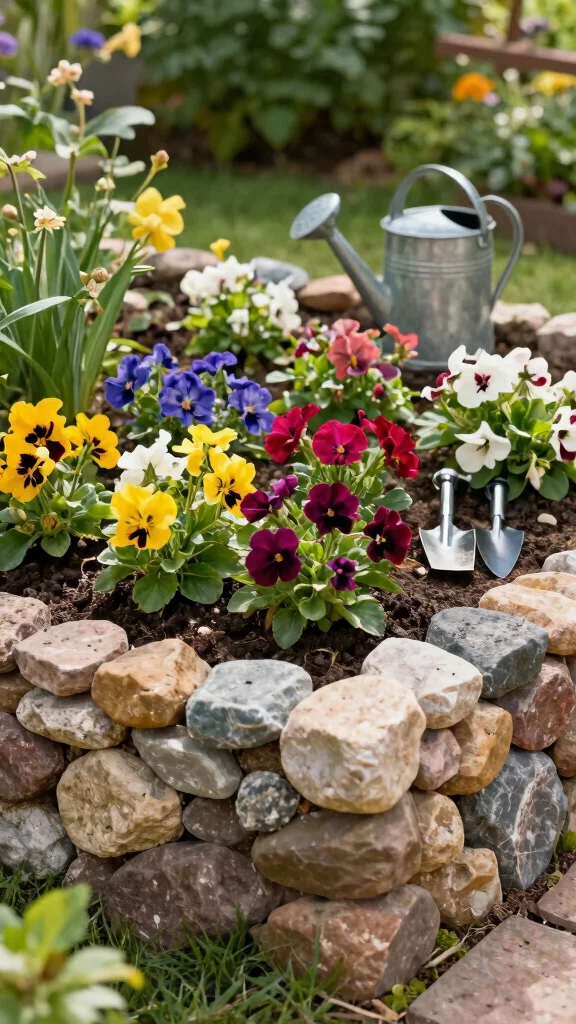
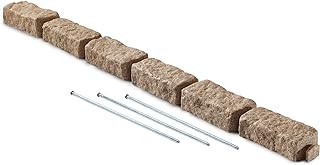
Are your raised garden beds looking a bit dull? Adding edging can enhance their beauty while keeping your plants secure and healthy. Whether you prefer colorful stones, bricks, or wood, the right edging not only frames your garden beautifully but also prevents soil erosion and weed growth.
Picture your vibrant flowers and vegetables neatly contained, creating an inviting garden space. Plus, the edging makes maintenance a breeze by keeping everything in place and organized.
Ingredients:
– Edging material (stones, bricks, wood)
– Soil for filling
– Plants to arrange within the edges
Instructions:
1. Choose your edging material and measure your raised bed.
2. Arrange the edging around the bed to form a border.
3. Fill the bed with quality soil.
4. Plant your flowers or vegetables, arranging them within the edging.
5. Water and enjoy your beautiful garden!
FAQs:
– Can I use any material for edging? Yes, choose what fits your garden style best.
– Can I plant within the edging? Yes, planting flowers can create a charming border.
You might also like
Raised Bed Edging: A Splash of Color
Editor’s Choice
Beuta Landscape Edging | Garden Edging Border | Faux Stone Bricks for La…

Imitation Stone Garden Fence-DIY Garden Edging Border,2026 Creativity Im…

Rustic Pine Wood Garden Fence – 13.1ft L*12in H Easy to Install Sturdy W…
5. Hanging Garden Beds: Vertical Elegance
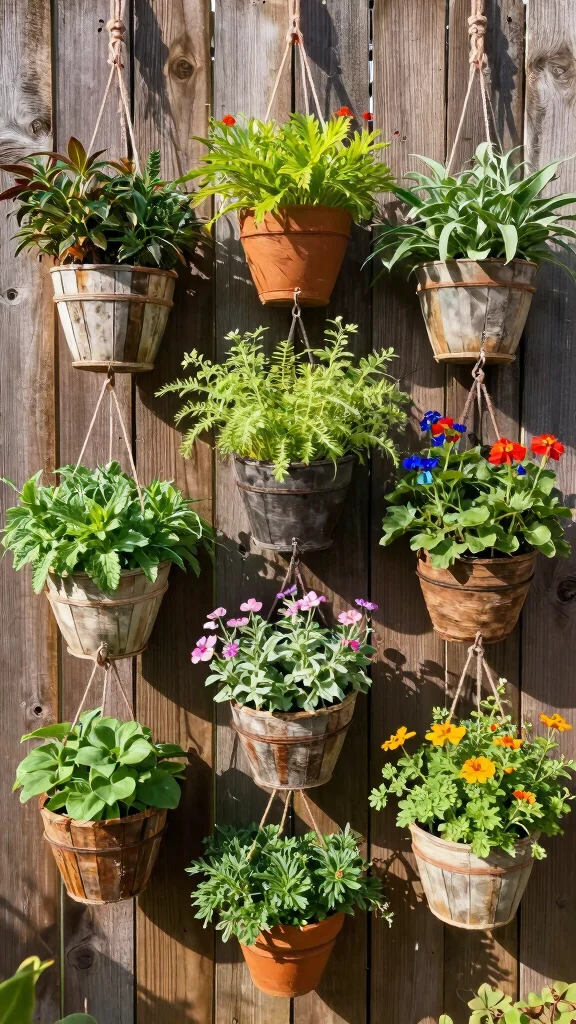
Have you ever wanted to grow a garden but felt limited by space? Hanging garden beds are a fantastic solution! These vertical planters can be suspended from walls, fences, or railings, making them perfect for small areas. They not only save ground space but also create a stunning visual display.
Imagine a cascade of colorful herbs or trailing flowers, easily accessible for cooking or decoration. Hanging gardens are not just practical; they add a unique flair to your outdoor space while keeping pests at bay.
Ingredients:
– Sturdy containers (hanging baskets or vertical planters)
– Potting soil
– Plants (herbs like basil, trailing flowers)
– Optional: support hooks or brackets
Instructions:
1. Select and prepare your containers for hanging.
2. Fill with potting soil, leaving room for plants.
3. Plant herbs or flowers, ensuring good drainage.
4. Hang in a sunny spot and water regularly.
5. Enjoy the beauty and convenience of your hanging garden!
FAQs:
– Can I use any type of plant? Yes, choose plants that thrive in vertical spaces.
– Can I move them easily? Yes, containers are portable for optimal sunlight exposure.
Recommended Products
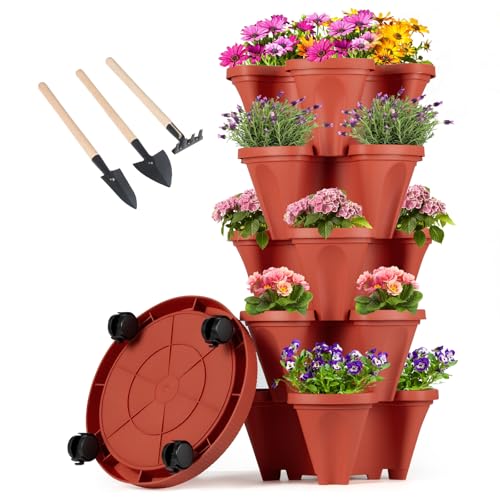
SAVE FLOOR SPACE - Stackable vertical planter tower
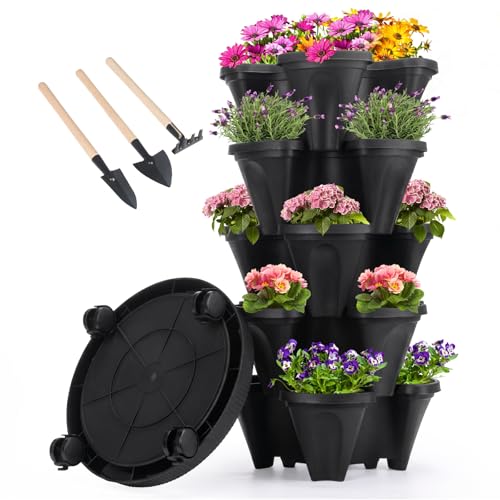
SAVE FLOOR SPACE - Stackable vertical planter tower

Space-Saving Vertical Gardening: Maximize your growing potential with staggered tiered planting! By smartly utilizing vertical space through height-varied layers, this planter lets you grow more plants while saving precious floor space—good for compact balconies, cozy patios, or tight indoor corners.
Hanging Garden Beds: Vertical Elegance
Editor’s Choice

8/10/12 Inch Self Watering Pots for Indoor/Outdoor Plants – Large Plasti…
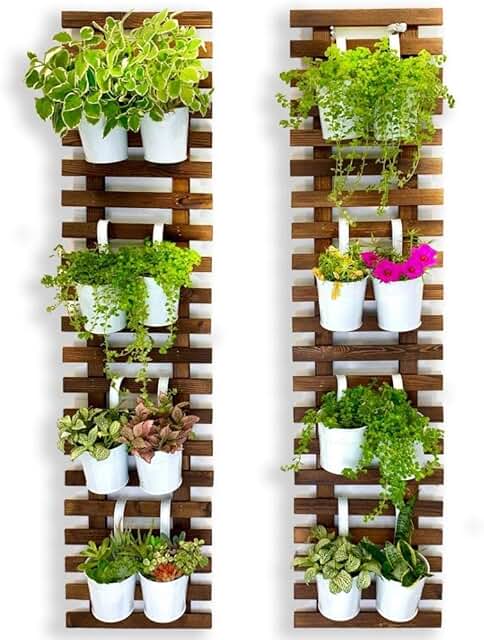
ShopLaLa Wall Planter – 2 Pack, Wooden Hanging Large Planters for Indoor…

ZeeDix 2 Pack 14 Inch Hanging Baskets for Plants Outdoor, Metal Wire Rou…
6. Circular Raised Beds: A Fresh Perspective
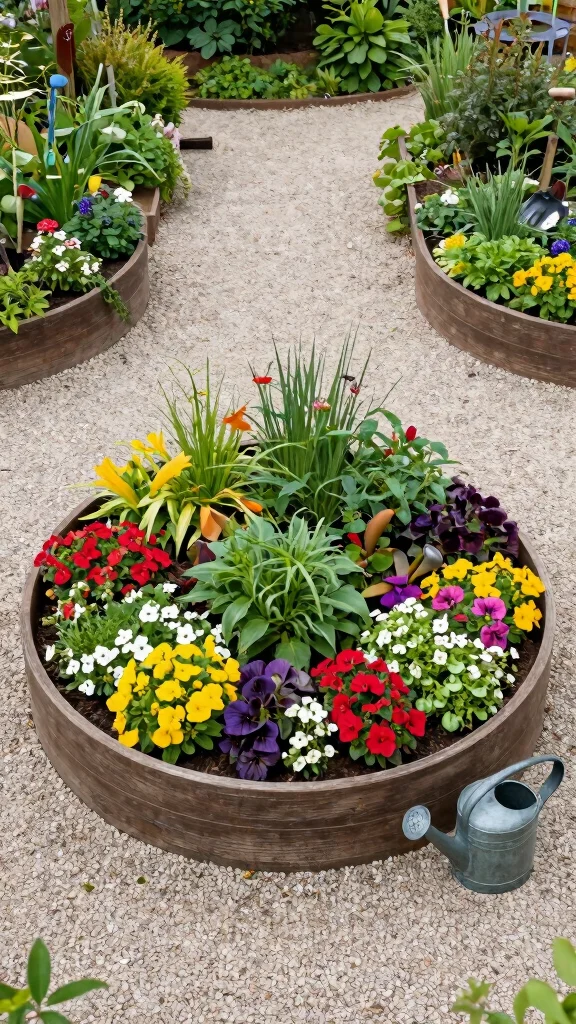
Are you looking for a unique way to enhance your garden layout? Circular raised beds can add a fresh perspective to your gardening experience. These round beds can be positioned in the center of your garden, allowing easy access to plants from all angles while creating a striking visual centerpiece.
Imagine a colorful patchwork of flowers and vegetables that softens the garden’s overall look, creating a harmonious flow. Circular beds can also promote better growth, making them a smart choice for any gardener.
Ingredients:
– Materials for building circular beds (wood, stone)
– Quality garden soil
– A mix of plants (flowers, vegetables)
– Optional: decorative stones for surrounding
Instructions:
1. Construct your circular raised bed using chosen materials.
2. Fill with nutrient-rich garden soil.
3. Plant a variety of crops in the bed.
4. Water consistently and monitor growth.
5. Enjoy the unique shape and accessibility of your circular garden!
FAQs:
– Can I plant different types of plants together? Yes, mixing plants can enhance growth and beauty.
– Are circular beds harder to maintain? No, they simplify access for weeding and watering.
Circular Raised Beds: A Fresh Perspective
Editor’s Choice
Espoma Organic Raised Bed Mix – All Natural and Organic Potting Soil Mix…
7. Container Gardens: Flexibility at Its Finest
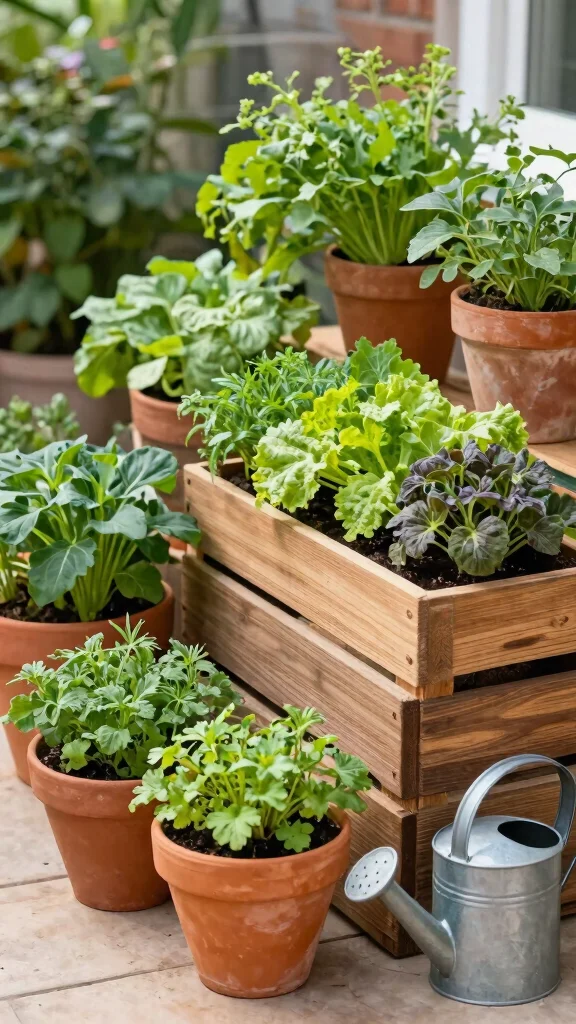
Do you want the freedom to grow your favorite plants anywhere? Container gardens are the perfect solution for gardening enthusiasts with limited space. These portable raised beds allow you to create a unique garden design using various containers, from terracotta pots to wooden crates.
Imagine arranging colorful flowers and fresh herbs that you can move around to catch the sunlight. With container gardens, you can customize your planting style and create a stunning display that suits your lifestyle.
Ingredients:
– Various containers (pots, crates)
– Quality potting soil
– A mix of plants (vegetables, herbs, flowers)
– Optional: trellises for climbing plants
Instructions:
1. Choose your containers and ensure they have drainage holes.
2. Fill with potting soil, allowing space for plants.
3. Plant your selected crops, mixing colors and types.
4. Water regularly and move containers for optimal sunlight.
5. Enjoy your flexible and beautiful container garden!
FAQs:
– Can I use any container? Ensure it’s safe for plants and has drainage.
– Can container gardening be expensive? Not necessarily; you can find budget-friendly options!
Key Trade-offs & Our Top Pick
When choosing a raised garden bed idea, you have several options. Each one has its advantages and drawbacks. Let’s break down some popular choices so you can make an informed decision.
1. Vertical Towers
– Pros:
✔ Saves space in small yards.
✔ Allows you to grow multiple plants in a small footprint.
✔ Easier to maintain and harvest than traditional beds.
– Cons:
🚫 May require more frequent watering due to drainage.
🚫 Can be more expensive to build initially.
🚫 Limited plant selection, as not all plants thrive in vertical setups.
– Best for: Small spaces where gardening real estate is limited, such as urban backyards or balconies.
2. Pallet Planters
– Pros:
✔ Recycles old pallets, making it an eco-friendly choice.
✔ Inexpensive to create; often free if you can find pallets.
✔ Offers a rustic look that fits well in garden aesthetics.
– Cons:
🚫 Pallet wood might be treated with chemicals, which could affect plants.
🚫 May require more effort to ensure proper drainage.
🚫 Limited depth for root growth, restricting certain vegetables.
– Best for: Budget-conscious gardeners looking for a DIY project with a unique touch.
3. Tiered Planters
– Pros:
✔ Creates a visually appealing staggered layout.
✔ Offers variety in planting heights, making it easier to reach.
✔ Can accommodate different types of plants in one space.
– Cons:
🚫 Can require more materials and time to build.
🚫 Might need a larger footprint than traditional single-level beds.
🚫 Maintenance can be trickier as you manage different planting levels.
– Best for: Gardeners who want a beautiful display while maximizing plant variety.
4. Hanging Garden Beds
– Pros:
✔ Adds vertical interest and saves ground space.
✔ Great for herbs and small vegetables.
✔ Can double as decor for patios or balconies.
– Cons:
🚫 Requires good anchoring to handle weight.
🚫 Limited to lighter plants due to structural constraints.
🚫 Needs regular watering and might require a drip irrigation system.
– Best for: Urban gardeners wanting to beautify their space while maximizing their growing area.
5. Circular Raised Beds
– Pros:
✔ Allows easy access from all sides for maintenance.
✔ Offers a unique aesthetic that stands out in gardens.
✔ Great for grouping plants based on height or type.
– Cons:
🚫 More complex to construct than rectangular beds.
🚫 May take up more space than necessary for some setups.
🚫 Harder to manage if not placed in a sunny spot, as some plants may not receive enough light.
– Best for: Gardeners who want to create a focal point or design element in their outdoor space.
Expert Recommendation:
Best Overall: Vertical Towers
Vertical towers stand out as the best overall choice for most people. They maximize space efficiently while allowing you to grow a variety of plants in a compact area. You save on ground space, making them ideal for urban gardening. They are relatively easy to use, and with proper planning, you can ensure long-term durability. If you’re limited by space but still want a flourishing garden, vertical towers are a smart option to consider!
Why We Picked This:
While vertical towers are our top pick, some may prefer pallet planters for their budget-friendliness or tiered planters for their aesthetic appeal. Each option has its unique charm and function. The best choice depends on your gardening goals, space, and personal style.
Recommended Products

Spacious 5-Tier Growing Area: Designed with 5 separate planting boxes, this garden planter provides generous room for growing fruits, succulents, vegetables, or colorful flowers while keeping your gardening area neatly organized in one place.

【Perfect Design】: The 3-tier planter box design will not take up too much floor space, which can separate and organize the sections as well as grow different kinds of plants. In addition, the trapezoidal design allows all plants to enjoy full sunlight for better growth. The box bottom of each tier is equipped with drainage holes to help drain excess water and prevent root rot

【4 Tier Vertical Raised Garden Bed】: Vertical garden planter size: 16.8*18.3*41.5 inches. Planter box size: 16.8*7.02*5.5 inches. The compact size enables our raised planter box to fit well in your patio balcony, deck, or backyard. The vertical design with suitable height will not restrict the growth of the lower level plants and keep away from the constant bending plantation work.
Container Gardens: Flexibility at Its Finest
Editor’s Choice

Orceler 6 inch Terracotta & Clay Pots for Plants with Saucer, Medium Ter…

Winlyn Rustic Wooden Planter Box 17.3″ L x 3.9″ W x 3.9″ H Brown Rectang…

Self-Watering Hanging Planters for Indoor Plants Set 2-Piece Includes Pl…
8. Garden Bed Combinations: Mixing It Up
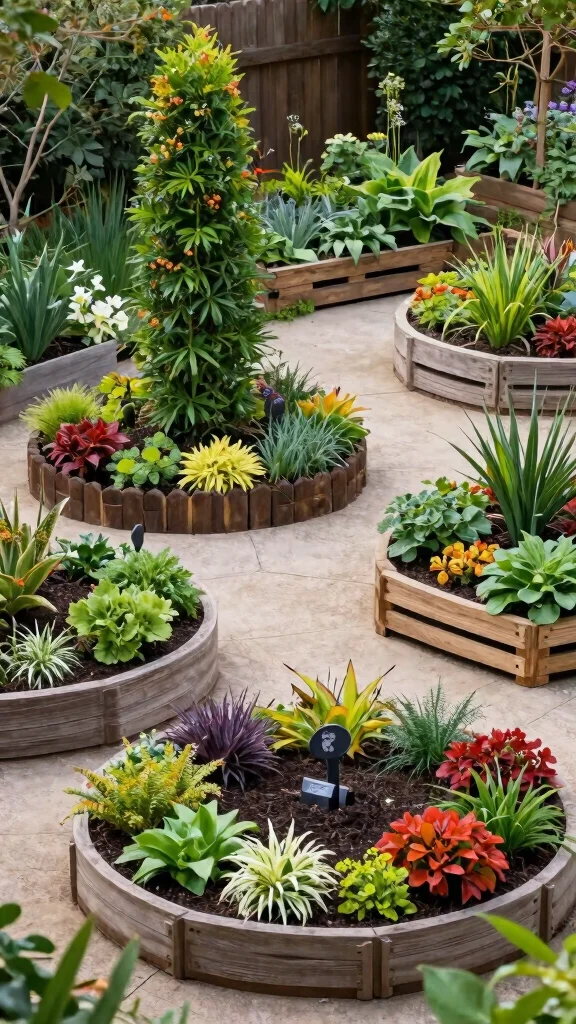
Why settle for one style when you can create a vibrant mix of raised garden beds? Combining different designs not only enhances the aesthetics of your garden but also maximizes your growing potential. By using a variety of vertical, circular, and pallet beds, you can add diversity and excitement to your outdoor space.
Imagine an artful landscape that showcases the best of each bed type, all while promoting a healthier ecosystem. This approach allows you to tailor your gardening experience to suit the specific needs of your plants and your personal style.
Ingredients:
– Materials for various bed types (wood, pallets, stones)
– Quality soil for filling
– A mix of plants for diversity
– Optional: decorative elements like garden markers
Instructions:
1. Plan your layout, deciding where to place each bed type.
2. Build or arrange your beds according to your design.
3. Fill each bed with appropriate soil.
4. Plant a variety of crops in various styles.
5. Maintain with pathways for easy access and enjoy your personalized garden!
FAQs:
– Can I mix all types of beds? Yes, feel free to combine any designs you like.
– Will it be harder to maintain? No, pathways can make access easier for maintenance.
Fun fact: Mixing bed styles can boost yields by up to 35% in small spaces. By using vertical, circular, and pallet raised garden bed ideas, you create microclimates, better drainage, and a vibrant, productive landscape you can harvest from all season.
Garden Bed Combinations: Mixing It Up
Editor’s Choice

BIUWING Extra Large Plant Repotting Mat,Thickened Waterproof for Indoor …
TOREVSIOR 5-Tier Vertical Raised Garden Bed, Vertical Garden Planter wit…

SnugNiture Raised Garden Bed, 2×2×1.5ft Round Galvanized Outdoor Plant…
Conclusion
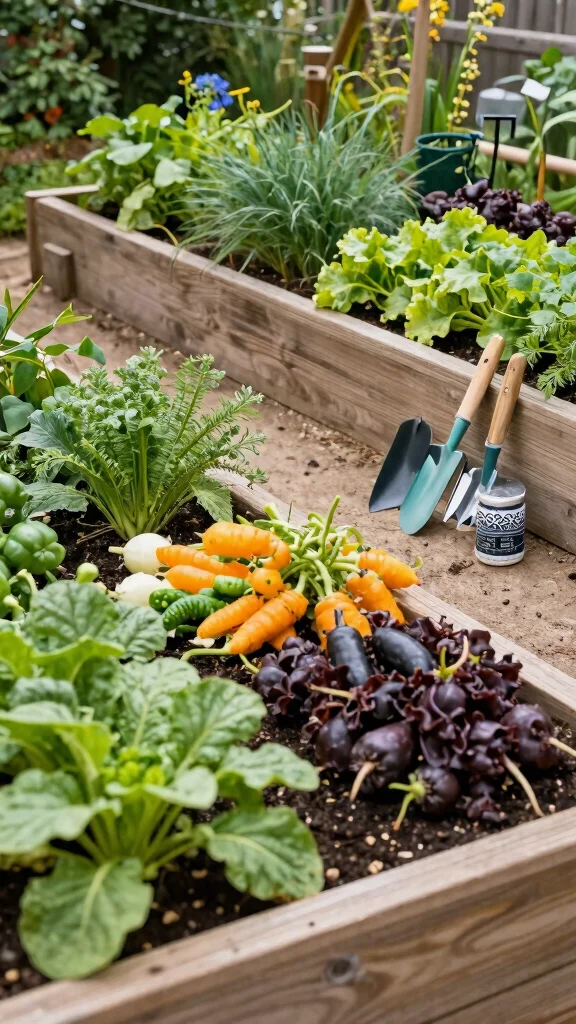
Incorporating raised garden beds into your space can be a game changer for urban gardening. With these eight creative ideas, you can transform any small area into a lush, productive garden that not only yields fresh produce but also enhances your home’s aesthetic.
Whether you opt for vertical gardens, tiered planters, or unique combinations, the joy of growing your own food while beautifying your surroundings is immensely rewarding. So roll up your sleeves and start your gardening adventure today!
Note: We aim to provide accurate product links, but some may occasionally expire or become unavailable. If this happens, please search directly on Amazon for the product or a suitable alternative.
This post contains Amazon affiliate links, meaning we may earn a small commission if you purchase through our links, at no extra cost to you.
Frequently Asked Questions
What are some easy raised garden bed ideas for growing food in small spaces?
Small-space gardeners can still grow a thriving harvest with practical raised garden bed ideas designed for efficiency. Here are a few to start:
– Vertical wall planters using cedar boards, lattice, or repurposed pallets to stack greens up the wall;
– Tiered or stacked beds that use vertical height to fit more crops in the same footprint;
– Narrow, long raised beds tucked along fences, balconies, or pathways;
– Built-in bench beds that combine seating with edible planting;
– Trellised planters that support cucumbers, beans, or tomatoes in a compact frame.
Getting started: choose a sunny spot, select durable materials, fill with a rich, well-draining soil mix, and plant with succession crops to maximize yield. raised garden bed ideas for small spaces make the most of every inch.
How can I design vertical raised garden beds for small spaces?
Designing vertical raised garden bed designs is all about height, accessibility, and drainage. Start with a frame no more than 2–4 feet wide so you can reach the center from either side, then attach a sturdy trellis or lattice for vines. Use rot-resistant materials (like cedar or redwood) and ensure plenty of drainage with a breathable soil mix. Fill with a nutrient-rich blend and line with a light barrier to keep weeds down. Install a simple drip or soaker irrigation to keep things moist without overwatering. Choose compact crops such as leafy greens, herbs, bush beans, and small tomatoes for best results.
Urban gardening tips: keep the design modular so you can add or reconfigure as needed.
Which vegetables thrive best in raised beds when space is limited?
In tight spaces, focus on fast, high-yield vegetable garden ideas like leafy greens (lettuce, spinach, kale), radishes, bush beans, carrots, and compact varieties of tomatoes and peppers. Use succession planting to keep harvests coming, and choose determinate or dwarf varieties that stay manageable in a small raised bed. Add herbs like basil, parsley, and cilantro nearby for flavor wins and pollinator support. Practical tip: group short-season crops together and stagger sowings every few weeks to maximize space and ongoing harvests.
What DIY tips help me build durable and affordable raised garden beds?
DIY garden beds can be sturdy, affordable, and tailor-made for your space. Consider using rot-resistant lumber (like cedar) or local reclaimed materials for cheaper builds. Aim for common sizes (for example, 4×6 feet) to keep soil volume manageable and access convenient. Use corrosion-resistant hardware, add a weed barrier and proper drainage, and line the interior with a light barrier to protect soil and crops. Fill with a high-quality, sandy loam mix blended with compost, and top with mulch to conserve moisture. This approach aligns with DIY garden beds that last season after season.
How can I keep raised bed gardening sustainable with minimal effort?
Sustainability comes from smart watering, soil health, and minimal waste. Set up a simple drip irrigation system or soaker hose to conserve water, and mulch generously to reduce evaporation. Build a composting area for kitchen scraps and garden clippings to enrich your soil with sustainable gardening practices. Practice crop rotation and companion planting to reduce pests naturally, and choose long-lasting, locally sourced materials for your urban gardening tips setup. A little planning goes a long way toward low-maintenance, high-yield raised bed farming.
Related Topics
raised garden bed ideas
vertical gardening
small space gardening
DIY garden beds
urban gardening
sustainable gardening
vegetable garden designs
easy gardening projects
beginner friendly
container gardening
eco-friendly gardening
modern garden design