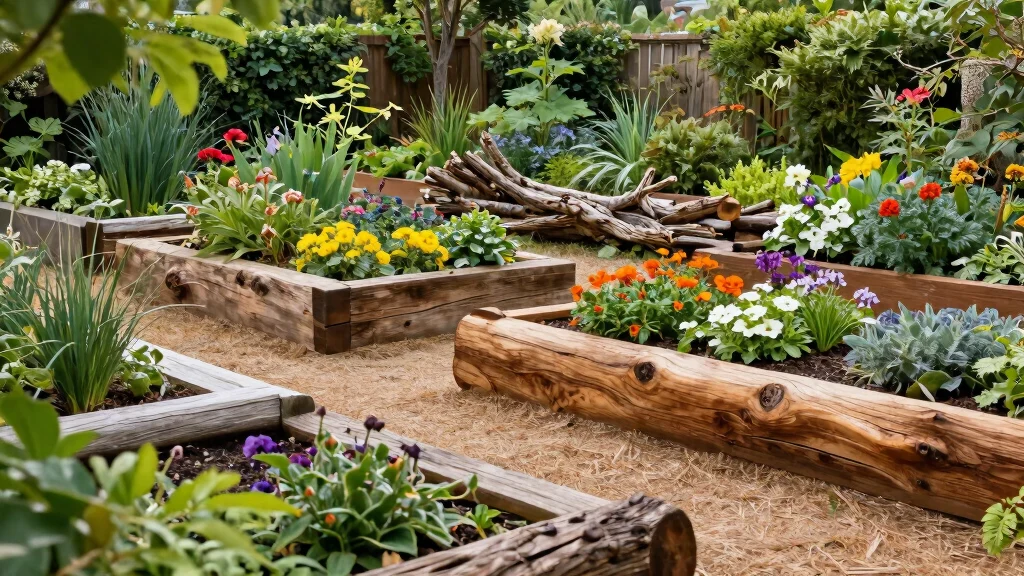
Creating a beautiful garden is often about more than just planting flowers and vegetables. It’s about how you define your spaces. I’ve noticed that wood garden edging can really change the feel of a garden, and I felt inspired to share some creative ideas. Whether you’re a seasoned gardener or just starting, discovering how to use wood for edging can help you make your garden look intentional and organized.
If you love gardening and want to elevate your outdoor aesthetics, you’re in the right place. This post is for eco-conscious individuals who appreciate the beauty of natural materials. You’ll find that wood garden edging not only enhances the design of your garden but also contributes to a sustainable landscape. I’ve put together nine fantastic wood garden edging ideas that are creative, practical, and achievable.
By the end of this guide, you’ll have a variety of styles to choose from. You’ll learn how to incorporate rustic charm or sleek modernity into your garden. Plus, you’ll gain insights into materials that are eco-friendly and visually appealing. Each section will provide you with tips and examples to help you create the garden of your dreams, one edge at a time.
Key Takeaways
– Wood garden edging adds a defined look to your garden beds, making your space feel considered and intentional.
– There are various styles of wood edging, from rustic log to sleek cedar, allowing you to match your garden’s aesthetic.
– Reclaimed wood is a fantastic option for sustainability, offering character while being eco-friendly.
– Decorative wood carvings and vertical edging can enhance your garden’s artistic flair and create height variation.
– Simple solutions like pallet edging can provide budget-friendly options that don’t sacrifice style.
1. Rustic Log Edging for a Natural Look
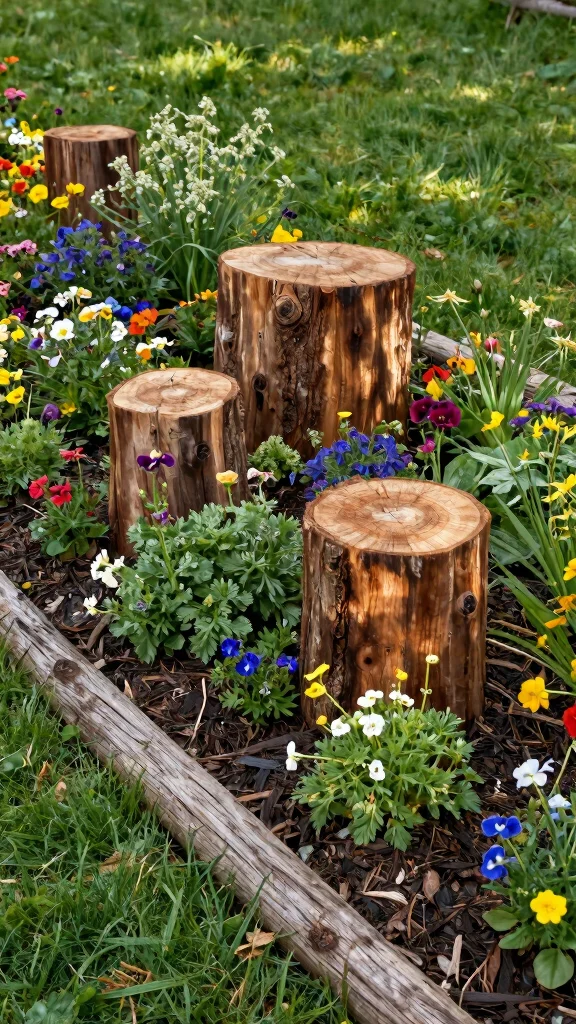
If you crave a garden that feels truly organic, rustic log edging is the way to go. Whole or split logs bring a natural charm that enhances your outdoor space while being environmentally friendly. Arrange these logs around your flower beds or use them to create a winding path that invites exploration through your garden’s beauty.
Start by selecting logs of various sizes to create depth and interest. Opt for untreated wood to keep harmful chemicals away from your soil. Stack the logs strategically to allow for drainage and prevent rot, ensuring longevity and functionality.
Key ideas to enhance your garden with rustic log edging:
– Arrange logs in circular shapes for a whimsical touch
– Use split logs for a more polished appearance
– Incorporate logs as seating in your garden
This rustic style complements wildflowers beautifully, creating a seamless blend of cultivated and wild spaces. Picture yourself walking through fragrant blooms, all defined by these natural wooden borders.
Rustic Log Edging for a Natural Look
Editor’s Choice

FOREVER BAMBOO Natural Eucalyptus Wood Solid Log for Garden Edging Lawn …


Colwelt Saw-Tooth Edger Lawn Tool, Half Moon Lawn Edger with T-Grip, Sid…
2. Sleek Cedar Plank Edging for Modern Gardens
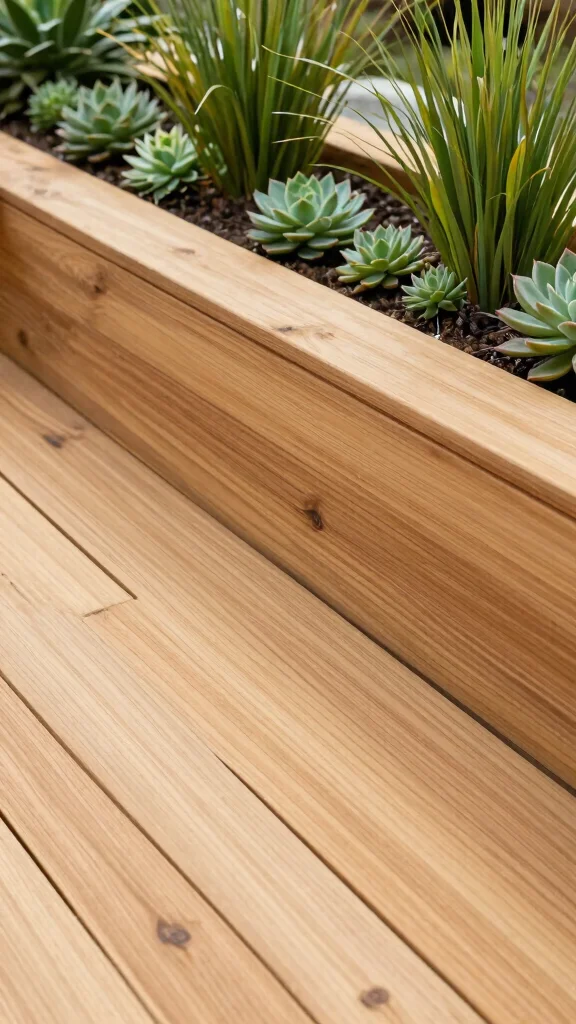
For a sleek, contemporary look, cedar plank edging stands out as an excellent choice. Its smooth texture and clean lines add sophistication to modern garden designs. Additionally, cedar’s natural resistance to decay ensures that your investment lasts for years, making it both stylish and practical.
Consider using vertical planks to create a bold, graphic appearance. You can also paint or stain the cedar to match your home’s exterior for a cohesive look. Pair it with minimalist plants, such as succulents or ornamental grasses, to keep the focus on the stunning edging.
Actionable tips for achieving a modern garden with cedar edges:
– Choose light or dark cedar for contrast
– Incorporate geometric shapes in your design
– Use cedar edging around raised garden beds
The aromatic oils from cedar enhance the sensory experience of your outdoor space. This edging style not only defines your planting areas but also elevates the aesthetic of your entire garden.
Sleek Cedar Plank Edging for Modern Gardens
Editor’s Choice

RELIANCER 8′ Wooden Garden Pathway,Outdoor Roll Out Cedar Straight Walkw…

Olympic WaterGuard 1 gal. Woodland Cedar Semi-Transparent Wood Stain and…
3. Reclaimed Wood for a Sustainable Edge
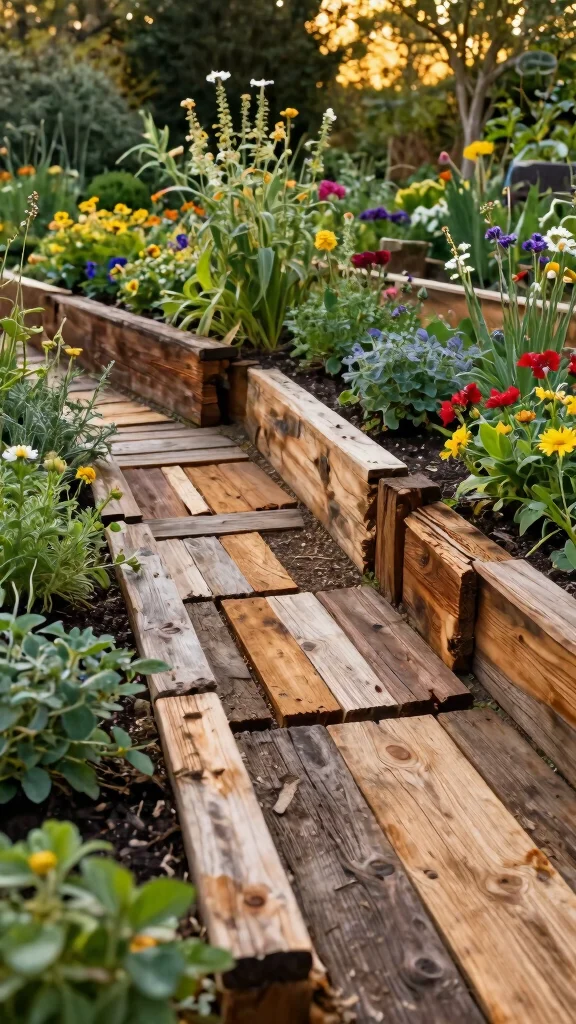
Reclaimed wood offers a sustainable and character-filled option for garden edging. Whether you choose weathered barn wood or repurposed pallets, each piece brings its own story and unique texture. The variety of colors and finishes can create a stunning contrast against your vibrant plants.
Make sure to sand down any sharp edges for safety while maintaining that rustic feel. Sealing the wood can extend its life without sacrificing its natural look. Mixing different types of wood can also add an eclectic and layered effect to your garden design.
Effective ways to use reclaimed wood in your garden:
– Create borders that flow with the landscape
– Use remnants for artistic accents or signage
– Combine with stones for added texture
This approach pairs beautifully with cottage gardens or wildflower meadows, inviting a relaxed, lived-in atmosphere that makes your outdoor space truly inviting.
📹 Related Video: Make Your Own Edging from Landscape Timbers – The Great Outdoors
Key Trade-offs & Our Top Pick
When choosing your wood garden edging, it’s essential to weigh the pros and cons of different options. Each type offers unique benefits and challenges. Let’s break down the most popular choices in wood garden edging.
Option 1: Rustic Log Edging
– Pros:
– Provides a natural, rustic look that blends well with gardens.
– Durable and can withstand weather elements, extending its lifespan.
– Great for defining garden borders without the need for additional materials.
– Cons:
– Can be challenging to install if logs are heavy.
– May require regular maintenance to prevent rot or pests.
– Limited in versatility for modern garden designs.
– Best for: Homes with a natural or woodland aesthetic looking to add charm.
Option 2: Sleek Cedar Plank Edging
– Pros:
– Offers a clean, modern appearance that fits contemporary designs.
– Naturally resistant to decay, lasting longer than other woods.
– Lightweight and easier to install compared to logs.
– Cons:
– More expensive than other wood options.
– Requires some upkeep, like staining, to maintain color and prevent weathering.
– Limited to straight lines unless cut, which may not suit all designs.
– Best for: Modern gardens that prioritize sleek lines and minimalism.
Option 3: Reclaimed Wood Edging
– Pros:
– Eco-friendly choice by repurposing old wood, reducing waste.
– Unique character and story to your garden due to varied wood types.
– Affordable if you source from local suppliers or salvage yards.
– Cons:
– May be inconsistent in quality; some pieces could be weak or damaged.
– Requires more effort to clean and prepare before use.
– Can have level issues if the wood is warped or uneven.
– Best for: Gardeners who value sustainability and uniqueness in their landscaping.
Option 4: Decorative Wood Carvings
– Pros:
– Adds artistic flair to garden beds, making them a focal point.
– Variety of designs available to match any theme or style.
– Generally made from durable wood, providing longevity.
– Cons:
– Often more expensive due to artistic craftsmanship.
– Can be difficult to find unique designs that fit your vision.
– Installation might require more skill to ensure stability.
– Best for: Gardeners who want to showcase their personal style and creativity.
Expert Recommendation:
Best Overall: Sleek Cedar Plank Edging
Cedar plank edging stands out as the best choice for most gardeners. It balances aesthetics, durability, and ease of installation. Since cedar resists decay, it can last for years without needing frequent replacement. Its modern look fits seamlessly into various garden styles, making it versatile for different landscape designs. Plus, while it may cost a bit more upfront, its longevity makes it a worthy investment.
Why We Picked This:
While cedar is often the top pick, you may prefer other options based on your specific needs. If you’re looking for a rustic feel, go for rustic log edging. If sustainability is your priority, reclaimed wood might be the way to go. Each choice has its unique benefits, so weigh them against your gardening goals!
Reclaimed Wood for a Sustainable Edge
Editor’s Choice
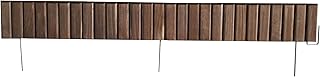
Flexible Brown Natural Lawn & Landscape Border Edging (8-Pack)

Romeda 8-Pack Sanding Sponge, Four Grits Per Pack 60/80/120/220, Washabl…

Thompson’s WaterSeal Clear Wood Sealer, Clear, 1 Gallon
4. Decorative Wood Carvings for Artistic Flair

Elevate your garden borders to an artistic level with decorative wood carvings. Whether you prefer intricate designs or simple motifs, carved wood adds a personalized touch that reflects your unique style. This artistic approach is particularly stunning in formal gardens, where it contrasts beautifully with structured plants.
Select motifs that resonate with your interests, like floral patterns or geometric designs. Incorporate these carvings along pathways or as borders to guide visitors throughout your garden. Pair them with lush greenery to enhance their visual impact and create a cohesive look.
Ways to incorporate decorative carvings in your garden:
– Choose natural finishes to maintain authenticity
– Position carvings as focal points in garden beds
– Use carvings to delineate different garden areas
This unique style transforms ordinary spaces into extraordinary displays, making your garden a true reflection of your personality and creativity.
Fun fact: Decorative wood carvings along borders can enhance the perception of space by up to 25%, making your wood garden edging feel more expansive. Pair bold motifs with carved borders to guide visitors along pathways and add artistic flair.
Decorative Wood Carvings for Artistic Flair
Editor’s Choice

Wood Knot Chain Link Decor – 3 Link Boho Wooden Hand Carved Decorative W…
5. Simple Pallet Edging for a Budget-Friendly Option
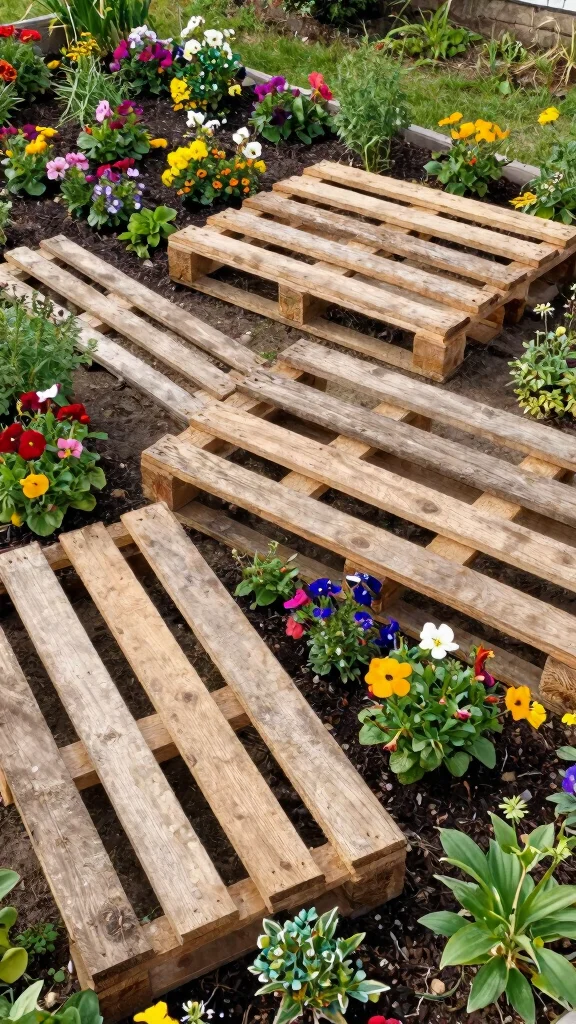
If you’re on a budget, pallets can be your best ally in creating charming garden borders. With a touch of creativity, old pallets can be transformed into delightful edges that bring character to your outdoor space. Use whole pallets for a rustic vibe or break them down into slats for a more refined look.
Stacking pallets vertically can add an interesting visual element while also serving as a trellis for climbing plants. Painting or staining the pallets can protect the wood and help them blend in with your garden design. You can also create tiered beds to enhance the dimensionality of your garden layout.
Creative ways to utilize pallets in your garden:
– Use pallets to create vertical gardens
– Design unique borders that complement other materials
– Experiment with different heights for visual interest
This budget-friendly style suits informal gardens perfectly, allowing for easy adjustments and abundant creativity in your landscaping.
You might also like
Simple Pallet Edging for a Budget-Friendly Option
Editor’s Choice

Wood Stain, 16 Oz Water Based Wood Stain and Sealer in One – No Priming,…
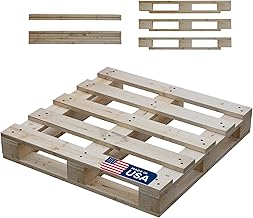
Treaton, 48x40x5 Wooden Pallet Kit, Heavy-Duty Industrial Grade Pinewood…
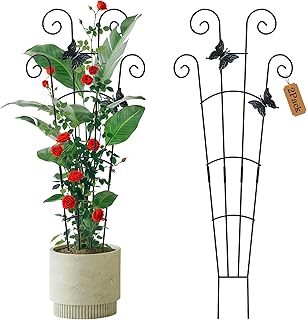
2 Pack 30 Inch Taller Plant Trellis for Potted Climbing Plants Indoor,Ex…
6. Curved Edging for Soft Lines
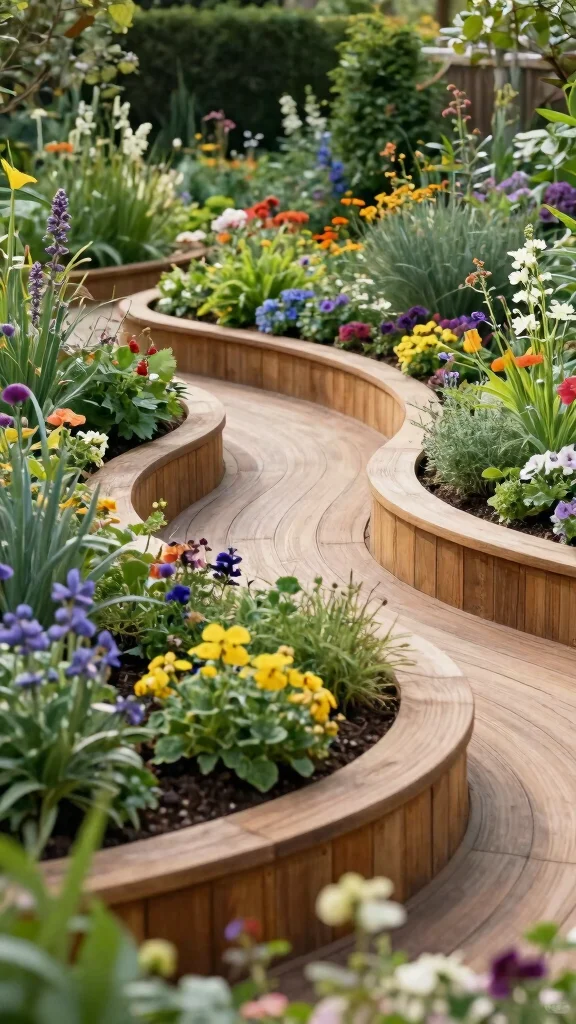
Curved edging introduces soft lines that can transform the feel of any garden, creating a gentle and inviting ambiance. This style is especially effective in larger gardens, where straight edges might seem too harsh. Curved wooden edges guide the eye through your garden, fostering a sense of movement and unity.
To create curves, consider using flexible wood strips or bendable logs for your desired shapes. Combine these curves with raised beds for a dynamic layered effect. Plant taller flowers in the back and shorter ones in the front to maintain visibility and balance.
Key tips for implementing curved edging:
– Use a garden hose to outline desired curves
– Maintain a consistent radius for uniformity
– Incorporate native plants to enhance the natural look
This organic shape invites exploration, encouraging you to wander through your outdoor haven. The smooth curves harmonize beautifully with blossoming flowers and swaying grasses, enhancing your garden’s overall design.
Curved Edging for Soft Lines
Editor’s Choice

Amazon Basics Flexible Landscape Edging Coil for Garden Border, Flower B…

Rustic Pine Wood Garden Fence – 13.1ft L*12in H Easy to Install Sturdy W…
7. Layered Wood Edging for Depth
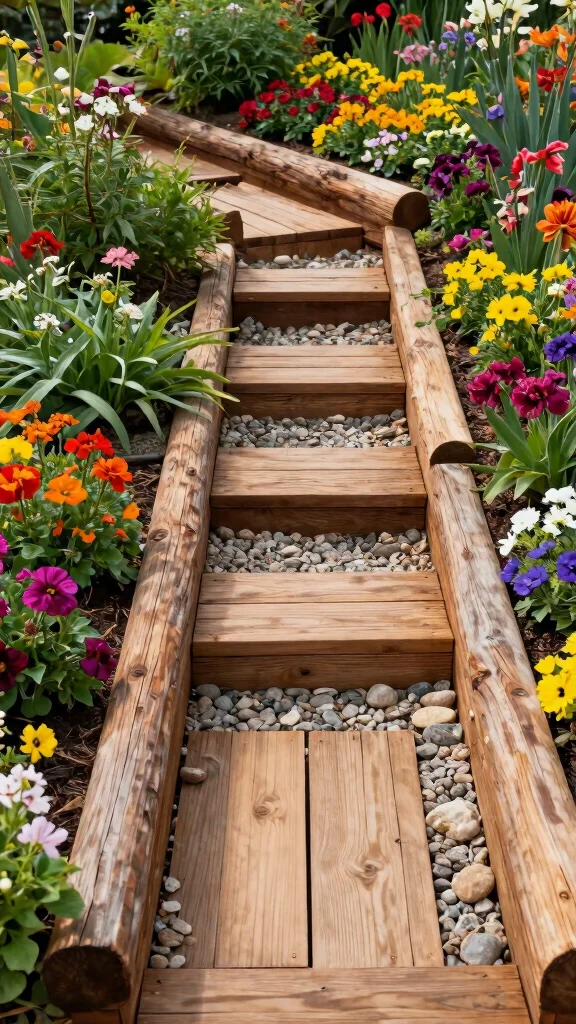
Creating a visually striking effect in your garden is easy with layered wood edging. By stacking logs or planks of different heights, you can effectively define planting areas while enhancing the overall aesthetic. This technique not only adds depth but also allows you to showcase various plant heights beautifully.
Mix thicker logs at the base with thinner planks on top for a tiered appearance. Using contrasting wood types, like light and dark hues, can further enhance visual interest. Incorporating stones or gravel between layers adds an extra layer of texture and detail.
Ways to achieve layered wood edging:
– Create a natural transition between plants
– Use different shapes and sizes for added complexity
– Add color by planting seasonal flowers
This method is perfect for gardens that celebrate the diversity of plant life, creating captivating borders that elevate the beauty of your outdoor space.
Layered Wood Edging for Depth
Editor’s Choice

Greenes Fence 15 in. Full Log Edging (12-Pack, 15 ft. Total)

Plow & Hearth 8′ Straight Outdoor Wooden Pathway | 18″ Wide Rollout Outd…
8. Vertical Wooden Edging for Height Variation
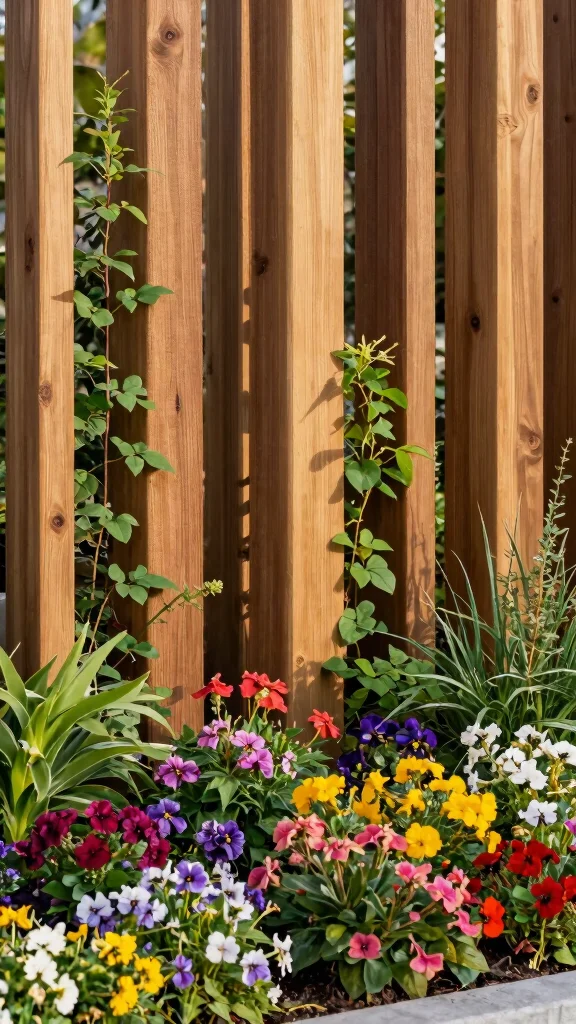
Vertical wooden edging introduces an exciting twist to traditional garden designs. By installing wooden posts upright, you create distinct barriers that serve both as edging and decorative elements. This unique approach adds height variation to your garden and can even support climbing plants.
Ensure stability by using sturdy posts, and consider treating them for longevity. Spacing the posts evenly or creating a pattern adds visual interest and enhances the overall design. Grow climbing vines or flowers alongside to amplify the aesthetic appeal.
Suggestions for incorporating vertical edging:
– Use treated wood for durability
– Experiment with different heights for drama
– Create a trellis effect with climbing plants
This innovative technique works especially well in modern gardens, making a bold statement while contrasting beautifully with the softer shapes of flowering plants.
Vertical wooden edging adds height variation and defines beds with clean lines. Space sturdy posts evenly, treat them for longevity, and let climbing plants weave through for living texture. Your wood garden edging instantly elevates the whole landscape.
Vertical Wooden Edging for Height Variation
Editor’s Choice

Greenes Fence 3 Ft. Wooden Garden and Sign Post Stakes (25-Pack)

Craft911 Moss Pole Monstera Plant Support – 2 Pack 28” Bendable Moss…
Greenes Fence 3 Ft. Wooden Garden and Sign Post Stakes (25-Pack)
9. Natural Bark Edging for a Unique Touch

If you’re seeking a unique edge for your garden, look no further than natural bark pieces. This whimsical and rustic option is perfect for informal gardens, adding a playful feel. The texture of bark introduces a different dimension while acting as a natural barrier for your plants.
Consider using strips of bark secured together for a cohesive appearance. Mixing bark with other wood types can create a layered effect that enhances visual interest. Ensure your bark is sourced sustainably to support ecological balance in your garden.
Creative ideas for using natural bark:
– Combine bark with stones for a rustic finish
– Use bark to outline garden paths
– Layer bark with different textures for depth
This natural edging style harmonizes with wildflowers and native plants, creating an inviting ecosystem in your outdoor space. The earthy tones of the bark add warmth, making your garden feel like a true extension of nature.
Fun fact: Natural bark edging can cut maintenance by up to 40% in informal gardens, while adding rustic texture. For best results, lay bark strips in a cohesive line and source sustainably so your wood garden edging stays eco-friendly and timeless.
Natural Bark Edging for a Unique Touch
Editor’s Choice

LINSHRY Wood Garden Fence, 8in (H) x 12ft (L) Wood Garden Edging Decorat…
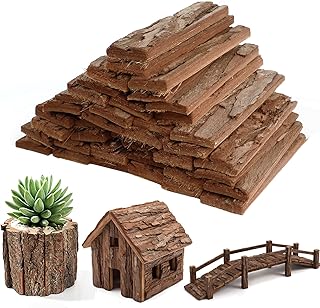
Natural Tree Barks Wood Strips 45 Pcs Wood Bark for Crafts Rustic Unfini…
Conclusion
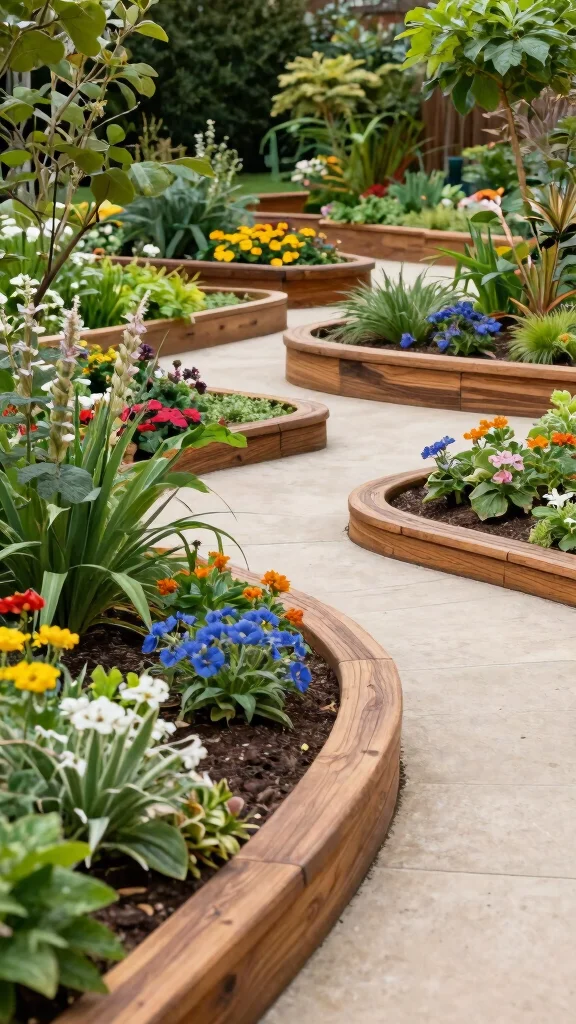
Enhancing your garden with wood edging is a simple way to create defined spaces while embracing nature’s beauty. From rustic logs to sleek cedar planks and creative reclaimed wood, each option offers a unique charm and sustainable appeal. Choose the style that resonates with your personal aesthetic, and watch how it transforms your outdoor space into a cohesive and inviting haven.
So, which wood garden edging idea speaks to you? Let your creativity flourish and make your garden look intentional and beautifully defined.
Note: We aim to provide accurate product links, but some may occasionally expire or become unavailable. If this happens, please search directly on Amazon for the product or a suitable alternative.
This post contains Amazon affiliate links, meaning we may earn a small commission if you purchase through our links, at no extra cost to you.
Frequently Asked Questions
What is wood garden edging and why is it a smart choice for eco-friendly landscape design?
Wood garden edging is a simple border formed by wooden boards, logs, or planks that defines where your beds end and the lawn begins. It adds outdoor aesthetics and clean lines without heavy concrete or metal. By using natural materials sourced from sustainably managed forests, it supports eco-friendly landscapes and can be adapted to raised garden beds and curved bed layouts.
Tip: choose rot-resistant wood, install with a gentle curve for a softer look, and seal or oil the boards to extend their life while keeping the border looking natural.
What sustainable wood options work best for garden borders and edging around raised garden beds?
Look for woods that resist rot and come from sustainable sources, such as cedar, redwood, and black locust. Reclaimed timber is a fantastic natural material option that reduces new-tree harvests. Avoid pressure-treated lumber for edible borders in contact with soil, or seal it well if you must. Using these choices helps your wood garden edging blend with your overall landscape design while protecting soil and roots around raised garden beds.
How can I install wood edging around a bed with minimal tools and effort?
Plan your border and mark the line, then dig a shallow trench (about 4–6 inches deep) along it. Cut boards to length and use sturdy stakes every few feet to secure the edging. Place boards flush with the soil, drive the stakes in at a slight angle for stability, and backfill any gaps with soil or mulch. If you’re going for a curved edge, gently bend the wood or use short, connected boards to maintain flexibility. Finish with a seal or oil to boost longevity and keep the outdoor aesthetics cohesive.
What maintenance is needed to keep wood edging looking good over time?
Regular inspection is key: check for rot, loose boards, or wobbling stakes, and replace damaged pieces promptly. Keep the wood in good shape by applying a penetrating oil or sealant every couple of years (more often in wet climates). Re-stain or re-seal to preserve color and protect against sun and moisture. Using rot-resistant wood and proper drainage will help your natural materials endure as part of your landscape design and garden borders for years.
How can wood edging enhance landscape design while staying sustainable and improve outdoor aesthetics?
Wood edging helps define beds with warmth and a natural texture that complements native plants and mulch, boosting overall landscape design. Try pairing it with reclaimed wood, a soft curve, and a contrasting mulch color to improve garden borders visibility. Integrate edging with native plants, elevated beds, or gravel paths to create cohesive, eco-friendly spaces that feel intentional and durable. Your wood garden edging can be a focal point or a subtle frame that elevates the entire garden.
Related Topics
wood garden edging
sustainable landscaping
garden borders
raised garden beds
outdoor aesthetics
eco-friendly gardening
landscape design
natural materials
DIY garden projects
beginner friendly
seasonal gardening
easy landscaping ideas