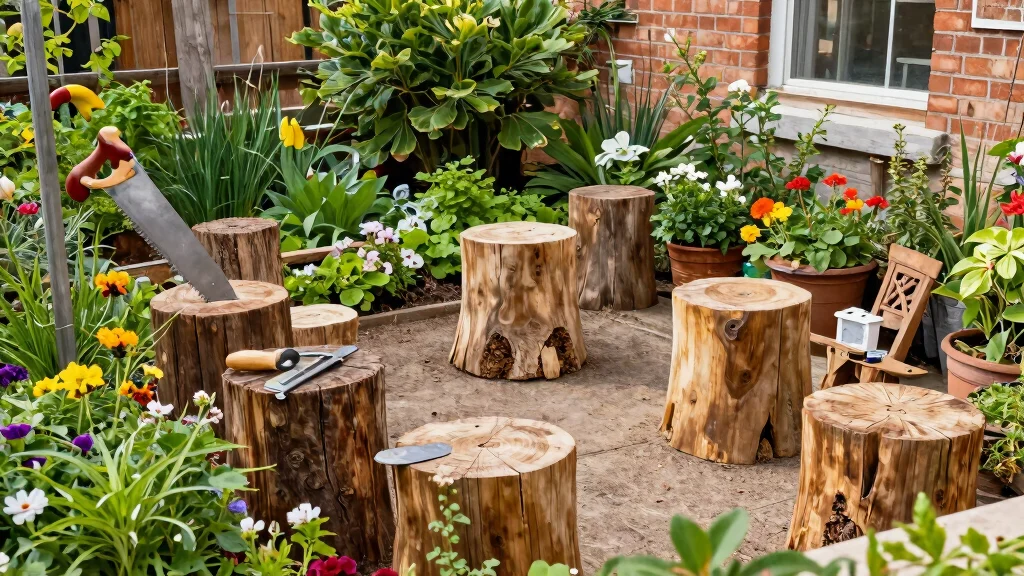
When a tree falls in your garden, it can feel like a loss. But wait! Instead of seeing it as just a fallen trunk, imagine the creative possibilities it offers. This post dives into a world where wood stumps become beautiful features of your outdoor space. If you’ve been searching for ways to bring charm and personality to your garden, you’re in the right place.
If you love gardening and enjoy adding unique touches to your outdoor areas, these wood stump ideas will inspire you. Whether you’re a seasoned gardener or just starting, this guide is designed for you. The aim is to showcase how to transform something that might seem useless into delightful, rustic garden features. You’ll discover practical and fun ways to repurpose those stumps that not only look great but also serve a purpose.
Get ready to explore eight clever wood stump ideas that will make your garden stand out. From creating functional seating arrangements to using stumps as unique planters, each suggestion will add character to your outdoor sanctuary. You’ll walk away with actionable tips and inspiration to turn your fallen tree into a charming garden asset.
Key Takeaways
– Discover how to create rustic seating arrangements from wood stumps, adding both beauty and functionality to your garden space.
– Learn to transform stumps into unique planters that showcase your favorite flowers and plants, making your garden pop with color.
– Explore the idea of using stumps as garden markers, helping to define your garden layout while adding a touch of whimsy.
– Understand how to construct a stump fire pit that serves as a cozy gathering spot for friends and family on chilly evenings.
– Get tips on using stumps for pathway edging, enhancing your garden’s structure while showcasing your creative flair.
1. Rustic Seating Arrangements
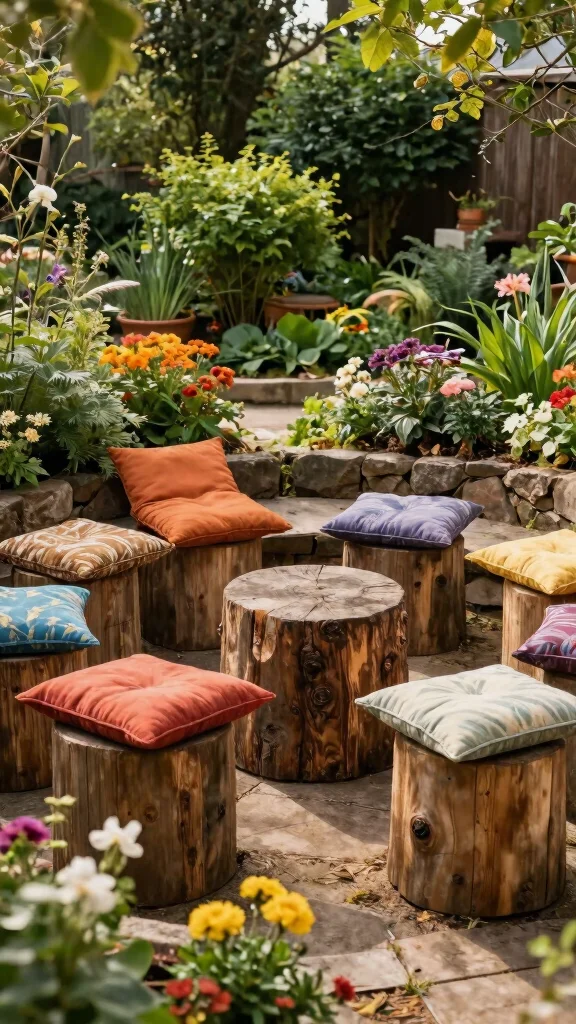
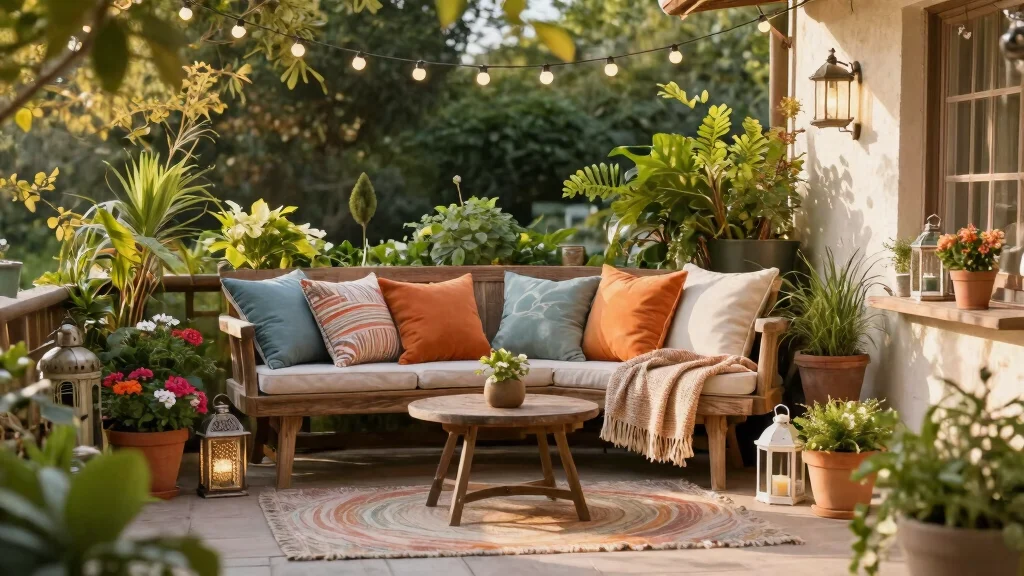
Imagine a cozy nook in your garden where you can kick back and relax, all thanks to charming seating crafted from wood stumps. These solid and inviting pieces of nature can be transformed into unique benches or individual seats that seamlessly fit into your outdoor setting.
To get started, stack stumps at various heights to create a layered seating space, or arrange a few rounded stumps in a circle for a warm gathering spot. For added comfort, you can throw on soft cushions or a blanket. If you’re up for it, sand the surfaces for a smoother finish and apply a weather-resistant sealant to help them endure the seasons.
Key ideas to enhance your rustic seating:
– Stack stumps in varying heights for dimension
– Add cushions for comfort and style
– Use a weather-resistant sealant for durability
– Integrate climbing vines around the area for a natural touch
This cozy seating arrangement not only offers a perfect spot to unwind but also blends beautifully with your garden’s natural beauty.
Using wood stump ideas, you can build a cozy garden seating nook in no time. Stack stumps at different heights to form a natural terrace, or arrange a circle for a warm gathering spot—add cushions for real comfort.
Rustic Seating Arrangements
Editor’s Choice

Arden 4-Pack Outdoor Patio Dining Chair Cushion, 20×44, Rain-Proof Seat …


Thompson’s WaterSeal Clear Wood Sealer, Clear, 1 Gallon
2. Functional Side Tables
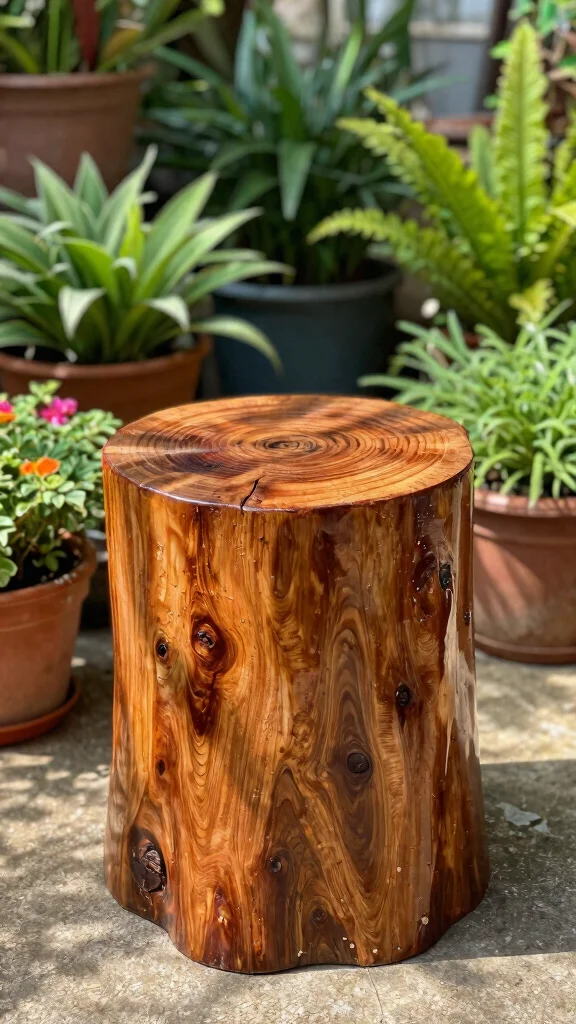
Why invest in a side table when a wood stump can do the job? This practical approach not only brings a rustic vibe to your outdoor area but also plays a role in recycling fallen trees.
Select a sturdy stump that boasts a flat top. You can keep it natural or paint it a vibrant color that stands out against your garden. For a polished finish, consider applying a coat of varnish to enhance its gorgeous grain. Position your stump table beside a favorite chair or use it to display potted plants, adding a distinctive flair to your decor. If you want some flexibility, attach wheels for a mobile table that moves wherever you need it.
Tips for creating functional side tables:
– Choose a flat-topped stump for stability
– Experiment with colorful paint for a unique look
– Use varnish to showcase the wood’s beauty
– Cluster different-sized stumps for an appealing display
This simple yet stylish side table idea will elevate your outdoor experience, making it both functional and beautiful.
How To Choose the Right Wood Stump for Your Garden
Choosing the right wood stump for your garden feature can enhance the charm and functionality of your outdoor space. Here are key factors to consider when selecting a wood stump for your gardening project:
1. Size
The size of the wood stump matters greatly. Think about how you plan to use it—whether as a seating area, planter, or decorative element. A larger stump can be a stunning centerpiece, while a smaller one might suit a cozy nook. Measure your available space before making a choice to ensure it complements your existing garden features without overwhelming the area.
2. Condition
Inspect the wood stump for any signs of rot or pest damage. A healthy stump should be solid and sturdy. Avoid stumps that show significant decay as they may not last long outdoors. You may also want to consider the type of wood; hardwoods like oak and maple are more durable than softwoods like pine, making them better for long-term use.
3. Texture and Appearance
A stump’s texture can add visual interest to your garden. Look for stumps with unique grain patterns or interesting shapes. Depending on your garden’s theme—rustic, modern, or whimsical—you can choose a stump that complements the overall aesthetic. Consider whether you want to leave it natural or treat it with paint or wood stain for a different effect.
4. Purpose
Decide how you want to use the stump in your garden. Is it for seating, a table, or a planter? Each purpose has different requirements. For instance, if you want a planter, ensure the stump is hollowed out to hold soil and plants. If it’s for seating, ensure it can support weight comfortably. Knowing its purpose will guide you in size and condition selection.
5. Location
Think about where you’ll place the stump. Full exposure to the elements can cause quicker decay. If you plan to put the stump in an area with heavy rainfall or sun, consider treating the wood with a weatherproofing sealant. Proper placement can prolong the life and enhance the beauty of the stump.
6. Budget
Set a budget before you start shopping for a wood stump. Prices can vary widely based on size, type of wood, and condition. You might find fallen tree stumps available for free in local parks or from tree services. If you’re purchasing from a nursery or garden center, check for the best deals or discounts, especially if you’re buying multiple stumps.
Pro Tip: Consider a stump that has unique characteristics, such as knots or unusual shapes. These features can add character and become conversation starters in your garden!
Functional Side Tables
Editor’s Choice

SparkJump Picnic Table Bird and Squirrel Feeder Kit, DIY Woodworking Pro…

Thompson’s WaterSeal Multi-Surface Waterproofer Stain, Clear, 1 Gallon

Minwax 233334444 Polycrylic Protective Wood Finish, Clear Satin, ½ Pint
3. Unique Planters
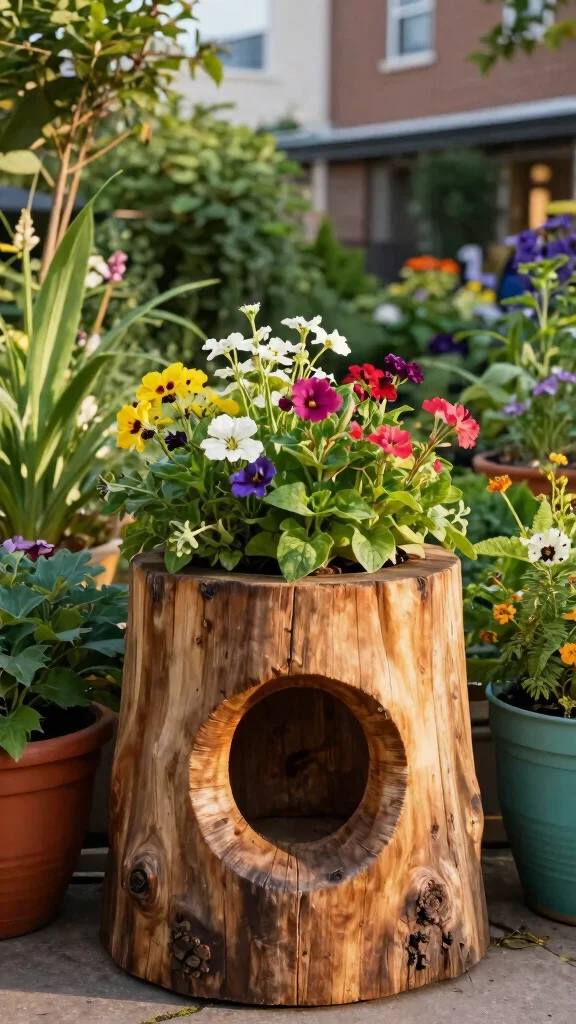
Transform your wood stump into a whimsical planter that not only enhances your garden’s beauty but also serves a practical purpose. Hollowing out a stump offers an enchanting way to display flowers or herbs.
You can carve out the center of a stump and fill it with soil to grow colorful blooms, fragrant herbs, or even compact shrubs. The natural wood provides excellent drainage while adding an earthy charm to your space. Try mixing various plants in a single stump for a layered effect, or scatter multiple stumps throughout your garden as individual planters. For a modern twist, paint the outside while keeping the inside raw, or wrap it in moss for a natural aesthetic.
Ideas for unique planters:
– Hollow out stumps for planting flowers or herbs
– Mix several plants for visual interest
– Paint the exterior for a modern touch
– Group multiple stumps for a dynamic display
This planter idea will not only enhance your garden’s aesthetics but also promote biodiversity with your chosen plants.
Unique Planters
Editor’s Choice

Planters’ Choice 9 Herb Indoor Window Garden Kit – Birthday Gifts – Hous…

Carbide Tipped Woodturning Tool 9pcs chise set Lathe Full Size Rougher F…

Burpee, 9 Quarts | Premium Organic Potting Natural Soil Mix Food Ideal f…
4. Garden Markers
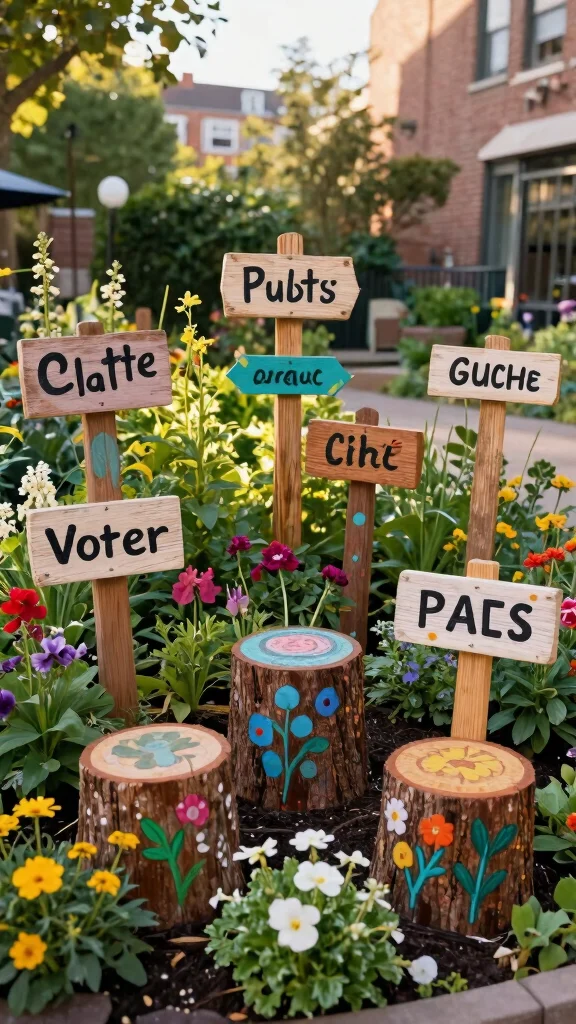
Personalize your garden while helping yourself and guests navigate with charming markers made from wood stumps. These practical additions enhance the rustic appeal of your outdoor space.
Use smaller stumps to label different plant species or sections of your garden. You can carve or paint names directly onto the wood, or attach a small wooden board with the plant’s name for clarity. This playful approach keeps your garden organized while adding character. For a more refined look, consider staining or painting the stumps to match your garden’s theme, making them visible yet cohesive.
Creative ideas for garden markers:
– Use smaller stumps for plant labels
– Carve or paint names directly on the wood
– Stain or paint to match your decor
– Add decorative elements for extra charm
These garden markers will not only guide visitors but also add a whimsical touch to your landscape.
Fun fact: using wood stump ideas for garden markers can reduce plant mix-ups by 60% in small urban gardens. Label tiny stumps with carved names or boards—simple, rustic, and instantly more organized.
You might also like
Garden Markers
Editor’s Choice

Wood Carving Kit, 23pcs Wood Carving Tools with PVC Storage Bag, Wood Wh…

KINGLAKE 100 Pcs 6 x10cm Plastic Plant T-Type Tags Nursery Garden Labels

Magicfly Outdoor Acrylic Paint, Set of 30 Colors/Tubes (60 ml, 2 oz.) wi…
5. Decorative Features
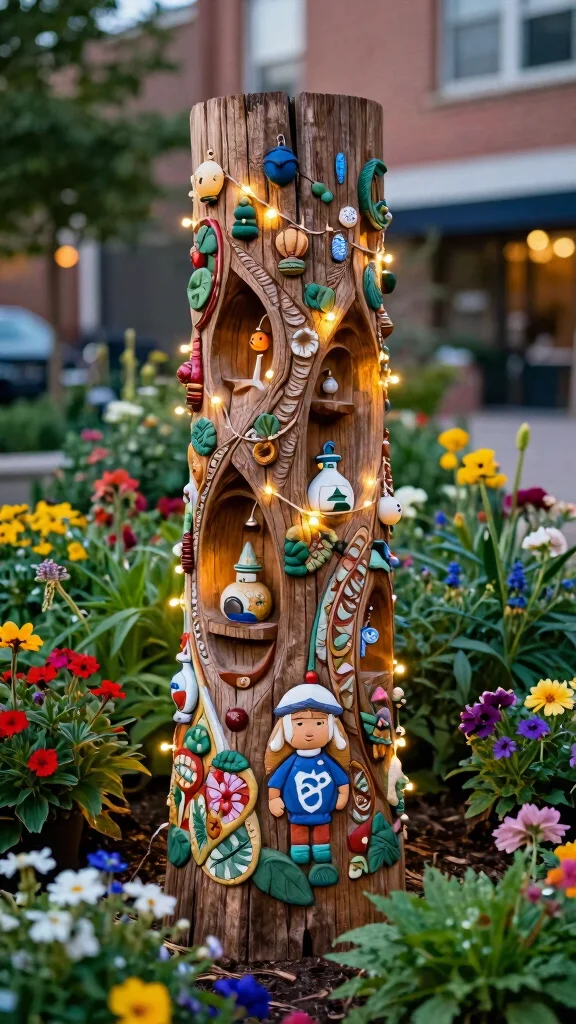
Turn your fallen tree into an artistic centerpiece with decorative features that brighten your garden. This can range from simple carvings to intricate designs that express your style.
Unleash your creativity by carving shapes or patterns into the stump, making it a true statement piece. You might paint it to align with your garden’s theme or leave it natural for a rustic vibe. Hanging small ornaments or attaching garden art can introduce a playful element. For an enchanting touch, consider adding fairy lights to create a magical glow at night, turning your stump into a captivating focal point.
Here are some decorative feature ideas:
– Carve patterns into the stump for creativity
– Paint to match your garden’s theme
– Add ornaments for a playful touch
– Wrap with fairy lights for evening charm
This decorative approach will make your garden a more inviting and visually stunning space.
Decorative Features
Editor’s Choice

Wood Carving Kit, 32Pcs Wood Carving Tools with Storage Bag, Wood Whittl…

OULYDEKO 5PCS Rusty Birds Decoration,Outdoor Bird Wall Decor,Metal Birds…

Rust-Oleum 369383 Advanced Dry Door & Trim Paint, Quart, Satin Black
6. Stump Fire Pits
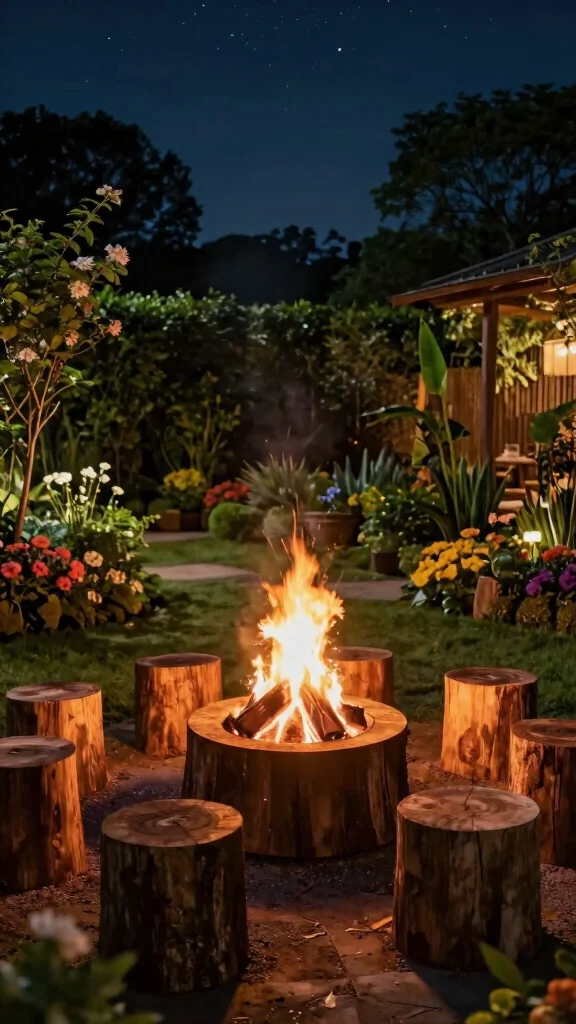
Embrace the outdoors with a cozy fire pit made from a wood stump. This rustic feature adds charm and becomes a perfect gathering spot for family and friends, enhancing your garden’s ambiance.
Begin by hollowing out the center of a large stump, then fill it with fire-safe materials. Surround the stump with additional logs or stumps to create a comfortable seating area. Consider decorating the fire pit with stones or metal accents for a polished finish. On chilly nights, this feature becomes the heart of your outdoor space, promoting warmth and shared stories. Plant flowers or install lighting around the fire pit to create a magical atmosphere after dark.
Important tips for your fire pit:
– Use fire-safe materials for safety
– Create a seating area with surrounding logs
– Decorate with stones for aesthetics
– Add plants for a cozy evening vibe
This fire pit idea will transform your outdoor gatherings into warm and memorable experiences.
Stump fire pits prove that simple wood stump ideas can turn a small garden into a cozy gathering spot. Hollow a sturdy stump, add fire-safe materials, and surround it with seating—your outdoor nights will feel instantly warmer and more inviting.
📹 Related Video: Making a ROCKET STUMP Fire Pit
Stump Fire Pits
Editor’s Choice

Stanbroil Lava Rock Granules – Decorative Landscaping for Fire Bowls, Fi…

Heavy Duty Metal Smokeless Permanent Fire Pit Ring 30 inch Outer/24 inch…

Outdoor Chair Cushions Set of 4: Waterproof & Fade Resistant Seat Cushio…
7. Vertical Stump Gardens
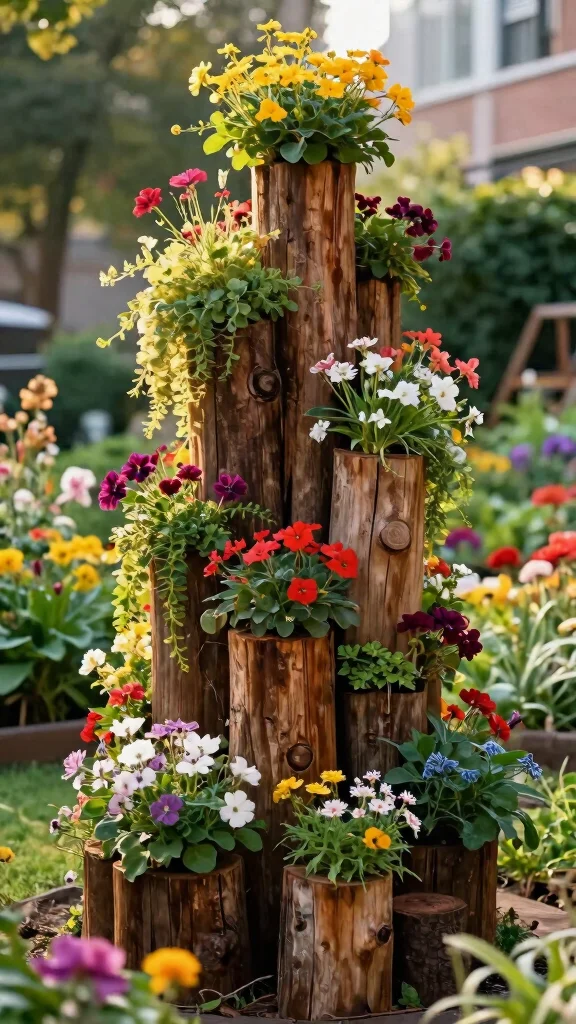
Want to make a big impact in a small space? Try creating a vertical garden using wood stumps. This innovative idea saves space and showcases creativity by utilizing vertical dimensions in your garden.
Stack smaller stumps in a tiered arrangement, filling them with various plants or herbs. Hollow out the top of each stump to allow flowers to cascade over the edges, creating a stunning waterfall effect. Alternatively, drill pockets into a large stump for smaller plants. This vertical approach draws the eye upward and transforms your garden into a captivating landscape while maximizing space.
Steps for vertical stump gardens:
– Stack smaller stumps for a tiered effect
– Hollow out tops for cascading flowers
– Drill pockets for planting in larger stumps
– Mix vibrant colors and fragrant herbs for attraction
This vertical garden idea will create a unique and eye-catching focal point in your outdoor space.
Vertical Stump Gardens
Editor’s Choice

Garden Tools Set, 8 Piece Gardening Tools Set with Non Slip Ergonomic Ha…

DEWALT Drill Bit Set, 3-Flats Shank,14-Piece, 135 Degree Split Point, fo…

Miracle-Gro Moisture Control Potting Mix – Plant Soil For Container Plan…
8. Stump Pathway Edging
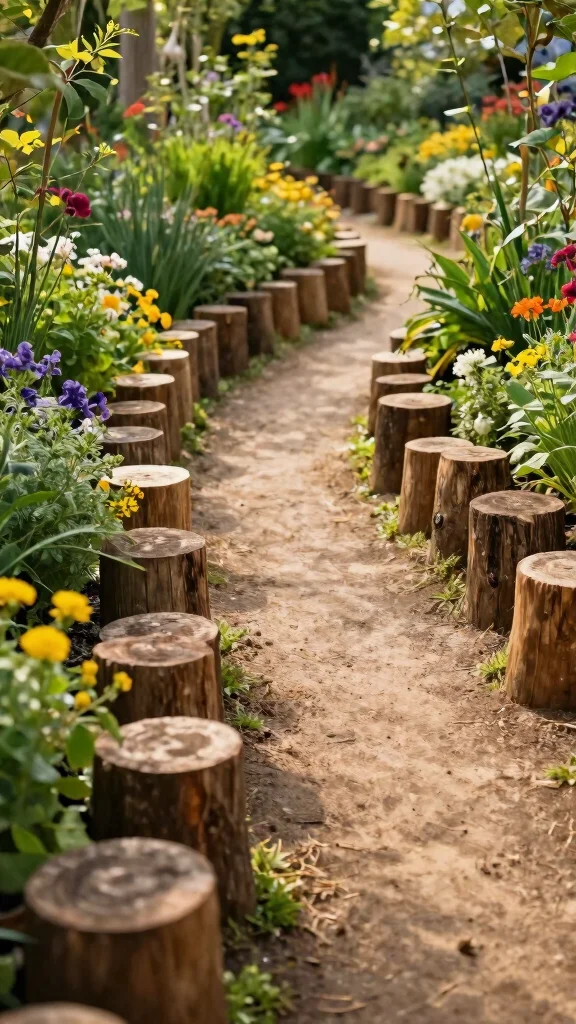
Consider using wood stumps to create a charming border for your garden pathway. This transformation not only enhances your landscaping but also provides a clear route for visitors to explore.
Arrange stumps side by side along the path edges, either partially buried or exposed to create a rustic border. You can paint them in colors that complement your garden or leave the natural finish for a more organic look. This approach creates a striking visual statement while keeping mulch or soil contained within your garden beds. Mixing in various stump sizes or pairing them with stones adds extra texture and interest.
Ideas for pathway edging:
– Place stumps side by side for a rustic border
– Keep natural finishes for an organic feel
– Mix sizes for visual interest
– Pair with stones for added texture
This charming pathway edging will not only guide visitors but also enhance the overall beauty of your garden.
Stump Pathway Edging
Editor’s Choice

Krylon K05615007 COLORmaxx Acrylic Latex Brush On Paint for Indoor/Outdo…

EasyFlex No-Dig Landscape Edging with Anchoring Spikes, 2.7 in Tall Deco…
Conclusion
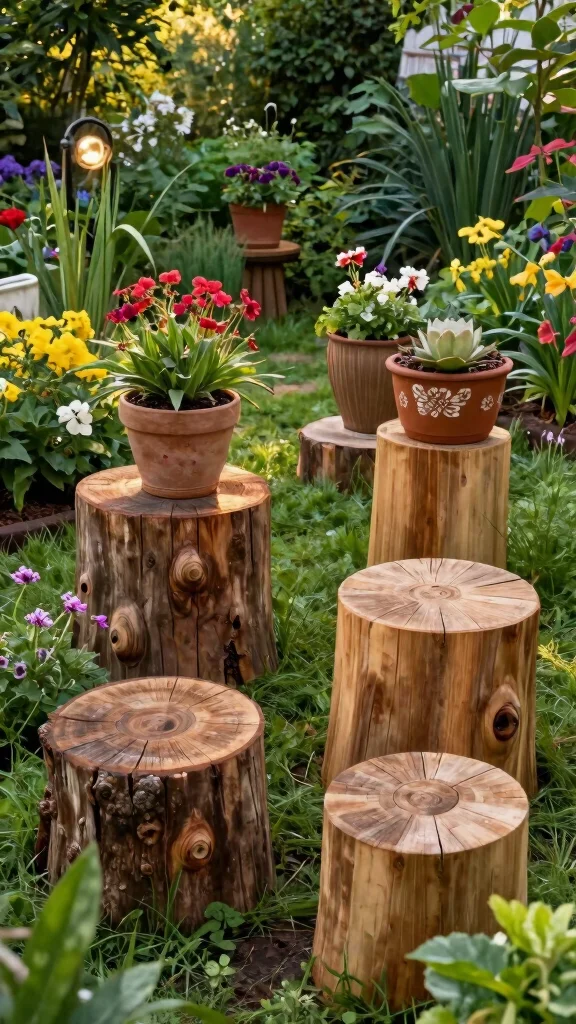
Wood stumps can be far more than just remnants of fallen trees; they can become the foundation for creativity in your garden. From seating to decorative features, each idea explored here brings a unique flair that can transform any outdoor space.
By incorporating these wood stump ideas, you’re not just enhancing your garden’s beauty but also engaging in eco-friendly practices that celebrate nature. So, grab your tools and get crafting! Your garden’s next charming feature awaits.
Note: We aim to provide accurate product links, but some may occasionally expire or become unavailable. If this happens, please search directly on Amazon for the product or a suitable alternative.
This post contains Amazon affiliate links, meaning we may earn a small commission if you purchase through our links, at no extra cost to you.
Frequently Asked Questions
What are some creative wood stump ideas to turn a fallen tree into charming garden decor?
Turn your yard into a story with wood stump ideas that double as garden decor and rustic garden features. Start with stumps of stable, rot-free wood and plan their roles—seating, planters, or pedestals. For a small urban garden, group three stumps around a tiny seating area or create a vertical display with staggered heights. Prep: clean the surface, sand rough edges, and seal with a weatherproof finish to blend with your outdoor landscaping. If you want planters, hollow a shallow cavity and line with a liner to hold soil and drainage. Finish with a touch of paint or stain that complements your landscape. Gardening tips: place the tallest stump at the back for visibility and ensure easy access to water and soil for planting.
How can I safely prepare and preserve a wood stump for outdoor use in an urban garden?
Before you begin, inspect the stump for rot, insect damage, and loose areas. If you find serious rot, cut away the damaged part or skip that stump. Dry it thoroughly for several weeks to minimize cracking. Apply a non-toxic, outdoor wood preservative and sealant to protect from moisture and sun; reapply every couple of years. Sand rough edges, then seal or stain to your preferred color. For planter use, hollow the top, install a stable liner, and provide drainage to avoid waterlogged soil. Gardening tips: choose durable finishes and avoid toxic paints near edible plants.
Which wood stump ideas work best as practical garden features like seating, planters, or lighting?
Three standout options: 1) Stump seating or stools with flat, level tops; 2) Planter stumps with a shallow hollow and soil for herbs or flowers; 3) Stump pedestals or tables to hold a bird feeder or solar lanterns. For rustic garden features, keep the surface smooth and sealed for safety and longevity. For lighting, fit weatherproof solar lights or lanterns into carved notches or atop the stump. Consider weight and stability to avoid tipping. Gardening tips: position for sun exposure and accessibility, and use mulch around bases to protect against moisture.
What supplies and tips do I need for tree stump crafts and simple outdoor landscaping projects?
Gather the basics: a saw for cuts, a drill, sandpaper (80-120 grit), a wood chisel, clamps, gloves, and safety glasses. For finishes: weatherproof exterior sealant, exterior-grade stain or paint, and a liner for planter stumps. Tools for assembly if stacking: wood screws and waterproof glue. Soil and potting mix for planters, plus a drip tray or liner to protect from moisture. Optional: solar lights, decorative hardware, or plant markers. Layout tip: sketch your design first and measure stump heights to create a cohesive level. Gardening tips: prioritize non-toxic finishes and test on a small area first.
How can I maintain and protect rustic garden features made from wood stumps so they last through seasons?
Maintenance is about sealing, drainage, and mindful planting. Reseal every 1-3 years, depending on sun and rain exposure, and clean with mild soap. Check for cracks and rinse away moss or algae with a soft brush. For planters, ensure drainage and avoid waterlogged soil; elevate stumps off moist soil with gravel or pavers if needed. Rotate plantings to prevent root rot and reduce wood contact with damp soil. When pests appear, treat promptly and replace severely damaged stumps. Gardening tips: keep an eye on weather patterns and adjust sealing frequency accordingly; use quick-drying finishes for busy urban spaces.
Related Topics
wood stump ideas
garden decor
rustic garden features
tree stump crafts
outdoor landscaping
creative upcycling
urban gardening
beginner friendly
seasonal decor
DIY garden projects
eco-friendly gardening
landscaping tips